
The ping of a new email. A calendar invite from your boss. A slow month in sales. For many people, work is not just a source of income—it is also a source of financial dread. That knot in your stomach when you think about retirement, the unexpected car repair, or the tuition bill that keeps growing does not switch off when you walk through the office doors.
Financial anxiety at work is real, and it is expensive. It saps focus, strains relationships with colleagues, and can even lead to physical symptoms like headaches and poor sleep. But here is the good news: you do not have to wait for the anxiety to strike and then manage the damage. You can build daily habits that stop financial worry before it starts. These seven prevention habits are designed to be woven into your regular routine—no drastic life overhauls, just steady, practical moves that build a foundation of calm.
1. Conduct a Five-Minute Morning Money Check-In
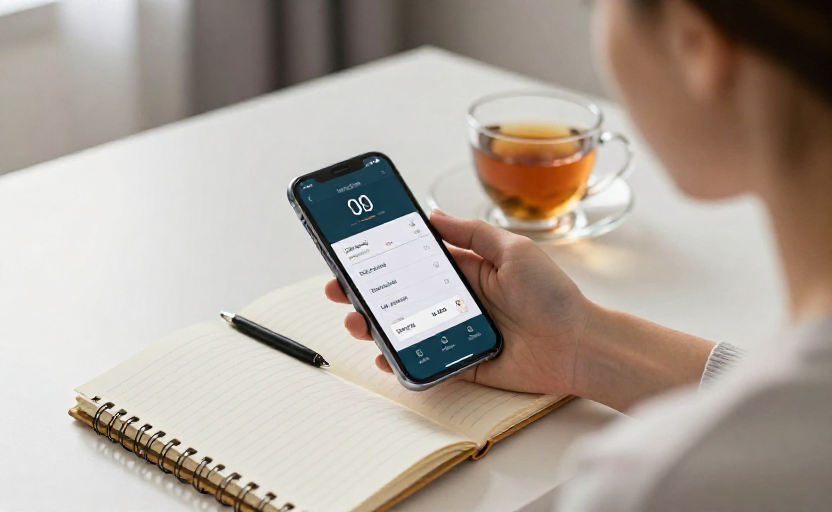
Before you open your work email, take five minutes at your desk (or kitchen table) to look at your accounts. This is not a deep dive. Open your banking app, note your checking balance, and glance at your credit card or loan balances. The goal is simple: awareness without judgment.
When you know your numbers, your brain stops spinning stories. The unknown is what fuels anxiety. A quick scan tells you, “I have $300 until payday, and that is fine.” Doing this before the workday begins means you start your professional tasks grounded in reality, not fear.
2. Schedule a Weekly ‘Worry Window’ for Bill Review
Financial anxiety often comes from scattered attention. You see a due date in an email, remember an autopay, and then spend the rest of the day half-worried. Instead, assign a single fifteen-minute block each week—say, Friday at 3:00 PM—as your official bill review time.
During that window, pay everything due, check for fraud, and update your budget. Outside that window, you give yourself permission to stop thinking about bills. This boundary trains your brain to contain the worry in a defined space, freeing your work hours for actual productivity.
3. Automate Your Savings (and Your ‘Fun’ Money)
Willpower is a limited resource, and you need it for your actual job. Stop relying on yourself to remember to move money to savings every month. Set up automatic transfers on payday: one to your emergency fund, one to retirement, and—this is crucial—one to a guilt-free spending account.
When your savings happen invisibly, you remove the daily friction of decision-making. That friction is where doubt and anxiety breed. You also deserve a small, automated allowance for coffee, lunch out, or a treat. Knowing you have permission to spend something removes the guilt that often accompanies financial tightening.
4. Keep a One-Sentence ‘Financial Win’ Journal
Your brain has a negativity bias. It will remember the overdraft fee from three years ago more vividly than the rent check you paid on time last month. Counteract this by writing one sentence each day about a financial win. It can be as small as “I brought lunch today” or “I checked my credit score and it went up.”
This is not toxic positivity. It is data correction. Over time, this habit rewires your attention toward what you are doing right, which builds the confidence needed to handle larger financial decisions at work without panic.
5. Create a ‘Recurring Expense Audit’ Day
Subscription creep is a silent driver of financial anxiety. You sign up for a free trial, forget to cancel, and six months later you are paying for an app you never open. Once every three months, spend an hour auditing every subscription: streaming services, software tools, gym memberships, and any recurring donation.
Cancel what you do not use. Downgrade what you barely use. This act of taking control signals to your nervous system that you are the manager of your money, not the victim of it. At work, that sense of agency spills over into how you negotiate projects and handle stress.
6. Practice the 24-Hour ‘Non-Essential Purchase’ Pause
Impulse spending at work—those online shopping tabs during a slow afternoon—often comes from a desire to escape boredom or stress. The dopamine hit feels good for a minute, but the credit card bill later feeds anxiety.
Build a simple habit: for any non-essential purchase over twenty dollars, wait 24 hours before buying. Add it to a cart or a wishlist, and walk away. You will often find that the urgency disappears. This pause not only saves money but also trains you to distinguish between a genuine need and a stress response. Over time, you make fewer regretful purchases, which means fewer anxious moments.
7. Set a Single Weekly Career Anchor Goal
Financial anxiety is not always about the money you have now. It is often about the money you worry you will not have later. This is career insecurity. The antidote is intentional progress.
Each week, identify one small, concrete action that moves your career forward: update your LinkedIn profile, send a networking message, learn a new software skill for ten minutes, or ask for a stretch assignment. When you invest in your employability, you feel less trapped by your current paycheck. This habit transforms passive worry into active, manageable momentum.
A final note for the road. These habits are not about depriving yourself or becoming a spreadsheet robot. They are about building a gentle, reliable structure so that money becomes a tool for your life, not a source of constant background noise. Start with one habit this week. Let it settle. Then add another. Your work self—and your peace of mind—will thank you.