That hollow, drained feeling a few days before your period — when your energy flatlines and patience runs thin — is familiar to many of us. While some hormonal fluctuation is normal, what you eat can either soften that crash or make it worse. Nutritionists point to several foods that help steady blood sugar, support neurotransmitter function, and ease inflammation, all of which play a role in how you feel during the luteal phase.
Here are seven foods experts recommend adding to your diet when PMS energy dips and irritability strike.
Dark leafy greens
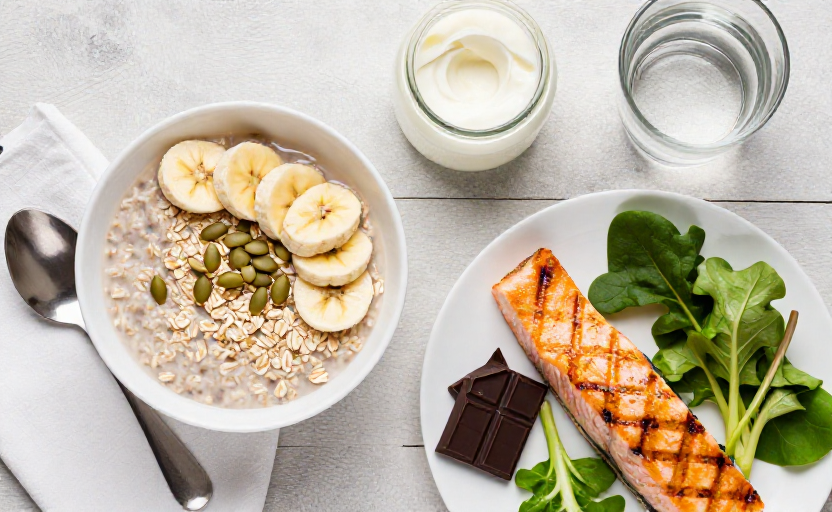
Spinach, kale, and Swiss chard are rich in magnesium, a mineral that often drops before menstruation. Low magnesium levels are linked to fatigue, muscle tension, and mood swings. “Magnesium helps regulate the nervous system and supports serotonin production,” says registered dietitian nutritionist Megan Meyer, PhD. Aim for a generous portion of cooked greens or a large raw salad in the days leading up to your period.
Fatty fish
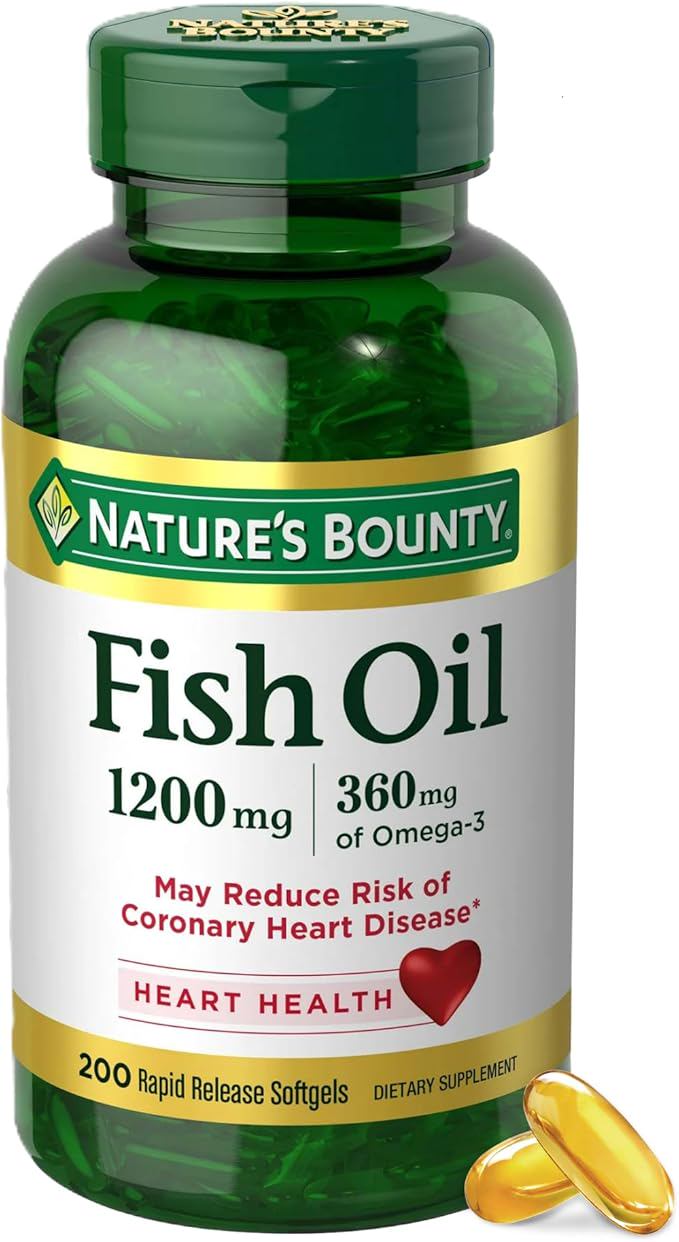
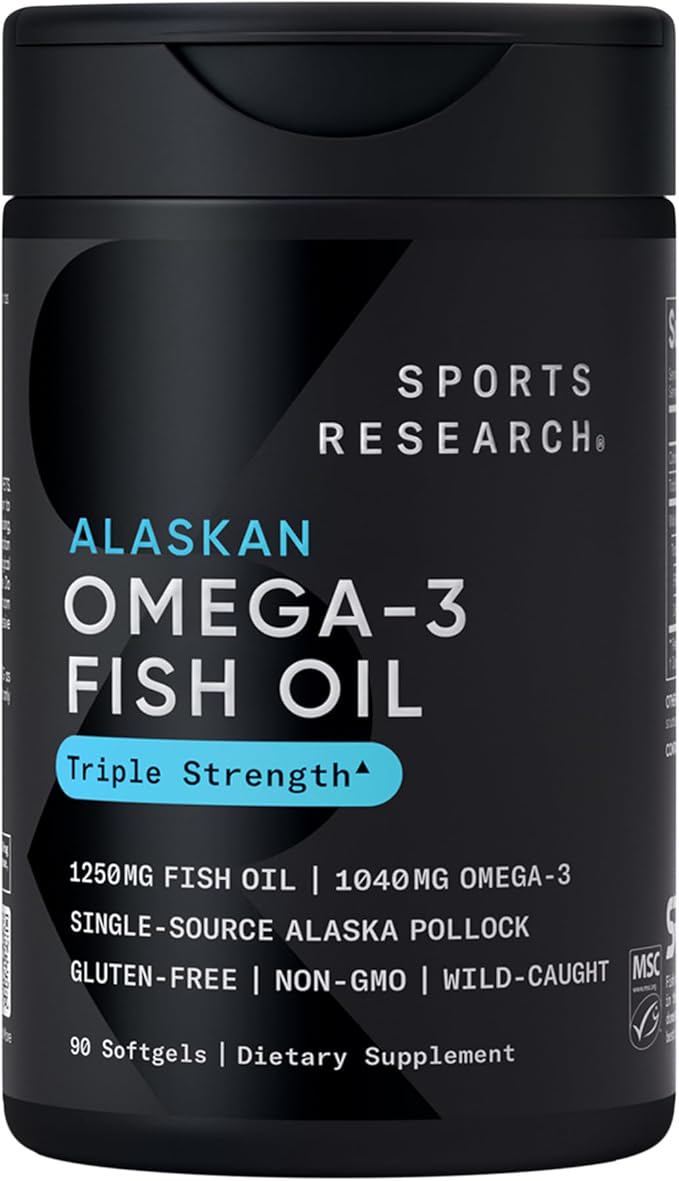
Salmon, mackerel, and sardines deliver omega-3 fatty acids, which have anti-inflammatory effects that may help with prostaglandin-driven pain and the low-grade inflammation that contributes to brain fog and irritability. A 2021 review in Reproductive Health found that omega-3 supplementation significantly reduced PMS symptoms, including mood swings and anxiety. Eating two servings of fatty fish per week is a practical target.
Oats and other complex carbohydrates
Whole oats, quinoa, and brown rice provide steady glucose release, which helps prevent the energy crashes and blood sugar spikes that can worsen irritability. “Complex carbs also boost tryptophan transport into the brain, which supports serotonin synthesis,” explains dietitian nutritionist Kristin Kirkpatrick, RD. A warm bowl of oatmeal with berries or a quinoa bowl at lunch can keep your mood more even throughout the afternoon.
Bananas
Bananas are a convenient source of vitamin B6, potassium, and natural sugars. B6 is directly involved in the production of neurotransmitters like serotonin and dopamine, and some studies show that adequate B6 intake can reduce PMS-related depression and fatigue. “Pairing a banana with a small handful of almonds or a spoonful of peanut butter adds protein and healthy fat to stabilize blood sugar,” recommends dietitian Rachel Fine, RD.
Dark chocolate
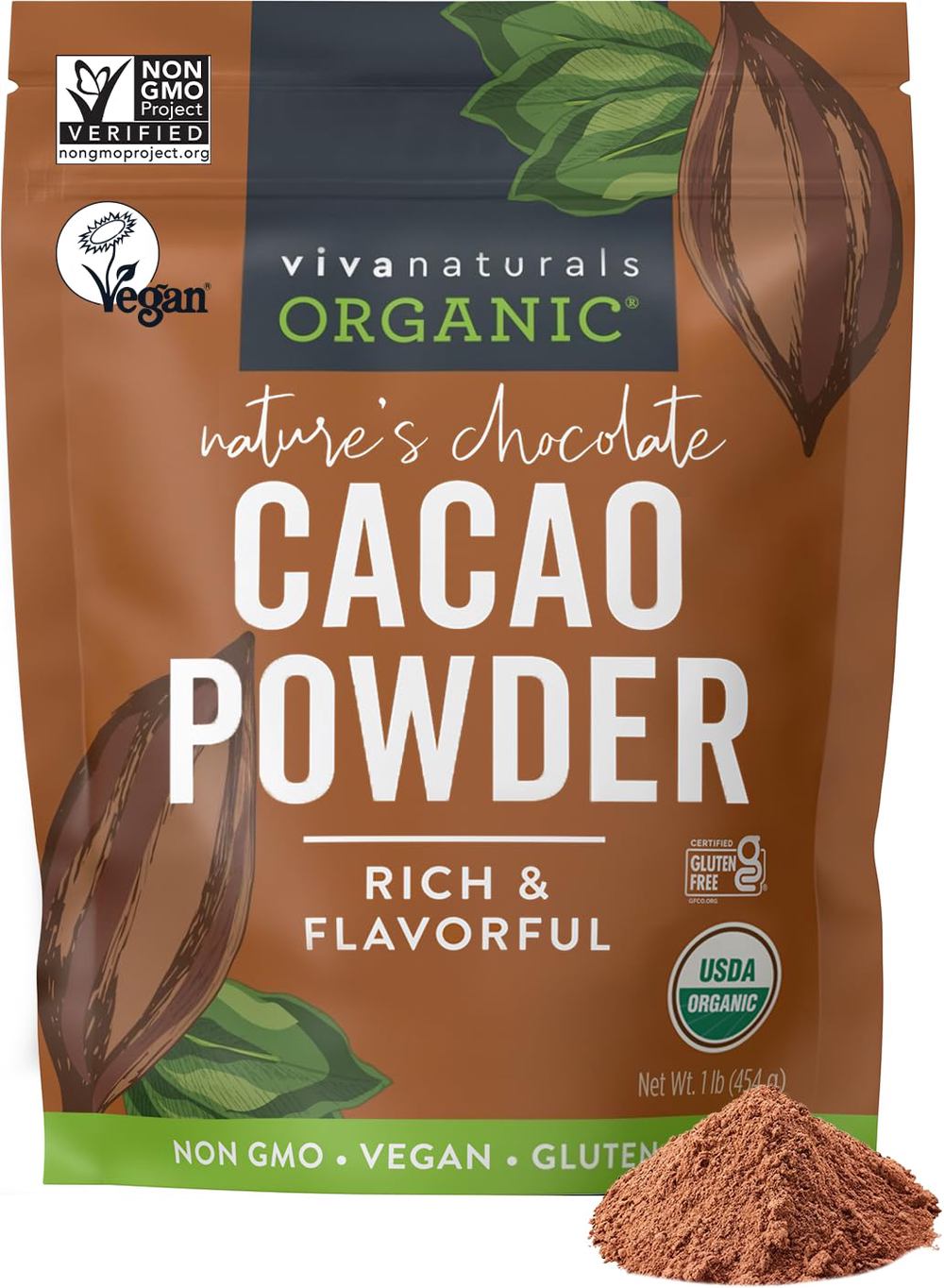
Yes, a little dark chocolate (at least 70% cocoa) can genuinely help. Cocoa is rich in magnesium and flavonoids, which boost blood flow and may lift mood. One 2022 study found that women who ate dark chocolate daily for two weeks reported lower PMS fatigue and depression scores compared to a control group. Stick to a small square or two — about 20–30 grams — to avoid excess sugar and caffeine.
Pumpkin seeds
Pumpkin seeds pack a concentrated dose of zinc, magnesium, and healthy fats. Zinc supports the function of the hypothalamus, the brain region that helps regulate hormones and mood. A 2020 study in BMC Complementary Medicine and Therapies noted that zinc supplementation reduced PMS irritability and physical symptoms. A tablespoon or two sprinkled on oatmeal, yogurt, or a salad is an easy way to add them in.
Fermented foods
Kimchi, yogurt, kefir, and sauerkraut provide probiotics that support the gut-brain axis. Emerging research suggests that gut microbiota influences estrogen metabolism and inflammation, both of which affect PMS severity. A 2023 review in Nutrients concluded that consumption of fermented foods may reduce PMS mood symptoms, although more human trials are needed. A daily serving of plain yogurt or a probiotic-rich drink can be a simple addition.