
You’ve dimmed the lights, put your phone away, and settled into bed, only to find yourself staring at the ceiling hours later. While stress and routine play their part, what you ate in the hours before bed might be the quiet culprit disrupting your sleep maintenance—your ability to stay asleep through the night. The connection between your evening meal and your sleep quality is more direct than many realize.
Certain foods can trigger digestive activity, affect hormone balance, or stimulate your nervous system in ways that make sustained, restful sleep elusive. It’s not about drastic diets, but about mindful swaps in those final hours of the day. Let’s explore the common evening choices that might be interfering with your sleep, and consider gentler alternatives for a more peaceful night.
Why does what I eat at night affect my sleep?
Sleep isn’t just a passive state; it’s an active process governed by your body’s internal clock and a cascade of hormones. Two key players are melatonin, which signals sleepiness, and cortisol, which helps regulate wakefulness. What you consume can influence the production of these and other chemicals.
Digestion itself requires energy and can raise your core body temperature slightly. For deep sleep to initiate, your body temperature needs to drop. A heavy digestive process working overtime can interfere with that natural cooling. Furthermore, some foods contain compounds that directly stimulate the brain or cause physical discomfort, like acid reflux or bloating, which can easily pull you out of a sound sleep.
The goal isn’t to go to bed hungry, but to choose foods that support your body’s wind-down process, not fight against it.
Foods that may disrupt sleep maintenance
If you find yourself waking up repeatedly, consider whether any of these common evening items are on your menu.
Dark chocolate and other caffeinated treats
It’s the classic after-dinner square of dark chocolate or a slice of chocolate dessert. While dark chocolate has celebrated benefits, it also contains caffeine and theobromine, both stimulants. The amount varies, but even a modest portion can be enough to heighten alertness or cause fragmented sleep for those sensitive to its effects. This includes coffee-flavored desserts, certain sodas, or even some decaffeinated coffees that retain small amounts of caffeine.
Spicy and heavily seasoned foods
Spicy dishes containing chili peppers, cayenne, or hot sauces can cause heartburn or indigestion, especially when lying down. They may also elevate your body temperature as your metabolism works to process capsaicin, the compound that gives chili its heat. This combination of physical discomfort and a warmer core temperature can make it difficult to fall into and maintain deep sleep.
High-fat and fried foods
A heavy, greasy meal like fried chicken, cheeseburgers, or rich creamy pastas takes significant time and effort to digest. Your body may still be working hard to process those fats long after you’ve gone to bed, potentially leading to discomfort, bloating, and even acid reflux. This digestive activity can prevent your system from fully settling into the restorative phases of sleep.
High-sugar desserts and snacks
That bowl of ice cream, sugary cereal, or handful of candy can cause a rapid spike and subsequent crash in blood sugar. This rollercoaster may wake you up as your body releases cortisol to stabilize dropping glucose levels. Furthermore, sugar can suppress the activity of orexin neurons, a system that regulates arousal, but the subsequent crash can disrupt the sleep cycle, leading to fragmented rest.
Processed and aged meats
Foods like pepperoni, salami, bacon, and aged cheeses are high in tyramine, an amino acid that can trigger the release of norepinephrine, a brain stimulant. For some people, consuming these in the evening can lead to alertness and may contribute to night wakings or vivid, disruptive dreams.
Excessively salty foods
Very salty snacks, canned soups, or takeout can lead to dehydration, as your body draws water to process the sodium. You might wake up thirsty. More subtly, high sodium intake can disrupt the natural drop in blood pressure that occurs during sleep, which is part of the body’s restorative process.
Alcohol (the misunderstood sedative)
While a nightcap might make you feel drowsy and help you fall asleep faster, it’s notoriously disruptive to sleep maintenance. As alcohol is metabolized, it can cause arousals, reduce time spent in crucial REM and deep sleep stages, and lead to more frequent trips to the bathroom. The latter half of your night’s sleep often becomes lighter and more fragmented.
What to choose instead for a calmer evening
Shifting your evening choices doesn’t mean deprivation. It’s about selecting foods that are easier to digest and contain nutrients that support sleep. Think of it as curating a menu for relaxation.
A light snack, if needed, about an hour or two before bed can be helpful. Consider options that combine a bit of complex carbohydrate with a small amount of protein or healthy fat. This combination can help stabilize blood sugar through the night.
- A small bowl of oatmeal made with milk (which contains tryptophan).
- A banana, which provides potassium and magnesium, and contains natural melatonin.
- A handful of almonds or walnuts, offering magnesium and healthy fats.
- A slice of whole-grain toast with a thin layer of almond butter.
- A kiwi fruit, which research has linked to improved sleep onset and duration.
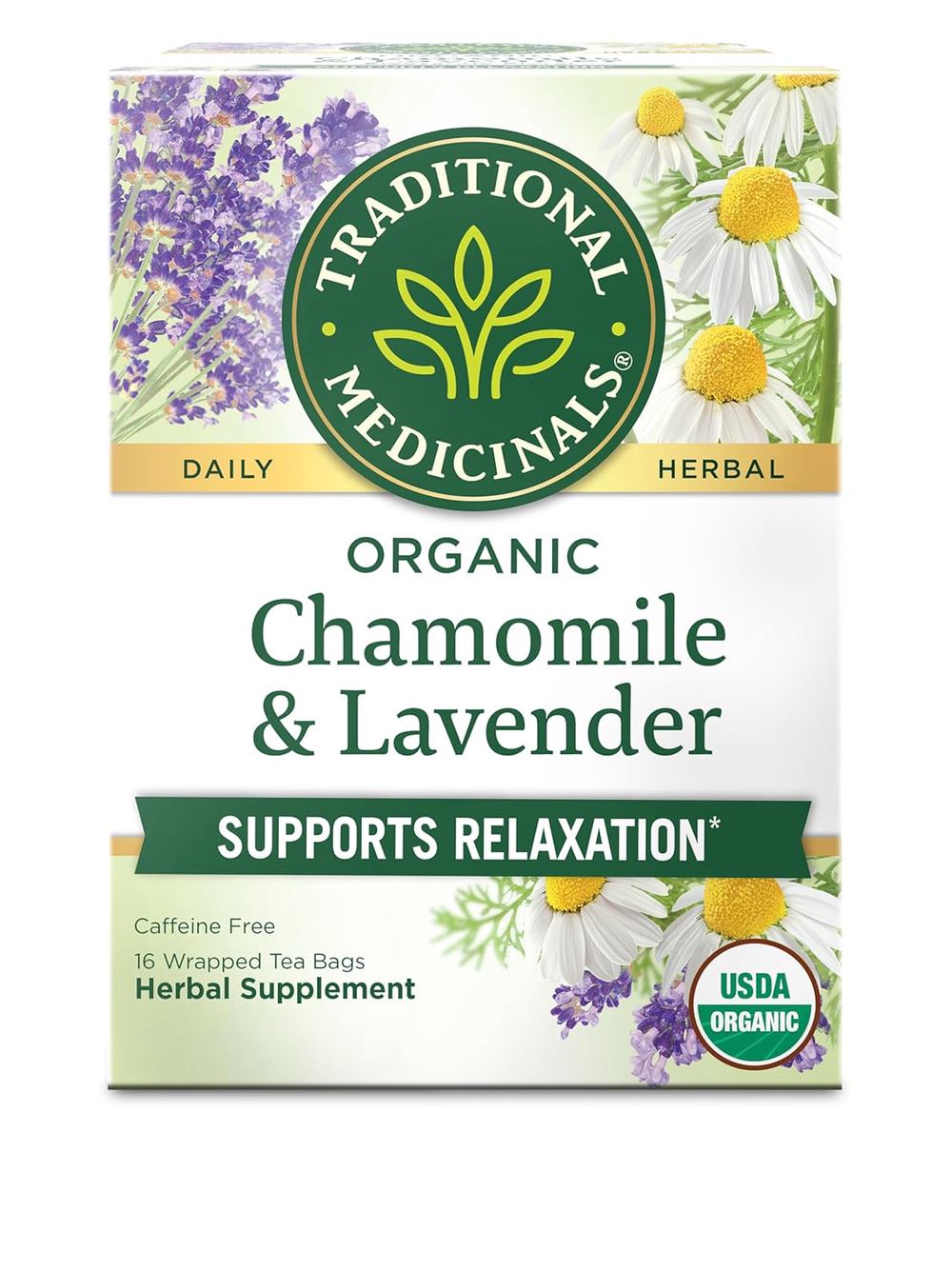
- Herbal teas like chamomile or passionflower, which are naturally caffeine-free.
Pay attention to your own body’s signals. Keep a simple log of what you eat after dinner and how you sleep. You might discover a personal trigger that isn’t on a standard list. The path to better sleep maintenance is often paved with gentle, consistent adjustments, giving your body the quiet it needs to rest through the night.