
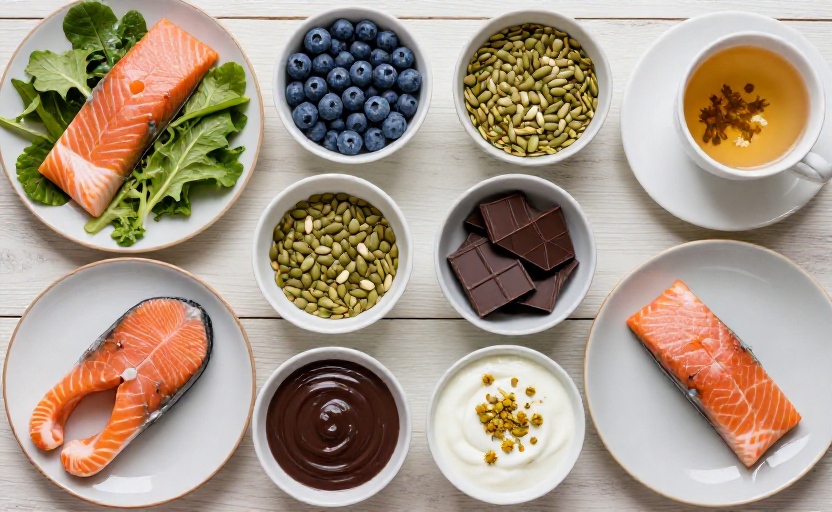
When anxiety feels like a constant hum in the background of your day, it’s natural to look for ways to turn down the volume. While professional guidance is essential for managing anxiety disorders, the foods you choose can be a meaningful part of a supportive, holistic approach. Think of it as nourishing your nervous system—providing the specific building blocks it needs to maintain balance and resilience.
Certain foods contain vitamins, minerals, and compounds that directly influence brain chemistry, help regulate stress hormones, and calm inflammation. By making intentional choices, you can use your plate as a tool for greater calm. Here are seven foods that research suggests can help reduce anxiety symptoms.
Fatty Fish: Omega-3s for Brain Balance
Fish like salmon, mackerel, sardines, and trout are rich in omega-3 fatty acids, specifically EPA and DHA. These fats are fundamental components of brain cell membranes and play a crucial role in how brain cells communicate. Studies have linked higher omega-3 intake to lower levels of anxiety, likely due to their anti-inflammatory effects and their ability to support the production of mood-regulating neurotransmitters like serotonin and dopamine.
Aim to include a serving of fatty fish in your meals two to three times a week.
Dark Leafy Greens: Magnesium for Muscle and Mind
Magnesium is a mineral that acts as a natural relaxant for both the body and mind. It helps regulate the nervous system and can blunt the body’s stress response. When you’re anxious, magnesium levels can become depleted. Dark leafy greens like spinach, Swiss chard, and kale are excellent sources. They’re also packed with folate, a B-vitamin involved in producing dopamine and serotonin.
Fermented Foods: Cultivating Calm from the Gut
The connection between your gut and brain, known as the gut-brain axis, is a powerful pathway for influencing mood. Fermented foods like yogurt with live cultures, kefir, kimchi, sauerkraut, and kombucha are rich in probiotics—beneficial bacteria that support a healthy gut microbiome. A balanced gut environment is linked to reduced inflammation and improved signaling along the vagus nerve to the brain, which may help lower anxiety.
Blueberries: Antioxidant Powerhouses
Anxiety is associated with oxidative stress, an imbalance between free radicals and antioxidants in the body. Blueberries are loaded with antioxidants, particularly flavonoids like anthocyanins, which give them their deep color. Research indicates these compounds can reduce inflammation in the brain, protect neural cells, and may improve the brain’s ability to adapt to stress, a process known as neuroplasticity.
Chamomile Tea: A Soothing Ritual
Sometimes, the act of slowing down to sip a warm cup of tea is as beneficial as the tea itself. Chamomile has been used for centuries as a mild tranquilizer and sleep aid. Compounds within chamomile, like apigenin, bind to specific receptors in the brain that may promote relaxation and reduce anxiety. It’s a gentle, caffeine-free option for creating a moment of pause.
Pumpkin Seeds: A Zinc and Tryptophan Boost
These small but mighty seeds are a concentrated source of zinc, a mineral vital for nerve signaling and brain function, with deficiencies linked to heightened anxiety. They’re also rich in magnesium and the amino acid tryptophan. Tryptophan is a precursor to serotonin, the neurotransmitter often called the body’s natural “feel-good” chemical. A small handful can be a smart snack.
Dark Chocolate: A Mindful Treat
Choosing dark chocolate with a high cocoa content (70% or more) can be more than just an indulgence. Cocoa is rich in flavonols, antioxidants that improve blood flow to the brain and may promote a sense of calm. It also contains compounds that can stimulate the production of endorphins. The key is moderation—a square or two is enough to reap the potential benefits without excess sugar.
Remember, no single food is a magic cure. The greatest benefit comes from consistently incorporating a variety of these nutrient-dense options into a balanced diet. Pairing this approach with other supportive habits—like regular movement, quality sleep, and mindfulness—creates a strong foundation for managing anxiety. If your symptoms are persistent or severe, consulting a healthcare professional or a registered dietitian is a critical step toward personalized care.