
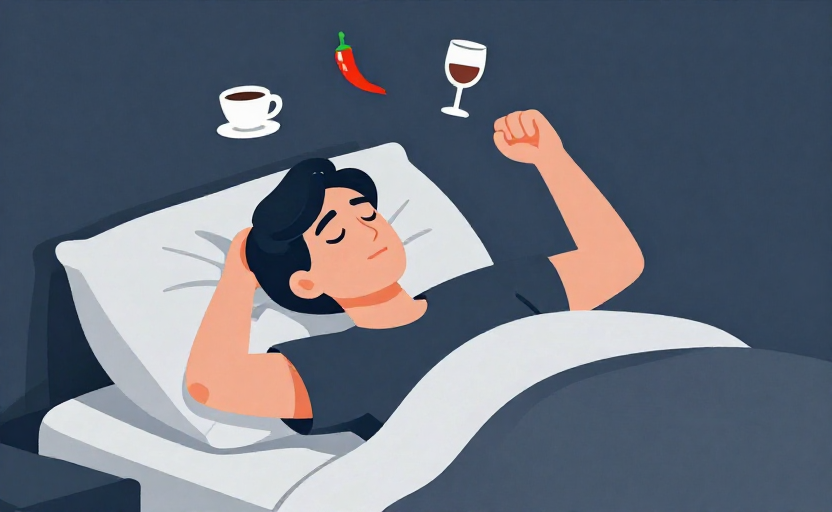
You’ve dimmed the lights, put your phone away, and settled into a comfortable routine, yet sleep remains elusive. Sometimes, the culprit isn’t your evening scroll or a racing mind—it’s what you consumed hours earlier. Nutrition and sleep are deeply intertwined, and certain foods and drinks can quietly sabotage your rest by disrupting your body’s natural wind-down processes.
Understanding these connections isn’t about creating food fear or strict rules. It’s about cultivating awareness. By noticing how different items affect you, you can make more informed choices that support, rather than hinder, a peaceful night.
1. Caffeine (Beyond the Obvious Coffee)
We all know coffee in the evening is a bad idea for sleep. But caffeine’s reach extends further than you might think. It’s a central nervous system stimulant that blocks adenosine, a brain chemical that promotes sleepiness. Its effects can linger for six to eight hours or more in some individuals.
Beyond coffee, be mindful of hidden sources: black and green teas, many sodas (especially colas), dark chocolate, and even some over-the-counter pain relievers and “decaffeinated” coffees, which still contain small amounts. A midafternoon latte or a piece of chocolate dessert after dinner could be the unseen thread keeping your mind wired at bedtime.
2. Alcohol
Alcohol is a deceptive sleep disruptor. While it may help you fall asleep faster due to its sedative effect, it severely fragments sleep architecture. As your body metabolizes the alcohol, it causes a rebound arousal effect, often leading to frequent awakenings in the second half of the night and a reduction in crucial REM (rapid eye movement) sleep.
This results in a night that feels less restorative, even if you were unconscious for several hours. You might wake up feeling unrefreshed and foggy—a state sometimes called “sleep drunkenness.” The closer to bedtime you consume alcohol, the more pronounced this disruption tends to be.
3. Heavy, Rich, and Fatty Foods
A large, greasy meal right before bed forces your digestive system into overdrive when it should be slowing down. Lying down can exacerbate acid reflux or indigestion, causing discomfort that makes it hard to fall or stay asleep. High-fat foods also take longer to digest.
This doesn’t mean you must avoid fats entirely at dinner. The issue is one of scale and timing. A light, balanced meal a few hours before bed is gentler on your system than a heavy feast of fried foods, creamy sauces, or oversized portions that leave you feeling overly full.
4. Spicy Foods
Spicy dishes containing capsaicin (found in chili peppers) can cause trouble in two ways. First, they can raise your core body temperature. For sleep to initiate smoothly, your body needs to drop its core temperature slightly; eating spicy foods can work against this natural cooling process.
Second, spices are a common trigger for heartburn or acid reflux, especially when lying down. This physical discomfort can easily keep you awake or wake you up later. If you’re sensitive, it’s wise to enjoy spicy cuisine earlier in the day.
5. High-Sugar Foods and Refined Carbs
That sugary snack or refined carbohydrate (like white bread, pastries, or sweet cereals) can cause a rapid spike and subsequent crash in blood sugar levels. This rollercoaster may wake you up during the night as your body releases stress hormones like cortisol to stabilize blood sugar.
Furthermore, research suggests that diets high in sugar are associated with lighter, less restorative sleep and more frequent awakenings. The initial energy boost is fleeting, often leaving you restless at night and tired the next day.
6. Tyramine-Rich Foods
Tyramine is an amino acid that can stimulate the release of norepinephrine, a brain stimulant that increases alertness. For some people, consuming foods high in tyramine in the evening can make it harder to quiet the mind.
Foods with notable tyramine content include aged cheeses (like cheddar, parmesan, or blue cheese), cured meats (like pepperoni, salami, and bacon), soy sauce, and some fermented products. This doesn’t mean you must avoid them, but pairing a large serving of aged cheese with wine close to bedtime could be a double-whammy for sensitive sleepers.
7. Excessive Liquids (Of Any Kind)
This one is about timing and volume. Drinking a large amount of water, herbal tea, or any fluid right before bed almost guarantees you’ll be woken up by a full bladder in the middle of the night (nocturia). This fragments your sleep cycle and can make it difficult to fall back asleep.
The goal is to stay well-hydrated throughout the day and then taper off fluid intake in the hour or two before bed. This allows your body to process the liquids before you retire, minimizing sleep interruptions.
Building a Sleep-Supportive Evening Routine
Knowledge is power, but it’s not about perfection. The goal is observation, not elimination. You might find you can enjoy an after-dinner espresso with no effect, while a single square of dark chocolate keeps you alert. Pay attention to your own body’s signals.
If you’re looking to adjust your habits, consider creating a “sleep buffer zone” for the 2-3 hours before bed. This is a time to wind down, and part of that can include choosing lighter, easily digestible snacks if you’re hungry—think a small bowl of oatmeal, a banana, a handful of almonds, or yogurt. These contain nutrients like magnesium, tryptophan, or complex carbs that may actually support sleep for some people.
Ultimately, sleep is a pillar of wellness influenced by countless factors, diet being one significant piece. By bringing gentle awareness to your evening choices, you can remove one common barrier to the deep, restorative rest your body needs.