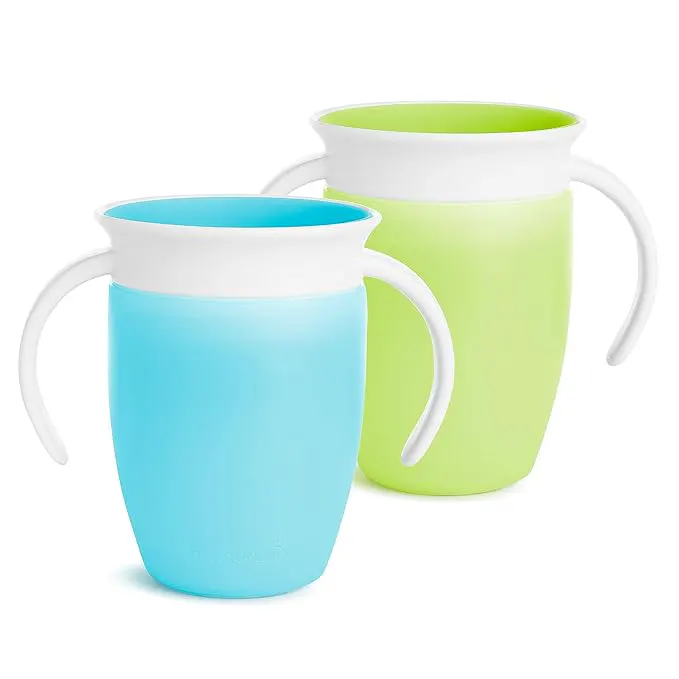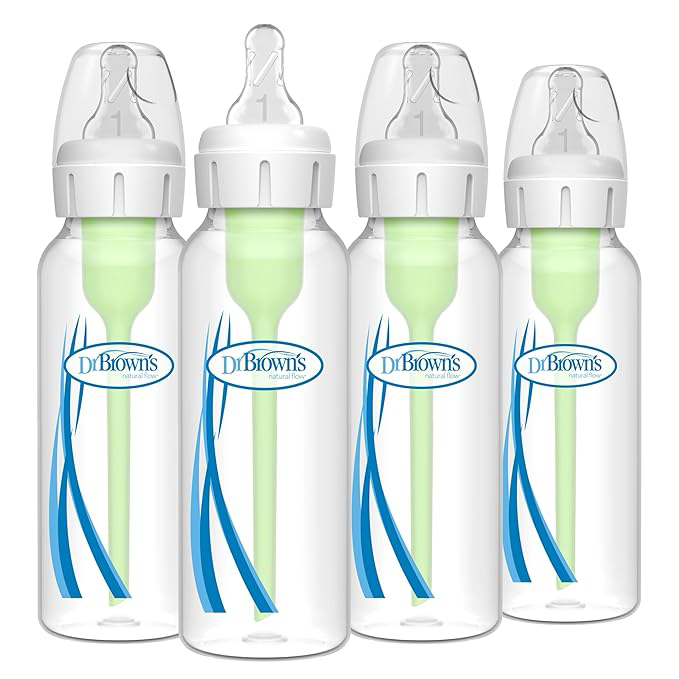

Navigating your baby’s first year is a journey of discovery, and feeding is at the heart of it. While you’re learning their cues and rhythms, knowing what not to offer is just as important as knowing what to give. An infant’s digestive system and kidneys are still developing, and their nutritional needs are uniquely met by breast milk or formula. Introducing the wrong liquids can pose unnecessary risks, from nutrient displacement to serious health complications.
This guide focuses on the drinks and liquids that are best kept off the menu until after that first birthday. It’s not about fear, but about providing clear, calm information so you can feel confident in every sip you offer.
Why can’t babies just drink what we drink?
An infant’s body is not simply a smaller version of an adult’s. Their organs are still maturing. Their kidneys, for example, aren’t yet efficient at processing high loads of minerals or filtering out additives. Their tiny stomachs fill quickly, so every ounce of liquid needs to count nutritionally. Offering drinks that lack essential nutrients or contain harmful elements can interfere with growth, hydration, and development. The goal is to protect their delicate systems while ensuring all their nutritional needs are met.
Liquids to avoid for infants under one
Here are the key beverages to postpone until your child is older.
1. Cow’s milk (as a main drink)
While fine in small amounts in cooked foods after 6 months, cow’s milk should not replace breast milk or formula as a primary drink before age one. It contains high levels of protein and minerals that can stress immature kidneys, and it lacks the proper balance of iron, vitamin C, and other nutrients essential for infants. It can also irritate the lining of a baby’s stomach and intestines, potentially leading to microscopic blood loss in stool and increasing the risk of iron-deficiency anemia.
Stick to breast milk or formula as the nutritional cornerstone until the first birthday.
2. Fruit juice
Even 100% fruit juice offers little nutritional benefit for babies and comes with significant downsides. It’s high in sugar and acids, which can contribute to tooth decay and digestive upset. Juice fills up a small stomach without providing the beneficial fiber or fat found in whole fruit or formula. The American Academy of Pediatrics advises against juice entirely for babies under 1 year. If you do introduce it after age one, it should be severely limited.
3. Plant-based milks (almond, oat, rice, etc.)
With the exception of fortified infant formula, most plant-based milks are nutritionally inadequate for infants. They are often low in protein, fat, calories, and key vitamins like B12 and D. Relying on them can lead to malnutrition and poor growth. Soy formula is specially formulated to be nutritionally complete, but other plant milks are not suitable substitutes for breast milk or infant formula.
4. Sugary drinks and sodas
This includes soda, sweet tea, lemonade, sports drinks, and flavored milks. They are loaded with sugar or artificial sweeteners, contribute to tooth decay, and can create a lifelong preference for overly sweet tastes. They provide “empty calories” that displace the nutrient-rich milk a baby needs for brain and body development.
5. Caffeinated beverages
Coffee, tea, energy drinks, and some sodas contain caffeine, a stimulant that has no place in an infant’s diet. A baby’s system cannot process caffeine efficiently, which can lead to irritability, jitteriness, increased heart rate, and sleep disturbances.
6. Unmodified goat’s or sheep’s milk
Like cow’s milk, these are not suitable as a main drink before one year. They share similar nutritional imbalances and can pose the same risks to kidney function and iron levels. Specialty infant formulas based on goat’s milk do exist and are formulated to be complete; plain animal milk is not.
7. Water (in large amounts before 6 months)
This one requires nuance. Babies under 6 months who are fed on demand with breast milk or formula generally do not need extra water—these liquids provide perfect hydration. Offering too much water can fill their tiny stomachs, reducing their intake of vital milk and potentially leading to a dangerous condition called water intoxication, which dilutes sodium in the blood. After 6 months, small sips of water from a cup with meals are fine and encouraged to practice cup-drinking skills.
What should my baby drink, then?
For the first 6 months, exclusive breast milk or infant formula is all your baby needs. After 6 months, as you begin introducing solid foods, breast milk or formula should remain the primary drink. You can offer small sips of water with meals. This simple, focused approach ensures your baby gets the perfect balance of hydration, calories, fat, vitamins, and minerals tailored to their rapid growth.
When in doubt, or if you have specific concerns about allergies, reflux, or your baby’s growth, your pediatrician is your best resource. They can provide guidance tailored to your child’s individual health journey.