That feeling of morning anxiety—the racing heart, the knot in your stomach, the sense of dread before the day even begins—can be a heavy way to start. While it’s a complex experience with many roots, what you choose to eat for breakfast can play a surprisingly supportive role. It’s not about a magical cure, but about giving your body and brain the steady, calming fuel they need to face the day with more resilience.
Dietitians emphasize that certain foods contain key nutrients that help regulate neurotransmitters, balance blood sugar, and reduce inflammation, all of which can influence anxiety levels. Here are seven breakfast foods they often recommend for building a more grounded morning.
Why does breakfast matter for anxiety?
After a night of fasting, your body wakes up needing fuel. Skipping breakfast or choosing the wrong kind can send your blood sugar on a rollercoaster—a sharp spike followed by a crash. This crash often manifests as jitteriness, irritability, and heightened anxiety. A balanced breakfast aims to provide a slow, steady release of energy, preventing those destabilizing dips and supporting a more stable mood.
Beyond blood sugar, certain nutrients directly support the nervous system. Foods rich in magnesium, B vitamins, omega-3 fatty acids, and antioxidants help your body manage stress hormones and produce calming neurotransmitters like serotonin.
Think of your breakfast as laying a foundation of stability for your nervous system, not just filling your stomach.
1. Oatmeal
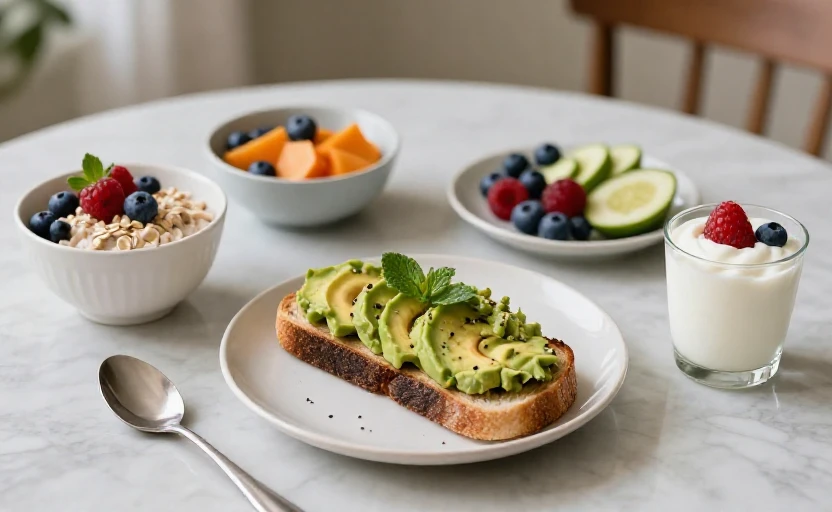
A bowl of oatmeal is a classic for good reason. It’s a complex carbohydrate, meaning it’s digested slowly, providing that steady energy release that helps avoid blood sugar crashes. But its benefits go deeper. Oats are a good source of magnesium, a mineral often called “nature’s relaxant” for its role in regulating the nervous system and easing muscle tension.
For an extra anxiety-busting boost, top your oats with a sprinkle of pumpkin seeds (packed with magnesium and zinc) and a handful of berries for antioxidants.
2. Eggs
Eggs are a powerhouse for mood support. They’re one of the best food sources of choline, a nutrient crucial for brain health and the production of acetylcholine, a neurotransmitter involved in regulating mood and stress response. They’re also rich in B vitamins, particularly B12 and riboflavin, which are essential for energy production and proper neurological function.
Starting your day with eggs—scrambled, poached, or in an omelet with vegetables—provides high-quality protein to keep you full and focused, and a solid dose of these brain-supportive nutrients.
3. Greek yogurt with berries
This combination tackles anxiety from multiple angles. Greek yogurt is rich in protein and probiotics. The protein promotes satiety and stable energy, while the probiotics support gut health. There’s a well-established connection between gut health and mental well-being, often called the gut-brain axis. A healthy gut microbiome can positively influence mood and stress resilience.
Berries, especially dark ones like blueberries and blackberries, are loaded with antioxidants called flavonoids. Research suggests these compounds may help reduce inflammation in the brain and protect against oxidative stress, both of which are linked to anxiety.
4. Avocado on whole-grain toast
Avocado offers a creamy, satisfying source of healthy monounsaturated fats and a notable amount of B vitamins, potassium, and fiber. The healthy fats are vital for brain cell structure and function, while the fiber aids in slow digestion. Pairing it with fiber-rich whole-grain toast creates a balanced meal that prevents rapid blood sugar spikes.
The potassium in avocado also helps regulate blood pressure, which can be elevated during periods of stress and anxiety, promoting an overall sense of physical calm.
5. Chia seed pudding
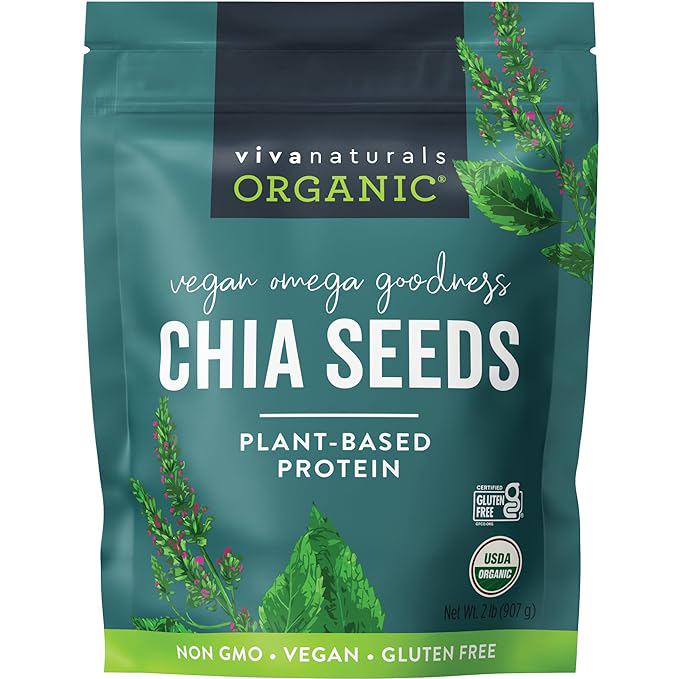
Chia seeds are a tiny but mighty source of omega-3 fatty acids, specifically alpha-linolenic acid (ALA). Omega-3s have potent anti-inflammatory properties and are critical for brain health. Some studies have linked higher omega-3 intake with reduced anxiety symptoms.
Soaking chia seeds overnight in milk (dairy or plant-based) creates a pudding-like texture. It’s a make-ahead option that provides protein, fiber, and these beneficial fats for a quick, calming morning meal. Add a dash of cinnamon, which some research suggests may also have anti-anxiety properties.
6. A simple smoothie
For mornings when sitting down feels impossible, a thoughtfully crafted smoothie can deliver key nutrients quickly. A good base includes spinach or kale (for magnesium and folate), a banana (for potassium and natural sweetness), a tablespoon of nut butter or flaxseed (for healthy fats and protein), and plain Greek yogurt or a plant-based protein powder.
This blend delivers a spectrum of anxiety-supportive nutrients—magnesium, B vitamins, protein, healthy fats—in one portable glass, helping you avoid the anxiety-triggering mistake of skipping breakfast altogether.
7. Nuts and seeds
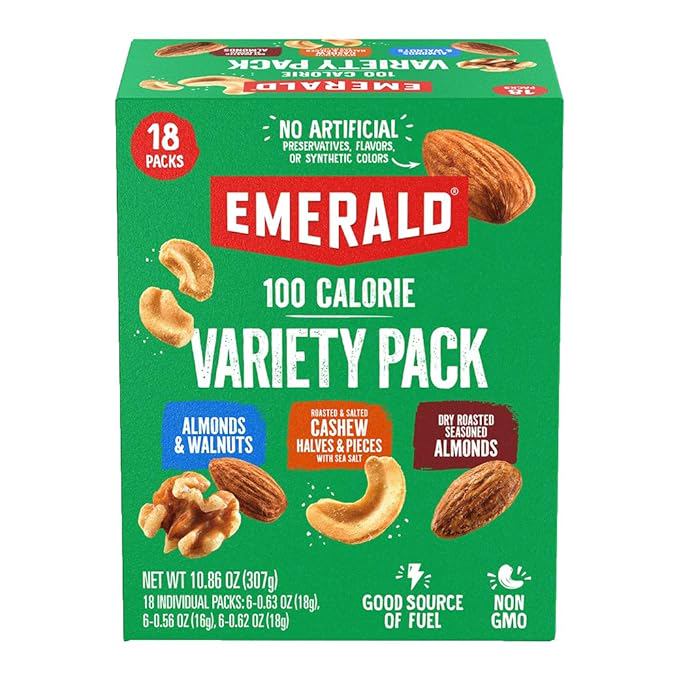
While not a full meal on their own, a small handful of nuts and seeds is an excellent addition to any breakfast or a good stand-in on very rushed mornings. Almonds and cashews are excellent sources of magnesium and zinc. Walnuts are one of the best plant-based sources of omega-3s. Pumpkin seeds are rich in both magnesium and zinc, a mineral deficiency of which has been associated with increased anxiety.
Sprinkle them over yogurt or oatmeal, or keep a small container of mixed nuts by the door for a stabilizing snack if you’re running late.
Foods and habits to approach with care
Just as some foods can help, others might subtly undermine your morning calm. It’s not about strict rules, but about awareness.
- Heavy refined carbs and sugar: Pastries, sugary cereals, or white toast with jam can cause a rapid spike and subsequent crash in blood sugar, potentially amplifying feelings of jitteriness and anxiety.
- Excessive caffeine on an empty stomach: While a cup of coffee is fine for many, drinking large amounts, especially before eating, can stimulate the nervous system and mimic or worsen anxiety symptoms like a racing heart.
- Skipping breakfast: This guarantees a blood sugar low, which often presents as nervous energy, irritability, and difficulty concentrating—feelings that can easily blend into anxiety.
The goal is to build a plate that works for you. Notice how you feel after different meals. A breakfast that leaves you feeling steady, satisfied, and clear-headed is one that’s also supporting your mental well-being.