You already know that teenagers are famous for sleeping in. But when a late bedtime and a groggy morning become a chronic pattern, it can cross the line from normal adolescence into a real risk for their mental well-being. As a parent, it can be hard to tell the difference between typical teen behavior and a sleep problem that needs attention. Here are six warning signs that your teen's sleep schedule may be harming their mental health — and what you can do about it.
1. Irritability and mood swings that feel extreme
Every teen gets grumpy, but persistent irritability that has no obvious trigger can be a red flag. When sleep is short, the part of the brain that regulates emotions (the prefrontal cortex) doesn't get enough rest. This can make small frustrations feel overwhelming. If your teen snaps at family members over minor things or seems to be in a low mood most days, it's worth checking whether sleep is the root cause.
2. Trouble concentrating at school or during homework
Sleep is when the brain consolidates memories and clears out metabolic waste. A teen who is getting fewer than the recommended 8–10 hours may have trouble paying attention in class, remembering what they studied, or completing assignments. You might notice grades slipping or hear complaints of "brain fog." This isn't laziness — it's a sleep-deprived brain struggling to keep up.
3. Withdrawing from friends and activities
Exhaustion can make socializing feel like a chore. If your teen is declining invitations, skipping extracurriculars, or spending more time alone in their room, lack of sleep could be a factor. Sleep deprivation mimics symptoms of depression, including a loss of interest in things they used to enjoy. It's a vicious cycle: poor sleep worsens mood, and low mood makes it harder to get good rest.
4. Increased anxiety or panic symptoms
Missing sleep raises cortisol (the stress hormone) and makes the brain's fear center (the amygdala) more reactive. A teen who is sleeping poorly may worry excessively about school, friendships, or the future. You might notice more nervous habits, trouble relaxing, or even panic attacks. If your teen is constantly on edge, ask about their sleep before assuming it's purely emotional.
5. Relying on caffeine or energy drinks to get through the day
When teens turn to coffee, soda, or energy drinks to stay awake, it's a clear sign their natural sleep isn't doing the job. Caffeine can further disrupt their sleep cycle, creating a cycle where they need more stimulants to function. If you're finding empty cans or seeing jitteriness and late-night screen time, the core issue is almost certainly an unsustainable sleep schedule.
6. Falling asleep during the day
It's normal for a teen to be drowsy after a big meal or during a long car ride. But nodding off in class, during homework, or while watching TV can signal a real sleep deficit. A teen who can't stay awake in low-stimulation settings is likely running a chronic sleep debt — and that debt has a direct impact on emotional stability and mental health.
What you can do about it
If any of these signs sound familiar, start with a calm conversation. Avoid lecturing — instead, express concern: "I've noticed you seem really tired lately, and I'm worried about how it's affecting you." Ask open-ended questions about their schedule, screen use, and stress levels.
Simple steps that help:
- Set a consistent bedtime and wake time — even on weekends. A shifting schedule is one of the biggest disruptors to teenage sleep.
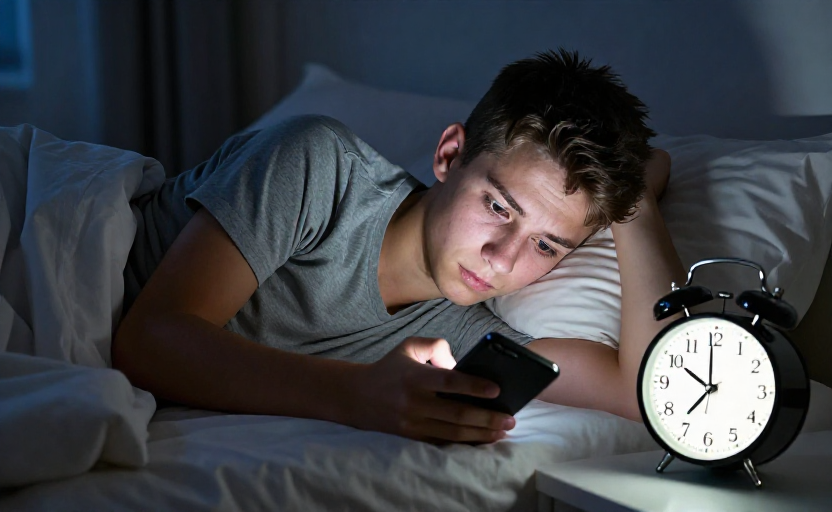
- Reduce screen time in the hour before bed. Blue light suppresses melatonin, the hormone that signals the brain to sleep.
- Encourage physical activity during the day — it helps with both sleep quality and mood.
- Be honest about caffeine: even a small soda after 4 PM can affect sleep.
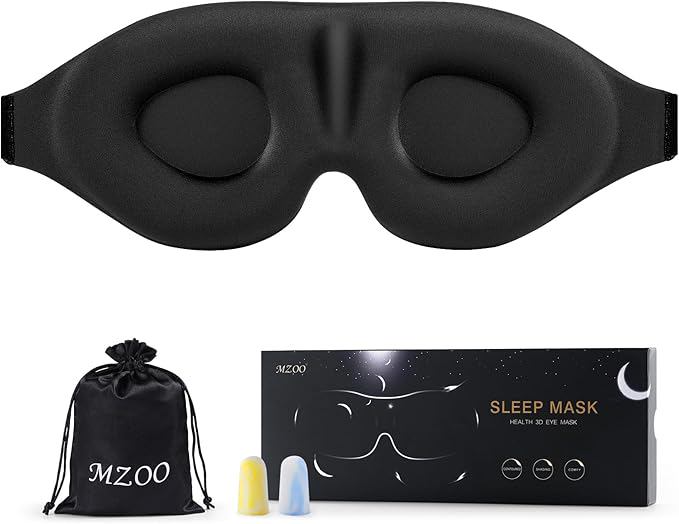
- Make the bedroom a sleep-friendly environment: dark, cool, and quiet.
Sleep is not a luxury for teens — it is a biological necessity for emotional regulation, learning, and mental resilience. Protecting their rest is one of the most powerful things a parent can do for their mental health.
If the signs persist despite changes to their schedule, consider reaching out to a pediatrician or a mental health professional. Sleep disorders, anxiety, and depression can look very similar — and sometimes they coexist. A professional can help figure out what's really going on.
Remember: you don't need to have all the answers. Simply paying attention and being willing to talk about sleep sends a powerful message to your teen — that their health matters more than their schedule.