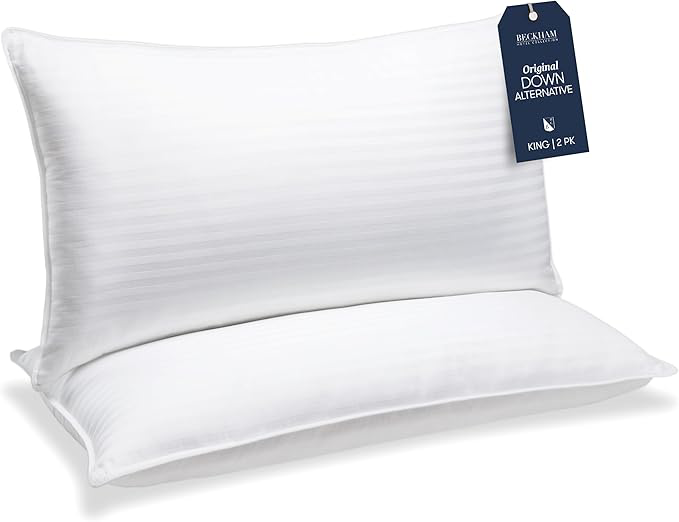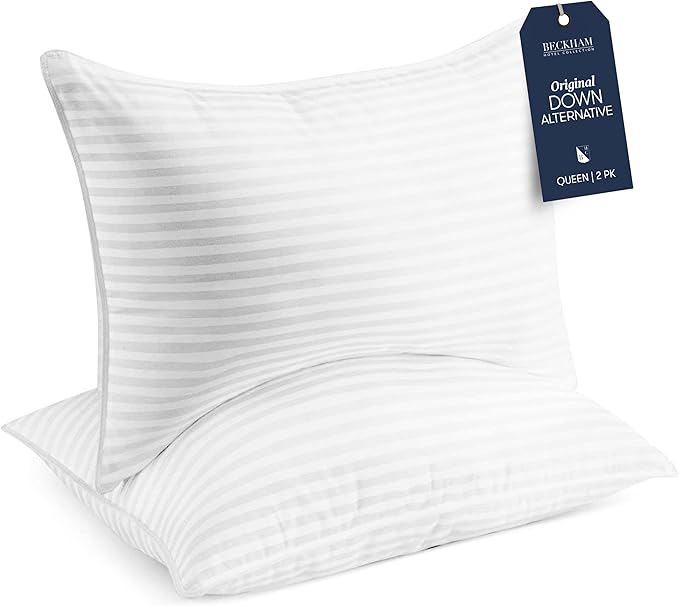

You spend roughly a third of your life in bed, so your mattress and pillows are arguably the most important pieces of furniture you own. But unlike a worn-out pair of jeans, the decline of your sleep gear is often subtle, creeping up on you over years of nightly use. Most people don't realize their bedding has passed its prime until they wake up with a stiff neck or an aching back—and by then, the damage to sleep quality has already been done.
Knowing when to replace your mattress and pillows isn't just about comfort; it's about supporting spinal alignment and allowing your body to fully recover each night. While manufacturers often suggest a general timeline (typically 7-10 years for a mattress, 1-2 years for pillows), your personal experience is the most reliable guide. Here are six clear warning signs that your sleep surface is no longer working in your favor.
1. You Wake Up with Aches and Pains That Weren't There Before
If you consistently wake up with lower back pain, shoulder stiffness, or a sore neck, your mattress and pillows are likely failing to provide adequate support. A mattress should maintain the natural curve of your spine, keeping your shoulders and hips aligned. When the support layer degrades, your body sinks into awkward positions, forcing muscles to work overnight just to hold your posture. This often shows up as morning stiffness that eases after you get up and move around—a classic red flag that your bed is no longer doing its job.
2. Noticeable Sagging, Lumps, or Visible Wear
Stand at the foot of your bed and look across the surface. Do you see a visible dip or valley where you sleep? Even a sag of one to two inches can compromise spinal alignment. Run your hand over the mattress surface—feel for permanent indentations, lumps, or uneven spots. For pillows, fold them in half. If they don't spring back open on their own, the internal fill has lost its resilience. Memory foam that takes longer than 30 seconds to rebound after you press into it is also a sign the material has degraded.
A simple test: Lay a straight board or a long level across the mattress surface. If you can see a gap of more than one inch between the board and the mattress, the support core is compromised.
3. Your Allergy Symptoms Get Worse at Night
Over time, mattresses and pillows become a reservoir for dust mites, dead skin cells, mold spores, and pet dander. If you find yourself congested, sneezing, or waking up with itchy eyes and a stuffy nose—especially if these symptoms improve when you're away from home—your bedding may be the culprit. Most mattresses weigh enough that they can't be thoroughly cleaned, and even with a quality mattress protector, microscopic allergens accumulate in the inner layers over several years. Pillows are particularly problematic because they're in direct contact with your face and can harbor significant allergen loads.
4. You're Noticing Excessive Squeaks, Creaks, or Motion Transfer
A mattress foundation or box spring that groans every time you roll over indicates structural fatigue. If you can feel your partner's every movement during the night—getting out of bed, turning over, even breathing—the motion isolation properties of your mattress have diminished. This is especially common with older innerspring models where the coils lose tension. While noise alone doesn't necessarily mean the mattress is unsupportive, it often accompanies the breakdown of internal components that do affect your sleep quality.
5. Your Pillow No Longer Keeps Your Head and Neck in a Neutral Position
Pillows have a much shorter lifespan than mattresses because they take a concentrated load night after night. A good pillow should keep your head and neck aligned with your spine, with the gap between your ear and shoulder feeling equally supported whether you sleep on your back or side. When a pillow becomes too flat or too lumpy, your neck tilts at an unnatural angle. Side sleepers may find themselves stacking two pillows to compensate, while back sleepers may wake up with a forward-head posture. If your pillow no longer maintains its shape during the night, it's telling you something.
6. You Honestly Can't Remember the Last Time You Replaced Them
Here's a straightforward reality check: if you have to pause and really think about when you bought your current mattress and pillows, it's probably time to replace them. The average mattress lasts about eight years with regular use, but many people push it to ten or twelve because the decline is gradual. Pillows should be replaced every one to two years depending on the material (down and feather need more frequent replacement, latex longer). A good rule of thumb: if you've had your pillows through more than two standard daylight saving time changes, they're likely overdue for retirement.
When Should You Act?
You don't necessarily need to replace everything at once. If your mattress is still supportive but your pillows are worn out, start with new pillows—they're a relatively low-cost upgrade that can make a significant difference in neck comfort. If your mattress is showing clear sagging or you're waking with persistent back pain, prioritize a mattress replacement. Always use a mattress protector to extend the life of your new investment, and consider the warranty period when making a purchase, as most quality mattresses come with at least a ten-year warranty that reflects their expected lifespan.
Your sleep quality is too important to ignore the signs. If any of these warning sounds familiar, it's worth taking action. Your body—and your mornings—will thank you.