
Bringing your newborn home is a time of profound joy and, understandably, a little anxiety. While most babies are healthy, it’s natural to worry about every little sound and movement. Knowing the difference between normal newborn quirks and genuine red flags can help you feel more confident and ensure your baby gets prompt care when they need it.
Trust your instincts. You know your baby better than anyone. If something feels off, even if it’s not on a list, it’s always okay to call your pediatrician or seek medical attention. It’s far better to be cautious.
Signs of Breathing Trouble
A newborn’s breathing can sometimes seem irregular, with brief pauses followed by a burst of faster breaths. This is often normal. However, certain signs indicate your baby is working too hard to breathe and needs immediate evaluation.
Look for these key indicators:
- Persistent grunting: A soft, moaning sound with each exhale, as if they’re trying to keep air in their lungs.
- Flaring nostrils: The nostrils widen noticeably with each breath in.
- Retractions: The skin pulls in sharply between the ribs or under the ribcage with each breath.
- Blue coloring: A bluish tint (cyanosis) to the lips, tongue, gums, or skin is a medical emergency. Call emergency services immediately.
If your baby stops breathing for more than a few seconds or turns blue, call emergency services right away.
Changes in Feeding and Activity
How your baby eats and moves offers vital clues to their well-being. A significant shift from their normal pattern is often the first sign of illness.
A healthy newborn will typically feed every 2-3 hours and have periods of alertness. Be concerned if you notice:
- Extreme lethargy or floppiness: Your baby is unusually difficult to wake for feeds, feels limp like a rag doll when held, or shows little movement.
- Persistent refusal to feed: Skipping one feed can happen, but consistently refusing to latch or bottle-feed over several hours is a warning sign.
- Significant decrease in wet diapers: Fewer than six wet diapers in a 24-hour period after the first few days of life can signal dehydration.
Fever and Temperature Regulation
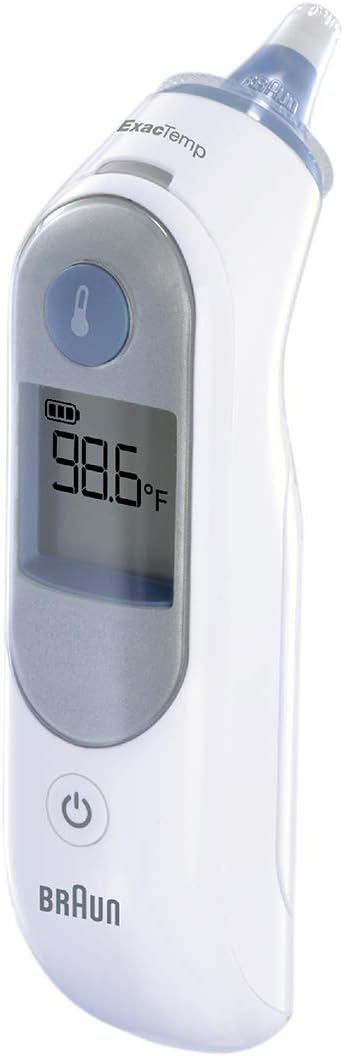
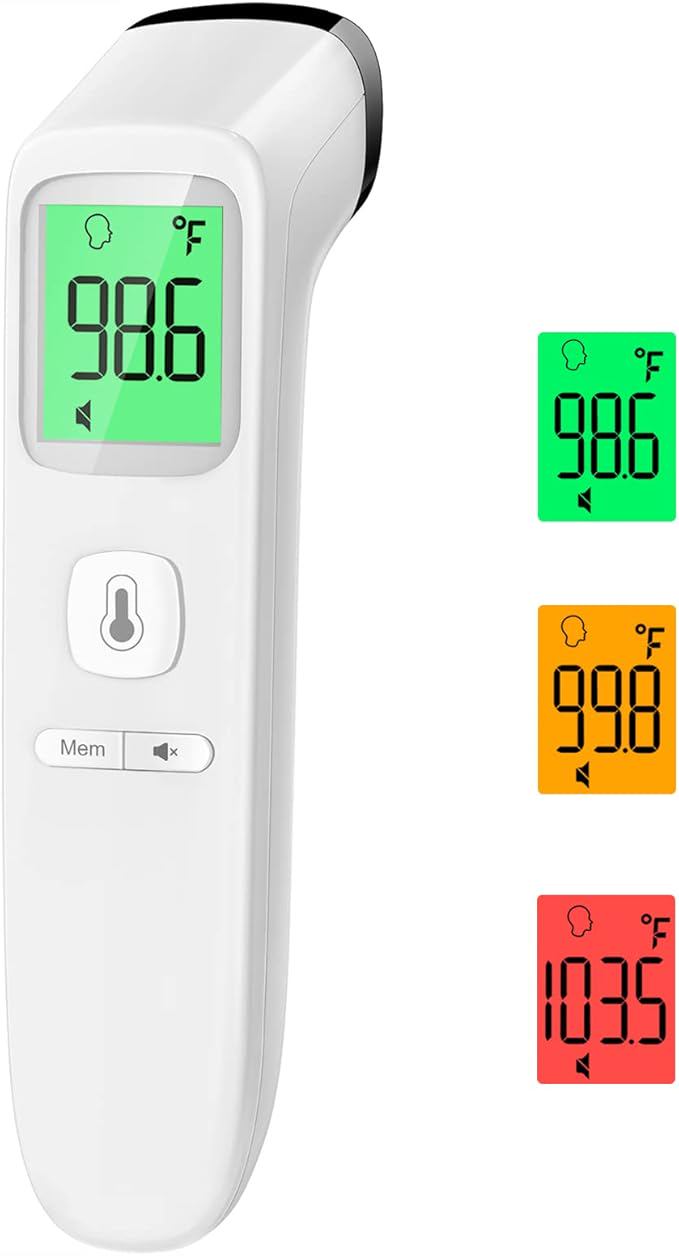
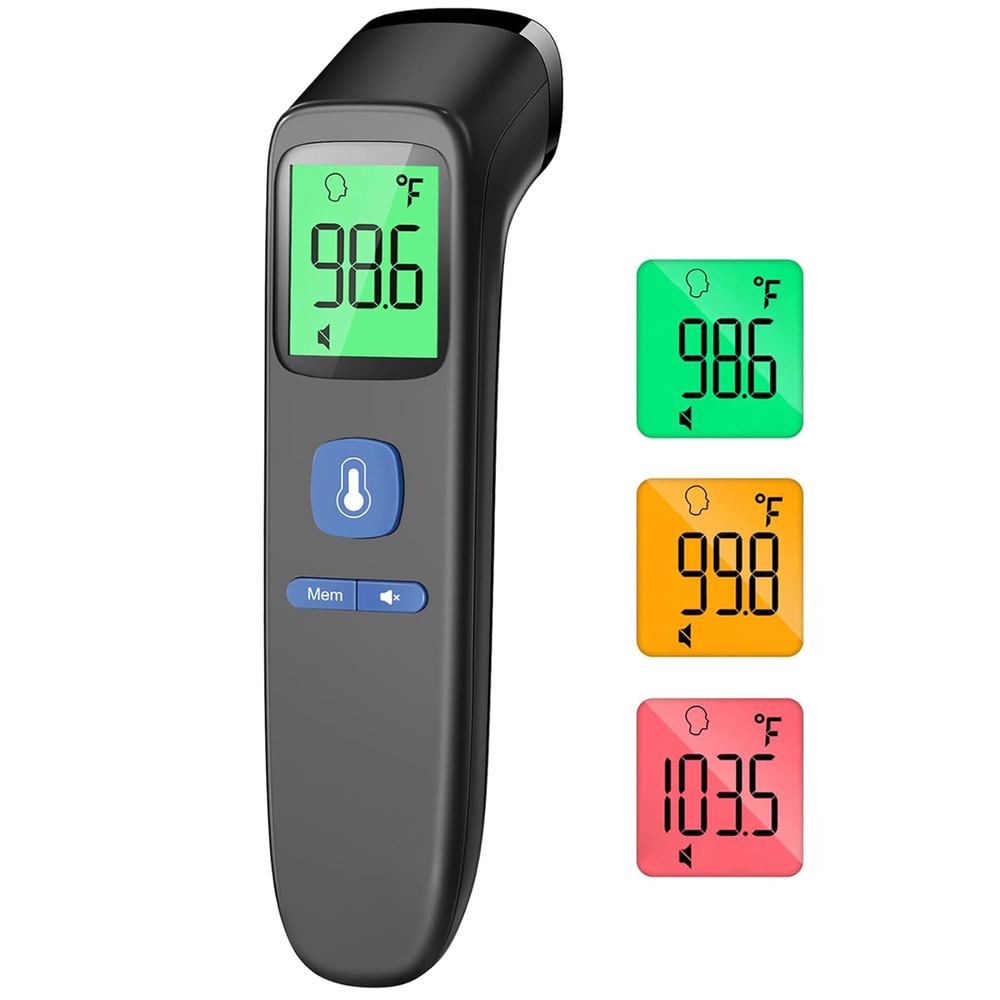
In a newborn, fever is a serious signal. Their immature immune systems can’t localize infection well, so a fever can indicate a significant underlying issue.
A rectal temperature of 100.4°F (38°C) or higher in a baby under 3 months old requires an immediate call to the doctor. Do not wait. It’s also crucial to note that a low body temperature (below 97.7°F or 36.5°C) can be equally serious in a newborn, indicating they are unable to stay warm or are fighting an infection.
Unusual Skin Color or Rashes
While many newborns have harmless rashes like erythema toxicum or baby acne, some skin changes warrant attention.
- Jaundice: A yellow tint to the skin and whites of the eyes is common. However, if it appears within the first 24 hours, is very intense, or spreads to the arms and legs, it needs assessment. Jaundice that is accompanied by poor feeding or extreme sleepiness is especially urgent.
- A rash that looks like tiny bruises or red pinpricks that doesn’t blanch (turn white) when you press a clear glass against it. This can be a sign of a serious infection.
Persistent Crying or Signs of Pain
All babies cry, but a cry that is high-pitched, shrill, or sounds like your baby is in pain is different from a typical hunger or fussy cry. Similarly, a weak, moaning cry can be a sign of severe illness.
Other signs of possible pain or distress include:
- Arching the back constantly.
- Drawing the knees persistently to the chest.
- Being inconsolable for several hours despite feeding, burping, and comforting.
Vomiting and Bowel Movements
Spitting up is normal; forceful vomiting is not. Pay attention to the nature of what comes up.
Contact your doctor if your newborn:
- Has projectile vomiting—where vomit shoots out with force, sometimes landing several inches away.
- Vomits green or yellow fluid (bile).
- Has blood in the vomit or stool, which may look like red streaks or resemble dark coffee grounds or black tar.
- Has not passed their first meconium stool (a dark, sticky stool) within the first 48 hours of life.
Remember, this list is a guide, not a substitute for professional medical judgment. Your pediatrician expects and welcomes your calls, especially in the first few weeks. When in doubt, reach out. Your vigilance is a fundamental part of keeping your new baby safe and healthy.