
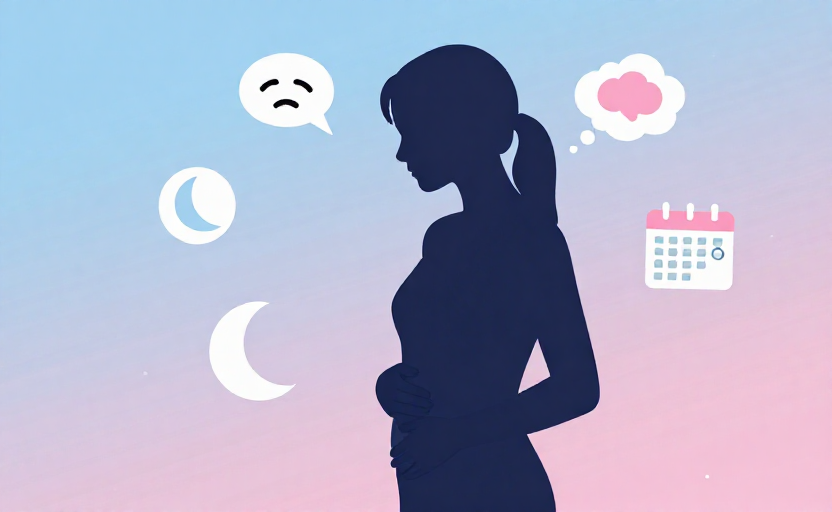
Premenstrual syndrome affects most menstruating people at some point, but there's a line between typical monthly discomfort and something more serious. Severe PMS, sometimes called premenstrual dysphoric disorder (PMDD) when symptoms are extreme, can significantly disrupt daily life. Yet many people dismiss the warning signs as just "that time of the month." Recognizing these signals early can help you seek the right support and manage symptoms more effectively.
What counts as severe PMS versus normal symptoms?
Mild bloating, a few cravings, and some irritability are common and usually manageable. Severe PMS goes further. Symptoms are intense enough to interfere with work, relationships, or your regular routine. They tend to appear in the luteal phase (the week or two before your period) and ease once bleeding starts. If you're experiencing any of the following six signs regularly, it may be time to take a closer look.
1. Mood changes that feel uncontrollable
Feeling a little short-tempered is one thing. Severe PMS can bring on sudden, intense anger, tearfulness, or anxiety that feels out of proportion to what's happening. You might find yourself crying over minor frustrations or snapping at loved ones without understanding why. These mood shifts aren't a character flaw—they're a physical response to hormonal fluctuations. If your emotions feel like a rollercoaster you can't get off, that's a red flag worth paying attention to.
2. Physical symptoms that keep you from normal activities
Cramping that leaves you curled up on the couch, headaches that make it hard to concentrate, or back pain that makes standing uncomfortable—severe PMS can cause physical symptoms that are far beyond mild discomfort. Breast tenderness might be so pronounced that wearing a bra feels unbearable. Fatigue can be so deep that even light tasks seem exhausting. When physical symptoms consistently force you to cancel plans or miss responsibilities, they're not "just cramps."
3. Sleep disturbances that persist
Insomnia or restless sleep in the days before your period is a lesser-known sign of severe PMS. You might have trouble falling asleep, wake up frequently during the night, or feel exhausted even after a full night's rest. Some people experience vivid or disturbing dreams that add to the disruption. Poor sleep then worsens other PMS symptoms like irritability and brain fog, creating a cycle that's hard to break.
4. Cognitive changes that feel like brain fog
Forgetting appointments, losing your train of thought mid-sentence, or struggling to focus on simple tasks can be part of severe PMS. This cognitive cloudiness is sometimes called "period brain." It's not just being distracted—it's a real difficulty processing information or remembering things you normally wouldn't forget. If you find yourself re-reading emails three times or walking into rooms and forgetting why, this symptom deserves attention.
5. Appetite changes beyond typical cravings
Everyone craves chocolate or salty snacks sometimes. Severe PMS can involve extreme changes in appetite, such as binge eating, loss of appetite entirely, or intense cravings for specific foods that feel almost compulsive. You might eat far more than usual or find yourself unable to eat at all. These shifts aren't about willpower—they're linked to hormonal effects on serotonin and blood sugar regulation.
6. Feeling disconnected from yourself or others
A particularly subtle but serious warning sign is a sense of detachment or numbness in the days before your period. You might feel emotionally flat, uninterested in things you usually enjoy, or as though you're watching your life from outside your body. Some describe it as feeling "not like myself." This symptom overlaps with depression and anxiety, and it's one of the hallmark features of PMDD. If you regularly feel disconnected or hopeless pre-period, it's important to talk to a healthcare provider.
Tip: Tracking your symptoms across at least two menstrual cycles can help you and your doctor distinguish PMS from other conditions. Note both physical and emotional changes, their timing, and how they affect your daily life.
When to seek help
If you recognize several of these signs in yourself, it's worth bringing up with a healthcare professional. Severe PMS and PMDD are treatable. Options like certain antidepressants, oral contraceptives, cognitive behavioral therapy, and lifestyle adjustments can make a real difference. You don't have to suffer through each month hoping it will pass. Document your symptoms for a few cycles and take that record to a gynecologist or primary care provider.
Paying attention to these subtle warning signs isn't overreacting—it's taking your health seriously. Severe PMS affects roughly 3 to 8 percent of menstruating people, and many more experience moderate symptoms that are still disruptive. You deserve support, not just patience.