
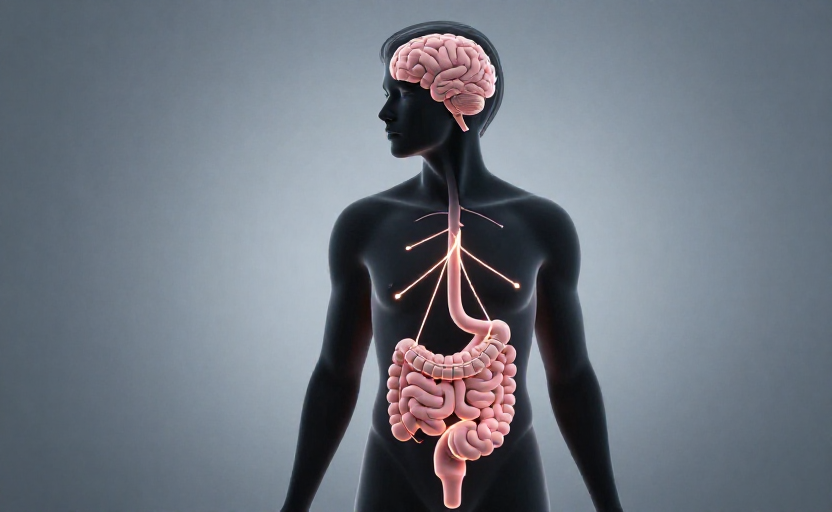
You feel it in your shoulders, your jaw, maybe the knot in your stomach that won’t untie. But the connection between stress and your body runs deeper than tension. For years, researchers have mapped what they now call the gut-brain axis—a two-way communication highway linking your central nervous system to your digestive tract. When that line buzzes with stress signals, your gut often responds with physical symptoms that are easy to overlook or blame on something else.
If you’ve been carrying a heavy mental load and noticing physical changes—digestive trouble, odd cravings, fatigue that sleep doesn’t fix—your gut might be screaming what your mind has been whispering. Here are six physical symptoms of stress that are directly linked to an unhealthy gut, and what you can do about them (without overhauling your whole life).
1. Chronic Bloating and Gas
That tight, swollen feeling after meals—or even on an empty stomach—is one of the most common gut-related stress responses. When you’re stressed, your body diverts blood flow away from digestion toward your muscles and brain. This slows peristalsis, the wave-like motion that moves food through your intestines. Food sits longer, ferments, and produces gas. Stress can also alter the composition of your gut microbiome, favoring bacteria that produce more methane and hydrogen. The result: bloating that feels like a balloon is inflating inside you.
A simple but effective practice: eat slowly, chew thoroughly, and take a few deep belly breaths before your first bite to shift your nervous system toward rest-and-digest mode.
2. Unexplained Cramping or Abdominal Pain
Stress doesn’t just slow things down—it can also speed them up. The brain releases corticotropin-releasing hormone (CRH) during stress, which can stimulate the colon and cause cramping, pain, and urgency. For people with irritable bowel syndrome (IBS), this is an especially familiar cycle: stress triggers pain, pain triggers more stress. But even without a diagnosed condition, chronic stress can make your gut hypersensitive. Nerves in your intestinal wall become more reactive, so normal amounts of gas or movement feel painful.
3. Changes in Bowel Habits (Constipation or Diarrhea)
Your bathroom habits are a direct readout of your stress levels. Stress-induced shifts in gut motility can swing either way. Some people experience constipation because the parasympathetic nervous system (the “rest and digest” branch) is suppressed. Others get diarrhea when stress hyper-activates the colon. Both are signs that the gut-brain axis is out of balance. If you notice your bowel habits changing along with your mood or workload, stress is likely the driver.
4. Intense Sugar and Carb Cravings
When you’re under chronic stress, your adrenal glands pump out cortisol. Cortisol raises blood sugar for quick energy, but it also signals your brain to replenish those stores. The problem? Your brain interprets that signal as a craving for fast fuel: sugar, refined carbohydrates, and processed snacks. Meanwhile, stress disrupts the gut microbiome, which can alter the way you process glucose and even influence the types of foods you crave. It becomes a loop—stress changes your gut bugs, your gut bugs change your cravings, and those cravings feed the inflammation that makes stress worse.
5. Persistent Fatigue (Even With Enough Sleep)
Your gut produces a significant portion of your body’s serotonin and a large share of your dopamine—both key players in energy, mood, and motivation. When stress compromises the gut lining and alters microbial balance, these neurotransmitter pathways can become disrupted. Additionally, a stressed, inflamed gut produces more immune signals that trigger systemic fatigue. You might be sleeping seven or eight hours a night, but if your gut is in distress, you’ll wake up feeling like you haven’t rested at all.
6. Skin Breakouts or Unexplained Rashes
The gut-skin connection is real. When your intestinal lining becomes more permeable (often called “leaky gut”) due to chronic stress, larger food particles and bacterial byproducts can enter your bloodstream. The immune system responds with inflammation that often shows up on your skin as acne, rosacea, or eczema. If you’re breaking out in places you don’t normally see blemishes—or if your skin gets red and irritated for no obvious reason—your gut may be sounding an alarm.
Your Gut Is Trying to Talk to You
The takeaway isn’t to panic or to add “fix my gut” to your already overflowing to-do list. It’s to listen. These six symptoms are signals, not failures. When you address the root cause—chronic stress—you’re also helping your gut heal. Small shifts like eating more fiber-rich whole foods, staying hydrated, moving your body regularly, and practicing even five minutes of deep breathing each day can calm both your nervous system and your digestive tract. And if these symptoms persist, talk with a healthcare provider to rule out other conditions and get personalized guidance.