
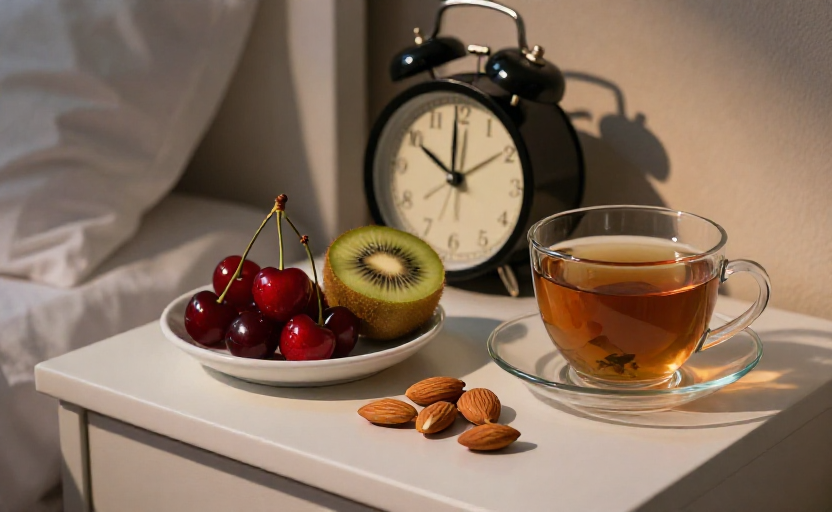
You’ve dimmed the lights, put your phone away, and settled into a quiet evening. But if you’re reaching for the wrong snack, you might be undermining your own efforts for restful sleep. What you eat in the hours before bed can be the quiet conductor of your night’s symphony—either orchestrating a peaceful drift into sleep or contributing to a restless, fragmented night.
It’s not about one magical food, but about understanding how different nutrients interact with your body’s sleep-wake cycle. We spoke with registered dietitians to cut through the noise and identify the foods that genuinely support your bedtime routine, and those that are better saved for earlier in the day.
How food influences your sleep
Sleep is a complex biological process, and your diet plays a supporting role. Certain foods contain compounds that can promote the production of sleep-regulating hormones like melatonin and serotonin. Others can trigger digestion, cause discomfort, or even have a stimulating effect that works against your body’s natural wind-down process. The goal isn’t to eat a specific “sleep food” right at bedtime, but to be mindful of your overall evening intake.
Think of your last meal or snack as part of your pre-sleep ritual, not an afterthought.
Foods to include in your evening routine
These choices are about providing gentle, sleep-supportive nutrients. Portion size matters—a large meal of any kind right before bed can lead to discomfort. Aim for a light snack if you’re hungry, consumed about 60-90 minutes before you plan to sleep.
1. Tart cherries or tart cherry juice
Tart cherries are one of the few natural food sources of melatonin, the hormone that directly regulates your sleep-wake cycle. Small studies have suggested that drinking tart cherry juice concentrate can increase melatonin levels and modestly improve sleep quality and duration. A small glass of the juice or a handful of the dried fruit can be a soothing, sweet-tart way to end the day.
2. A small handful of nuts
Almonds and walnuts are particularly good candidates. Almonds contain magnesium, a mineral that plays a role in muscle relaxation and de-stressing the nervous system. Walnuts also contain their own source of melatonin. The combination of healthy fats, a little protein, and these supportive nutrients makes a small serving a stable, satisfying option that won’t spike your blood sugar.
3. Kiwi fruit
This fuzzy fruit has emerged as a surprising sleep aid in research. Kiwis are rich in serotonin and antioxidants. One study found that participants who ate two kiwis one hour before bed for four weeks fell asleep faster, slept more soundly, and increased their total sleep time. The exact mechanism isn’t fully understood, but its combination of vitamins, antioxidants, and serotonin precursors appears to be beneficial.
4. Herbal teas
A warm cup of tea is a ritual in itself. Chamomile tea is widely cherished for its calming properties, linked to an antioxidant called apigenin that may promote relaxation. Other herbal options like passionflower, valerian root, or lemon balm are also traditionally used for their mild sedative effects. The warmth and ritual can be as powerful as the compounds inside.
5. Complex carbohydrates with tryptophan
You’ve likely heard of tryptophan in turkey. This amino acid is a precursor to serotonin and melatonin. The key is pairing it with a complex carbohydrate. Think a few whole-grain crackers with a slice of turkey, or a small bowl of oatmeal. The carbohydrates help tryptophan cross the blood-brain barrier more effectively, making this combination more powerful than tryptophan alone.
Foods to avoid or limit before bed
Timing is everything here. You don’t necessarily need to eliminate these forever, but giving your body a buffer of several hours before bedtime can make a significant difference in your sleep quality.
1. Heavy, greasy, or large meals
Digestion slows down as you prepare for sleep. A large, rich meal forces your body to work on processing food when it wants to rest. This can lead to indigestion, acid reflux, and general discomfort that makes it hard to fall or stay asleep. Aim to finish larger dinners at least 2-3 hours before bedtime.
2. Caffeine
This one seems obvious, but caffeine’s half-life is longer than many people realize. It can take 6-8 hours for just half the caffeine in a cup of coffee to leave your system. That afternoon latte or even a piece of dark chocolate after dinner could still be subtly impacting your nervous system at bedtime. Consider a 2 p.m. cutoff for coffee, tea, soda, and energy drinks.
3. Alcohol
While alcohol might make you feel drowsy initially, it dramatically disrupts sleep architecture. It suppresses REM sleep—the restorative, dream-filled stage—and often leads to fragmented sleep and waking up in the middle of the night as its effects wear off. It’s also a diuretic, which can lead to disruptive trips to the bathroom.
4. High-sugar foods and refined carbs
A cookie, sugary cereal, or candy bar before bed can cause a rapid spike and then a crash in blood sugar. This rollercoaster can trigger wakefulness, night sweats, or early morning waking. Spicy foods can have a similar disruptive effect for some people, causing heartburn or raising body temperature, which interferes with the natural cooling process needed for sleep.
5. Excessive fluids
Staying hydrated is crucial, but downing a big glass of water right before bed is a direct ticket to interrupted sleep for a bathroom break. Try to taper your fluid intake in the last hour or two before bed, ensuring you’re well-hydrated earlier in the day.
Building a better bedtime plate
The ideal evening eating pattern is personal. Listen to your body. If you’re not hungry, don’t feel obligated to eat. If you are, choose a combination that includes a little protein or healthy fat with a complex carb—like apple slices with almond butter, a small bowl of whole-grain cereal with milk, or a few whole-grain crackers with cheese. Keep it light, simple, and consumed with enough time to digest before you lie down.
Ultimately, your food choices are one piece of your sleep hygiene puzzle. Pairing a mindful evening snack with a consistent sleep schedule, a dark cool room, and a relaxing pre-bed routine creates the strongest foundation for the deep, restorative sleep your body needs.