
Navigating the teenage years is a complex dance of growth, emotion, and intense mental focus. While mood swings and concentration dips are a normal part of development, the foods a teen eats can play a surprisingly powerful supporting role. Nutrition doesn't replace professional support for mental health, but it can provide the foundational building blocks for a more resilient brain and a steadier emotional state.
We spoke with nutrition experts to identify key foods that deliver the specific nutrients a developing brain craves. These aren't magic bullets, but consistent, thoughtful additions to a teen's diet that can help smooth the edges of a challenging day and support sustained attention.
Why Food Affects Teen Mood and Focus
The adolescent brain is undergoing a massive renovation, building and pruning neural connections at a rapid pace. This process requires a steady supply of specific nutrients. When those are lacking, or when blood sugar swings wildly from processed snacks, it can manifest as irritability, brain fog, or fatigue.
Key players include omega-3 fatty acids for building brain cell membranes, B vitamins for energy production and neurotransmitter synthesis, antioxidants to combat oxidative stress, and complex carbohydrates for a steady release of glucose—the brain's primary fuel.
Think of food as the raw materials for the brain's construction project. You can't build a stable, well-functioning structure with poor-quality supplies.
Foods to Incorporate
Focus on whole, minimally processed foods. Here are six standout categories that nutritionists frequently highlight for their brain-boosting benefits.
Fatty Fish
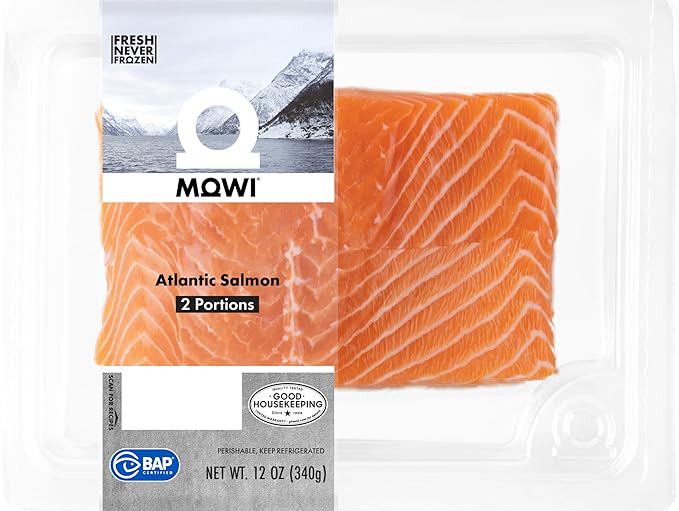
Salmon, mackerel, sardines, and trout are rich in EPA and DHA, types of omega-3 fats that are critical for brain health. DHA is a major structural component of the brain, and adequate intake is linked to improved cognitive function and a potentially more positive mood outlook. Aiming for two servings per week is a good target.
Leafy Greens
Spinach, kale, and Swiss chard are powerhouses of folate and magnesium. Folate is involved in producing dopamine and serotonin, neurotransmitters that regulate mood. Magnesium plays a role in nerve function and can have a calming effect. Try adding a handful to smoothies, omelets, or as a bed for other foods.
Berries
Blueberries, strawberries, and blackberries are loaded with antioxidants, particularly flavonoids. These compounds help protect brain cells from damage and may improve communication between brain cells. Studies suggest they can support memory and cognitive processing. They make a perfect sweet snack or yogurt topping.
Nuts and Seeds
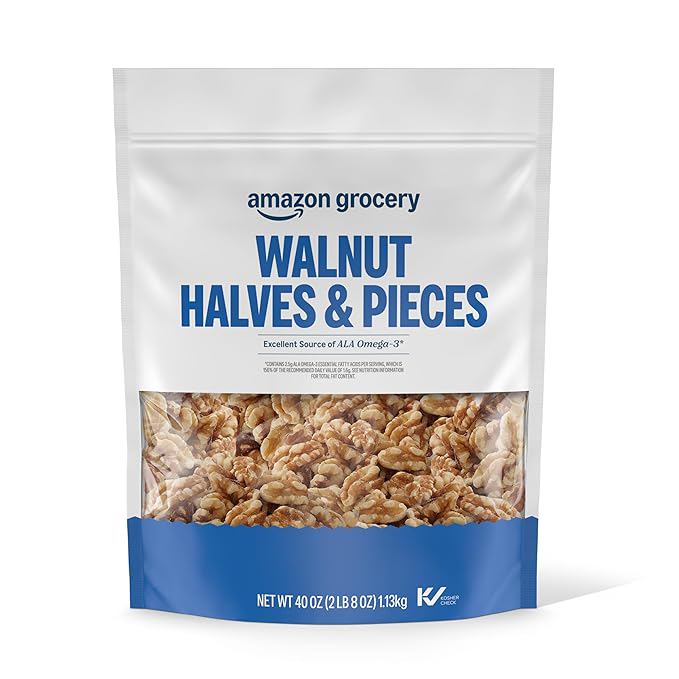
Walnuts, almonds, pumpkin seeds, and chia seeds are excellent sources of plant-based omega-3s (in walnuts), magnesium, zinc, and protein. Zinc is crucial for neural signaling, and the healthy fats and protein help keep blood sugar stable, preventing mid-afternoon energy crashes that sabotage focus.
Whole Eggs
Often called nature's multivitamin, eggs provide choline—a nutrient vital for creating acetylcholine, a neurotransmitter involved in mood and memory. They're also a complete protein, keeping hunger at bay and providing steady energy. The yolk contains most of the brain-benefiting nutrients.
Fermented Foods
Yogurt (with live cultures), kefir, kimchi, and sauerkraut contain probiotics. A growing body of research on the gut-brain axis shows that a healthy gut microbiome can positively influence brain function and emotional well-being. These foods support a diverse gut environment.
How to Make It Work for Your Teen
Introducing new foods to a teenager requires a gentle, persistent approach. Avoid framing it as "health food" or a fix for their mood. Instead, involve them in choices and preparation.
- Start with additions, not subtractions: Focus on adding a serving of berries to breakfast or offering walnuts as a snack, rather than taking away favorite foods.
- Keep it accessible: Have washed berries, pre-cut veggies with hummus, or single-serving packs of nuts readily available for grab-and-go moments.
- Blend it in: Smoothies are a fantastic vehicle for leafy greens, seeds, and yogurt. Let them choose the fruit to sweeten it.
- Lead by example: Eat these foods yourself. Shared meals that include these ingredients normalize their presence.
Remember, consistency over perfection is the goal. One "perfect" meal matters less than a general pattern of eating that regularly includes these nutrient-dense foods.
A Note on Overall Patterns
While these six food groups are stars, they work best within a balanced diet. Encourage regular meals and snacks to avoid blood sugar dips, prioritize hydration (even mild dehydration can impair concentration), and be mindful of excessive caffeine from energy drinks or coffee, which can increase anxiety and disrupt sleep—a critical pillar for both mood and focus.
If you have significant concerns about your teen's mood, focus, or eating habits, consulting with a pediatrician, registered dietitian, or mental health professional is always the recommended step. Food is a powerful tool for support, but it is one part of a much larger picture of adolescent well-being.