Introducing your baby to solid foods is a thrilling milestone, filled with messy faces and new discoveries. Yet, nestled within this exciting journey is a crucial responsibility: knowing what not to serve. A baby's digestive and immune systems are still developing, making the first year a critical period for avoiding certain foods that pose risks of choking, illness, or allergic reaction.
Pediatric guidelines provide a clear, safety-first roadmap. These recommendations aren't about deprivation, but about protection—shielding your little one's health while they grow strong enough to handle a wider world of flavors. Let's explore the key foods to set aside until that first birthday.
Why are some foods off-limits for the first year?
It’s not that these foods are inherently “bad.” Instead, they present specific hazards for infants under 12 months. The primary concerns fall into three categories: choking risk, potential for serious foodborne illness, and the immature state of a baby’s digestive and immune systems. Some foods are simply too hard for babies to manage safely, while others contain bacteria or components that their small bodies aren't yet equipped to handle.
The first year of feeding is about building a foundation of safety and tolerance.
Foods to avoid for your baby’s first year
Honey and any products containing it
This is a non-negotiable rule for the first year. Honey, even in tiny amounts or in baked goods, can contain Clostridium botulinum spores. An infant's gut isn't mature enough to prevent these spores from germinating and producing a dangerous toxin that causes infant botulism, a rare but potentially life-threatening illness. Wait until after the first birthday to introduce honey.
Unpasteurized drinks and dairy
Stick to pasteurized milk, yogurt, and cheese. Unpasteurized (or “raw”) milk and juices can harbor harmful bacteria like E. coli, Salmonella, and Listeria. These pathogens can cause severe illness in anyone, but infants are particularly vulnerable due to their less robust immune systems. Always check labels to ensure dairy and juice products are pasteurized.
Choking hazards: The shape and texture test
Any food that is hard, round, slippery, or sticky can block a small airway. Supervise all eating, but especially avoid these common hazards:
- Whole nuts and seeds: These are hard and can be inhaled.
- Whole grapes, cherry tomatoes, or hot dogs: Their round, firm shape is perfect for blocking the windpipe. Always cut these into small, non-round pieces for older toddlers as well.
- Chunks of hard cheese, meat, or raw vegetables: Grate, shred, or cook until very soft and mashable.
- Sticky foods: Large globs of peanut butter, marshmallows, or chewy candy can get stuck.
- Popcorn: The kernels are a dual hazard—both a choking risk and a potential irritant if inhaled.
Added sugars and artificial sweeteners
Babies have a natural preference for sweet tastes, but satisfying it with added sugars sets the stage for poor nutritional habits and a preference for overly sweet foods. Avoid offering cookies, cakes, candy, sugary cereals, or sweetened drinks. Also, steer clear of foods with artificial sweeteners like sorbitol, which can cause digestive upset in little ones. Let their sweetness come from naturally sweet fruits and vegetables.
High-sodium foods and processed meats
A baby's kidneys are not developed enough to process large amounts of sodium. Avoid adding salt to their food and be cautious of high-sodium packaged foods like canned soups, broths, processed snacks, and deli meats. Processed meats like hot dogs, sausages, and bacon are also high in sodium and nitrates and are choking hazards.
Cow's milk as a main drink
While small amounts of cow's milk in cooking or as an ingredient in yogurt or cheese are fine after 6 months, it should not replace breast milk or formula as the primary drink before age one. Cow's milk lacks the proper balance of iron and other nutrients infants need and can be hard on their kidneys. After the first birthday, whole cow's milk can become a primary beverage.
Creating a safe and positive feeding environment
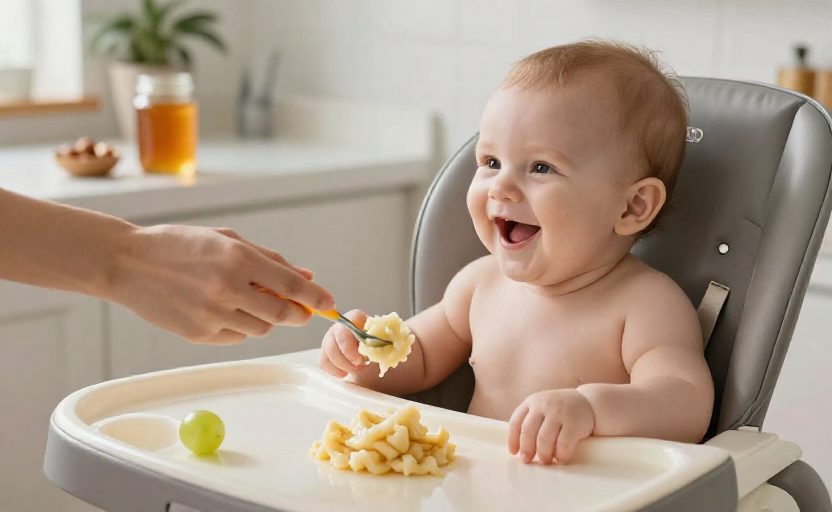
Knowing what to avoid is half the battle; the other half is fostering a safe, low-pressure eating experience. Always have your baby seated upright during meals, never lying down or crawling around. Stay within arm's reach while they eat. Follow their cues for hunger and fullness—forcing “one more bite” can create negative associations with food. The goal is to let them explore textures and tastes at their own pace, within the boundaries of safety.
When in doubt about a specific food, your pediatrician is your best resource. They can offer guidance tailored to your baby’s growth and any family history of allergies. Remember, this list of avoidances is temporary. By the first birthday, many of these foods can be introduced safely, opening up a wonderful new chapter of family meals.