When your thyroid is underactive, every system in your body can feel sluggish—including how you process cholesterol. Hypothyroidism often leads to higher LDL (the “bad” cholesterol) and total cholesterol levels, partly because a slow thyroid reduces the rate at which your liver clears cholesterol from the bloodstream. While medication is the cornerstone of thyroid management, what you eat can gently support your lipid profile without conflicting with treatment. Here are six foods that research and clinical experience suggest can help keep cholesterol numbers in a healthier range when your thyroid isn’t firing on all cylinders.
Oats and barley: soluble fiber’s steady work
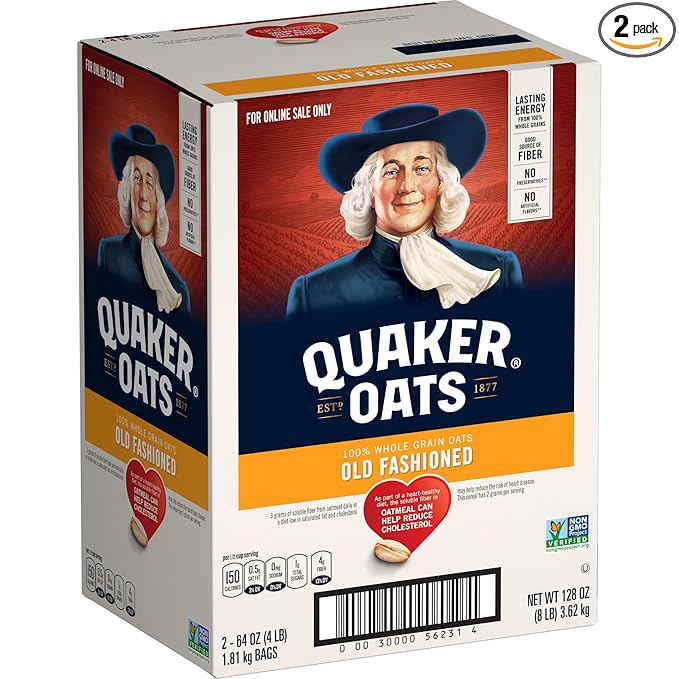
The fiber in oats and barley—especially beta-glucan—acts like a sponge in your digestive tract. It binds to cholesterol-rich bile acids and ushers them out of your body before they can be reabsorbed. For someone with hypothyroidism, whose bile acid production may already be sluggish, this gentle nudge can make a meaningful difference. A bowl of oatmeal or a barley-based pilaf several times a week is a practical start.
Fatty fish: omega-3s that soothe inflammation
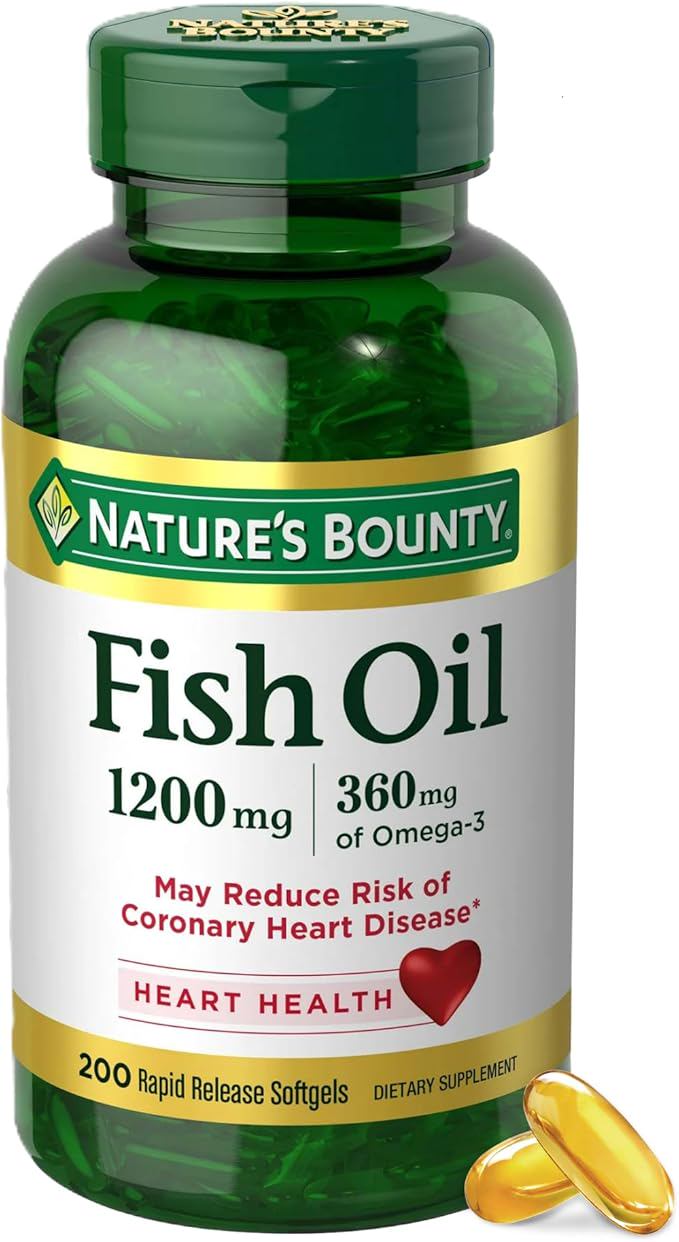
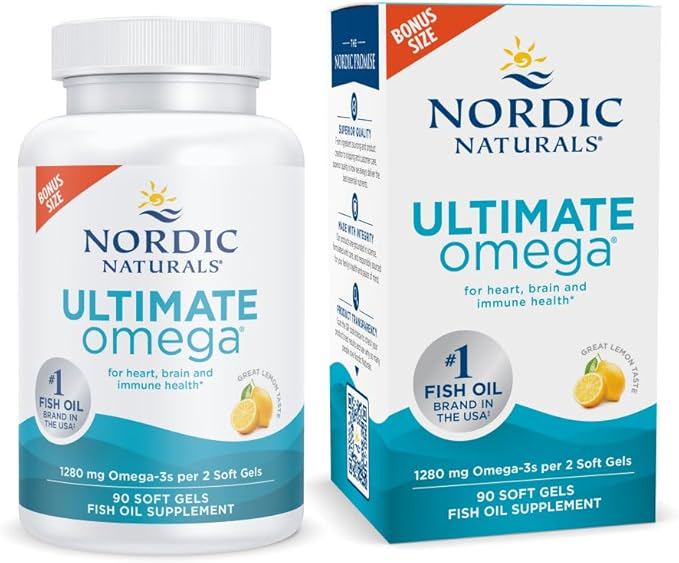
Salmon, mackerel, sardines, and trout provide long-chain omega-3 fatty acids (EPA and DHA). These fats help lower triglycerides and reduce inflammation—a particular concern because hypothyroidism is linked to a chronic low-grade inflammatory state. The American Heart Association recommends two servings of fatty fish per week. If you’re not a fish eater, a high-quality fish oil supplement is a reasonable alternative, but always check with your doctor first, especially if you’re on blood thinners.
Walnuts and flaxseeds: plant-based allies
Walnuts and flaxseeds are rich in alpha-linolenic acid (ALA), a plant-based omega-3. A handful of walnuts (about 1 ounce) or a tablespoon of ground flaxseed sprinkled on yogurt or oatmeal can contribute to a healthier lipid panel. Flaxseeds also contain lignans, which may provide additional antioxidant benefits. Because whole flaxseeds pass through undigested, always grind them or buy them pre-ground for maximum absorption.
Avocados: monounsaturated fat and potassium
Avocados are a powerhouse of monounsaturated fat, which helps lower LDL without reducing HDL. They also deliver potassium—an underappreciated mineral for thyroid health, since hypothyroidism can tip potassium levels slightly out of balance. Adding half an avocado to a salad or using it as a spread on whole-grain toast is an easy swap for less heart-friendly fats.
Legumes (lentils, chickpeas, beans): fiber plus plant sterols
Lentils, chickpeas, black beans, and other legumes provide soluble fiber and plant sterols—compounds that compete with dietary cholesterol for absorption. A half-cup serving most days of the week can modestly lower LDL. Legumes are also a gentle protein source for people whose digestion runs slow (a common complaint in hypothyroidism).
Dark leafy greens (spinach, kale, Swiss chard): folate and fiber
Dark leafy greens supply folate (vitamin B9), which helps manage homocysteine levels—an amino acid that can climb when thyroid function is low. Elevated homocysteine is an independent risk factor for heart disease. Greens also contribute a modest amount of soluble fiber. Sauté a couple of handfuls with garlic and olive oil as a side dish, or blend them into smoothies if you find raw greens hard to digest.
Always take thyroid medication (levothyroxine) on an empty stomach with water, and wait at least 30–60 minutes before eating high-fiber foods or those containing calcium (like fortified cereals or dairy). Fiber can interfere with absorption of thyroid hormone.
Putting it together: sample meal ideas
- Breakfast: Oatmeal topped with ground flaxseed and a handful of walnuts
- Lunch: Lentil soup with a side of steamed kale
- Dinner: Grilled salmon with a barley pilaf and half an avocado
These foods don’t replace thyroid medication or cholesterol-lowering drugs when they’re needed. But they can create a metabolic environment where your body handles cholesterol more efficiently. Small, steady changes—not drastic overhauls—are what work best for a thyroid that prefers consistency.