Endometriosis is more than just painful periods. For the millions of people who live with this condition, chronic inflammation is a central driver of pelvic pain, bloating, and other disruptive symptoms. While diet alone is not a cure, a growing body of research suggests that certain foods possess natural anti-inflammatory properties that may help calm the body's immune response and ease discomfort. These foods work by targeting inflammation pathways, providing antioxidants, and supporting hormone balance.
Incorporating these six foods into a balanced eating pattern — alongside medical guidance — may offer meaningful support for managing endometriosis-related inflammation. No single food is a magic bullet, but together they form a foundation for a more anti-inflammatory lifestyle. Always consult your healthcare provider before making significant dietary changes, especially if you are on medication or have other health conditions.
1. Leafy green vegetables
Dark, leafy greens like spinach, kale, and Swiss chard are packed with antioxidants, fiber, and essential vitamins. Their high magnesium content can help relax pelvic muscles and reduce cramping. Greens also provide vitamin K and iron, which are especially important if heavy bleeding is part of your cycle. Try adding a generous handful to smoothies, soups, or stir-fries each day.
2. Fatty fish rich in omega-3s
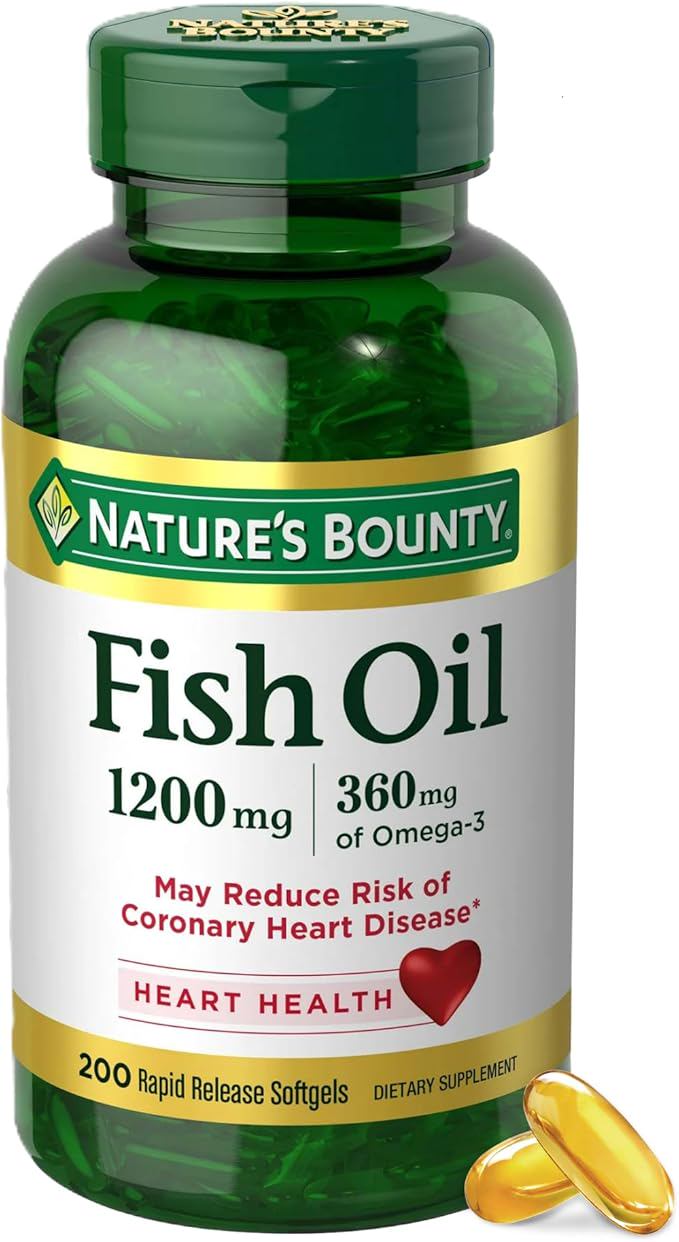
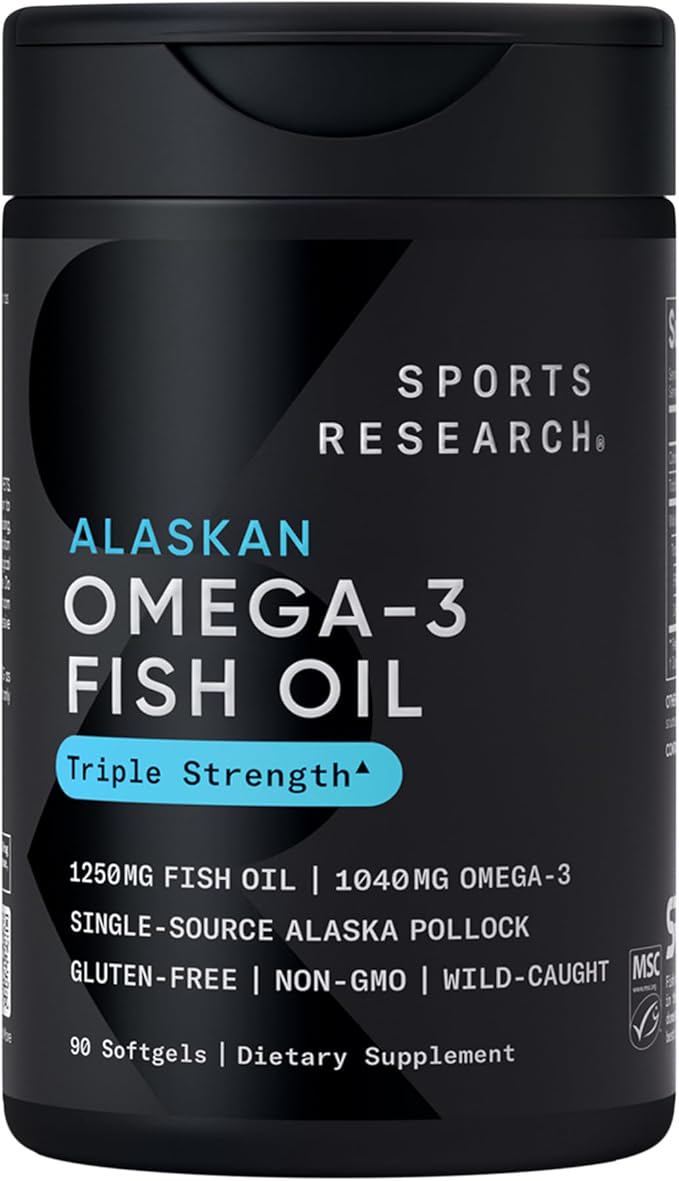
Salmon, mackerel, sardines, and anchovies are excellent sources of omega-3 fatty acids — compounds known to dampen inflammation at the cellular level. A 2021 review in Reproductive Biology and Endocrinology noted that higher omega-3 intake is associated with lower levels of inflammatory markers in people with endometriosis. Aim for two servings of fatty fish per week. For vegetarians, flaxseeds and chia seeds offer a plant-based alternative, though the conversion to active omega-3s is less efficient.
3. Berries and citrus fruits
Berries — such as blueberries, strawberries, and raspberries — are rich in anthocyanins and flavonoids that fight oxidative stress. Citrus fruits like oranges and grapefruits provide vitamin C, which supports immune function and tissue repair. Both categories of fruit can help lower C-reactive protein (CRP), a key marker of inflammation. A bowl of mixed berries as a snack or a squeeze of lemon over greens is a simple way to increase your intake.
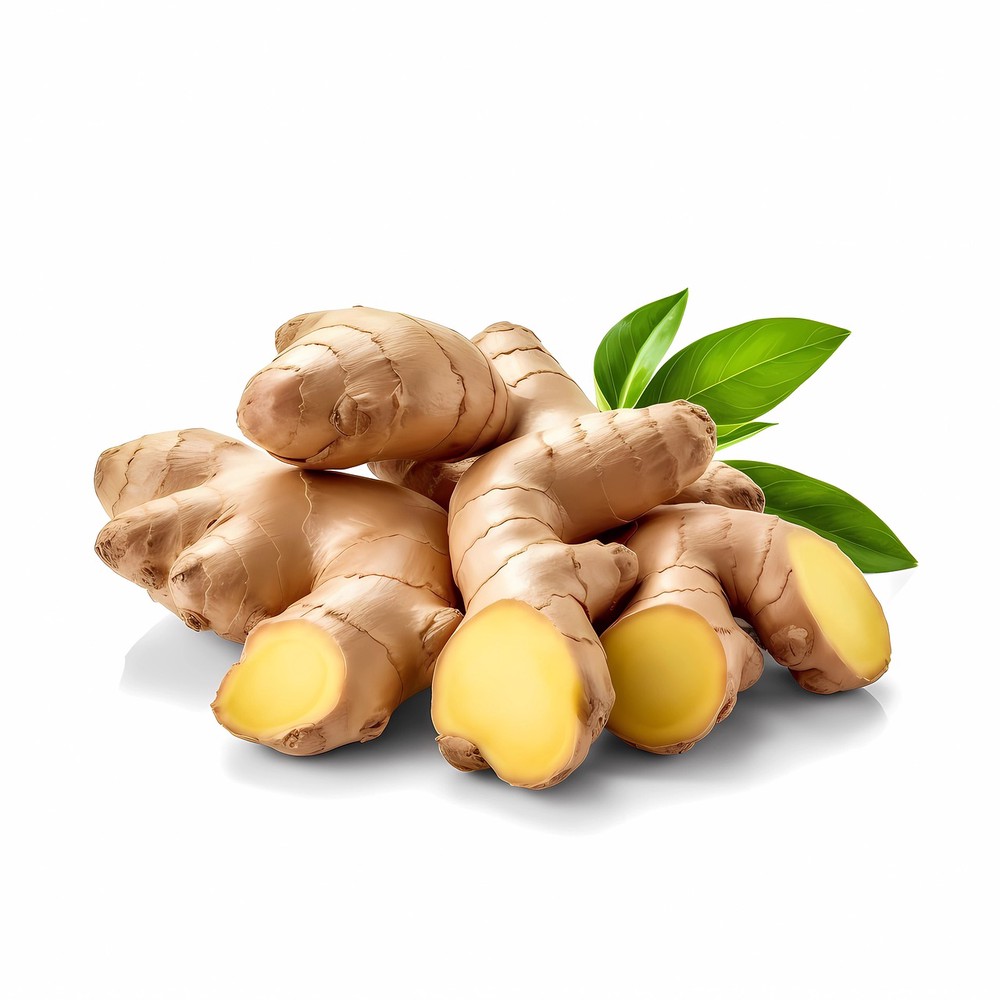
4. Turmeric and ginger
These two rhizomes share a long history in traditional medicine for their anti-inflammatory effects. Curcumin, the active compound in turmeric, has been studied for its ability to block inflammatory enzymes. Gingerol, the main bioactive in ginger, offers similar benefits. Pairing turmeric with black pepper improves its absorption. You can use both fresh or powdered in curries, teas, or warm broths. A typical recommendation is one to two grams of turmeric or ginger daily, but exact dosing should be discussed with your practitioner.
5. Whole grains and legumes
Unprocessed carbohydrates like oats, brown rice, quinoa, lentils, and chickpeas provide slow-release energy and high fiber content. Fiber helps flush excess estrogen from the body, which may reduce estrogen-driven inflammation in endometriosis lesions. A 2018 study found that women who consumed more whole grains had lower rates of endometriosis diagnosis. Swap refined grains for whole versions at least half of the time.
6. Nuts and seeds
Walnuts, almonds, pumpkin seeds, and sunflower seeds are powerhouses of vitamin E, zinc, and magnesium. Brazil nuts are particularly notable because they are the richest dietary source of selenium, a mineral involved in antioxidant production. Including a small handful (about one ounce) of mixed nuts or seeds each day can help lower inflammatory markers without adding many calories. Seed cycling — rotating flax, pumpkin, sesame, and sunflower seeds through the menstrual cycle — is a popular complementary approach, though evidence is primarily anecdotal.
Caveat: These foods are supportive, not curative. Always work with your gynecologist or a registered dietitian who understands endometriosis to build a plan tailored to your symptoms and nutritional needs.
Building an anti-inflammatory plate is about consistency, not perfection. Even small daily shifts — like swapping soda for berry-infused water or adding turmeric to a grain bowl — can accumulate over time. When combined with medical treatment and stress management, these foods may help you feel more in control of your body and your health.