
You check your sleep tracker every morning. It tells you how long you were in deep sleep, how many times you stirred, and that elusive nightly score you try to nudge higher. You have tried the obvious fixes—blackout curtains, a cooler room, putting the phone down earlier. But what you eat might be the missing variable in your sleep equation.
Sleep trackers, from rings to bands to bedside mats, are pretty good at detecting patterns. They measure heart rate variability (HRV), movement, and time spent in restorative deep and REM stages. Diet can influence these metrics in real time. While no single food guarantees a perfect score, certain foods can support the physiological conditions your tracker loves to see: lower nighttime heart rate, less restlessness, and more stable recovery phases. Here are six foods that align with those patterns.

1. Tart Cherry Juice
If your sleep tracker rewards you for less tossing and turning, tart cherry juice deserves a spot on your evening menu. It is one of the few food sources that naturally contain melatonin. Studies using objective sleep measures—like polysomnography, the gold standard that home trackers approximate—show that participants drinking tart cherry juice experienced longer total sleep time and less time awake after falling asleep.
Consider it a gentle biochemical nudge. Your body makes its own melatonin when the lights go dim, but a small glass of tart cherry juice (about eight ounces) in the early evening might help that cycle start a little more smoothly. Tip from the data: Skip the kinds loaded with added sugar. Pure, unsweetened tart cherry juice has the most direct effect on sleep architecture.
2. Kiwi
Kiwis are not just a tangy breakfast fruit. In a small but well-cited clinical trial, eating two kiwifruits one hour before bed led to significant improvements in sleep onset latency—how long it takes you to drop off—and total sleep time. That is exactly the kind of change your tracker can register as a better efficiency score.
The mechanism is likely serotonin. Kiwis provide a moderate amount of this neurotransmitter precursor, which the brain uses to produce melatonin. Unlike synthetic sleep aids, kiwis bring fiber and antioxidants to the deal. Your tracker might not log those nutrients, but better digestion and lower oxidative stress can contribute to fewer middle-of-the-night disruptions.
3. Fatty Fish
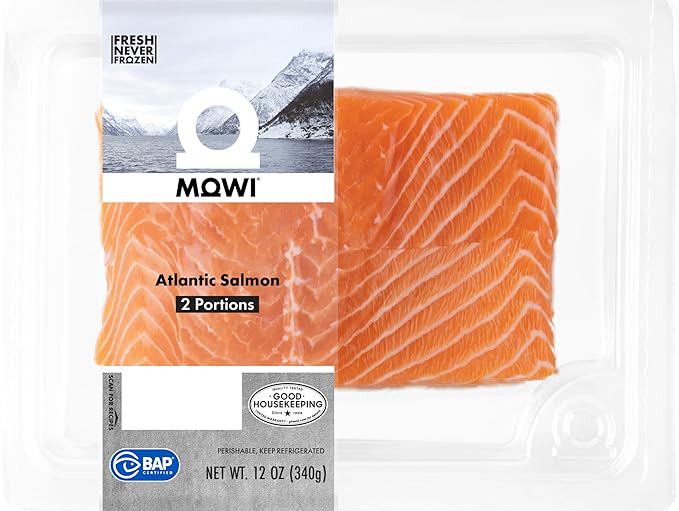
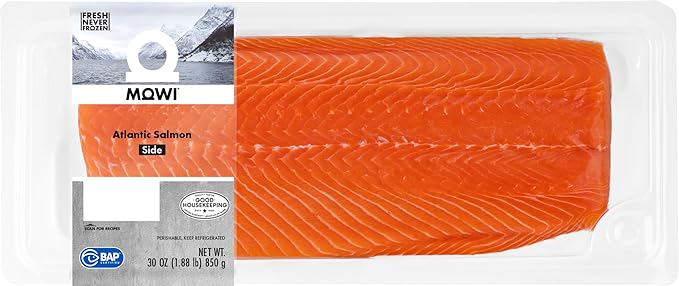
Your sleep tracker’s HRV reading is a window into your nervous system. Higher night-time HRV usually correlates with better recovery. Omega-3 fatty acids, particularly EPA and DHA found in salmon, mackerel, and sardines, are known to support heart rate variability and lower inflammation.
Participants in a 2014 study who ate Atlantic salmon three times a week over six months fell asleep faster and reported better daily functioning compared to those who ate chicken, beef, or pork. The vitamin D content might play a role too—low levels of D are linked to shorter sleep duration. For evening meals, aim for a baked or grilled serving rather than a heavy, fried preparation. A lighter evening protein works in your tracker’s favor by avoiding the long digestive burndown that can keep your heart rate elevated.
4. Walnuts
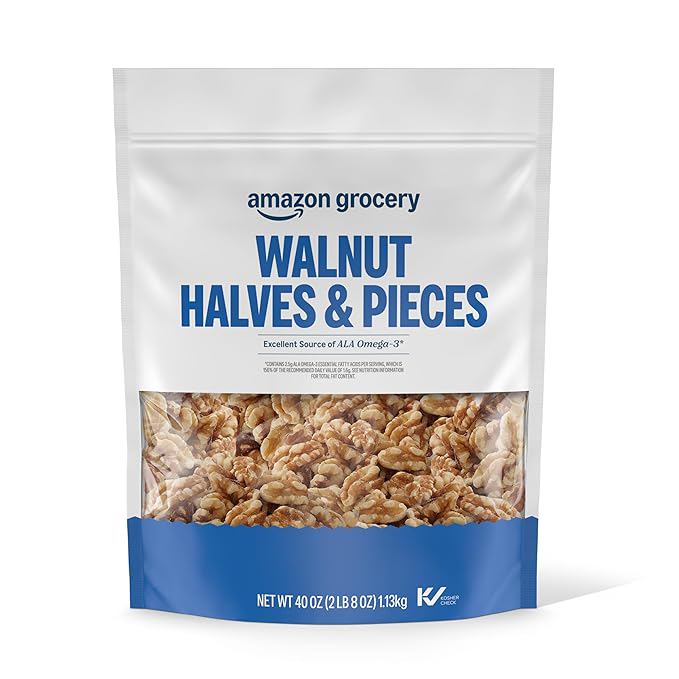
Walnuts are a triple threat for sleep tracking enthusiasts: they contain melatonin, healthy fats, and magnesium. Magnesium helps regulate GABA, a neurotransmitter that calms nervous system activity. When your tracker detects less movement and a stable heart rate overnight, adequate magnesium levels are likely part of the picture.
A small handful of walnuts (about a quarter cup) makes a simple evening snack. Try pairing them with a quarter of a banana for additional potassium. Coconut oil ads have made trendy sleep potions popular, but walnuts deliver their benefits in a whole-food form that also supports brain health. Just do not let the portion creep up—more than a handful can turn into unnecessary calories and potential GI disruption overnight.
5. Turkey (or Chicken)
The classic Thanksgiving nap narrative has some real science behind it. Turkey contains L-tryptophan, an essential amino acid the body converts into serotonin and then melatonin. The amount of tryptophan in a typical serving of turkey is not strong enough to cause instant drowsiness, but when eaten as part of a balanced evening meal, it can contribute to better sleep architecture over consecutive nights.
Your sleep tracker might not care about tryptophan directly, but it will register the downstream effects: fewer night wakings and slightly longer periods of deep sleep. Try incorporating a modest portion of lean turkey or chicken into dinner two to three times per week. The protein also keeps your blood sugar stable overnight, which prevents mid-sleep cortisol spikes that wreck your score.
6. Leafy Greens (Spinach and Kale)
Your sleep tracker's movement sensor records restlessness. When muscles feel heavy and relaxed instead of twitchy, your score typically rises. Leafy greens are excellent sources of magnesium and calcium, two minerals that work together to support muscle relaxation and nerve function.
A magnesium deficiency is associated with insomnia and light, fragmented sleep. A simple evening salad or a bowl of steamed spinach can increase your intake without overfilling your stomach. For best results with your tracker, time your last real meal two to three hours before bed. If you must snack closer to sleep, a small portion of greens with a little olive oil is unlikely to spike your heart rate or cause discomfort. One pattern tracker users often miss: a magnesium-rich dinner often correlates with a lower average heart rate overnight, which directly improves the recovery sub-score on many devices.
None of these foods are magic bullets. Your sleep tracker is looking at the full body scorecard—room temperature, evening screen time, stress levels, hydration, and consistency of your bedtime routine all matter. But adding two or three of these foods to your weekly meal rotation can tilt the numbers in your favor over the course of a month. Pay attention to how your tracker reads the nights following each food. Those personal data points are the most relevant guide for your body.
Small, steady inputs produce the most reliable sleep scores. Over time, the needle on your sleep tracker will move, and the morning review will feel less like a mystery and more like a system you actually understand.