
For the millions who work outside the traditional nine-to-five, the body’s natural sleep-wake rhythm—the circadian rhythm—isn’t just out of sync; it’s often fighting against the demands of the job. While light exposure and a consistent schedule are foundational, what you eat, and when you eat it, can serve as a powerful secondary signal to your internal clock. Certain foods contain compounds that gently nudge your biology, helping to promote alertness when you need it or encouraging restful sleep when it’s finally time to wind down.
Think of it not as a magic fix, but as nutritional support for a body operating on an unconventional timetable. The goal is to use food strategically to reinforce your desired sleep cycle, making the transition between shifts a little smoother and your rest a little deeper.
How Food Influences Your Internal Clock
Your circadian rhythm is governed by a master clock in the brain, but nearly every organ has its own peripheral clock. These clocks are set by primary cues like light and darkness, but they also respond to secondary cues, known as zeitgebers. Meal timing is one of the most potent of these secondary cues.
Eating at consistent times, aligned with your *awake* period, helps train your body’s peripheral clocks in the liver, gut, and muscles to expect activity. Conversely, eating large, heavy, or stimulating meals during your designated *sleep* period sends conflicting signals, confusing your internal systems. Beyond timing, specific nutrients in food can influence the production of sleep-regulating hormones like melatonin and serotonin, or provide sustained energy without the crash that disrupts rest later.
The goal isn’t just to fall asleep, but to align your body’s entire metabolic rhythm with your life.
Foods to Support Your Sleep Reset
These foods are best incorporated into your eating schedule during the hours leading up to your main sleep period, or as part of a winding-down routine. They work with your biology, not against it.
Tart Cherries and Tart Cherry Juice
Among the most researched foods for sleep support, tart cherries (like Montmorency) are one of the few natural food sources of melatonin, the hormone that directly regulates sleep onset. They also contain anti-inflammatory compounds that may support recovery. For a shift worker, a small glass of unsweetened tart cherry juice in the evening before your targeted bedtime can provide a gentle, natural signal that it’s time to prepare for rest.
Fatty Fish
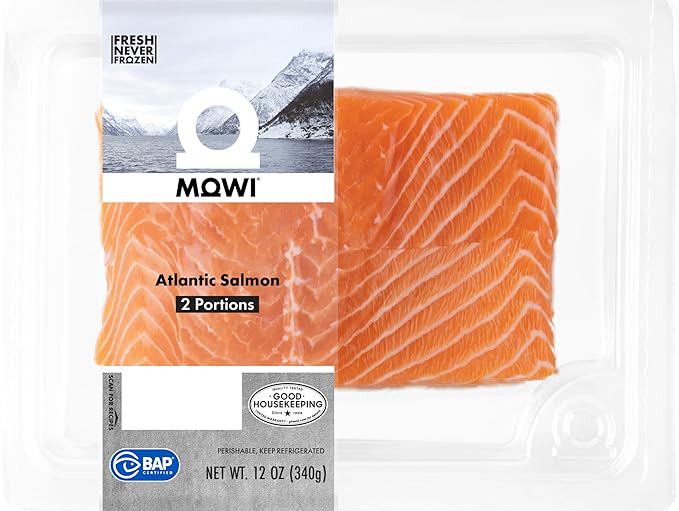
Salmon, mackerel, and sardines are rich in vitamin D and omega-3 fatty acids. Both nutrients play a role in the body’s regulation of serotonin, a neurotransmitter that is a precursor to melatonin. Furthermore, the anti-inflammatory effects of omega-3s may improve sleep quality. A dinner featuring fatty fish a few hours before bed can be a doubly beneficial choice, providing satiating protein and sleep-supportive nutrients.
Kiwi
This small, fuzzy fruit has emerged as a surprising sleep aid in clinical studies. Kiwis are loaded with antioxidants, folate, and serotonin. Eating one or two kiwis about an hour before bed has been associated with falling asleep faster and sleeping more soundly. They’re an easy, portable snack to have on hand during a shift or as part of a pre-sleep wind-down.
Complex Carbohydrates
Foods like oatmeal, sweet potatoes, and whole-grain bread help the brain utilize tryptophan, an amino acid needed to produce serotonin and melatonin. When paired with a small amount of protein (like a sprinkle of nuts on oatmeal), they can promote a steady release of energy and support the biochemical pathway to sleep. A small bowl of oatmeal or a slice of whole-grain toast can be a perfect, light pre-sleep meal that satisfies hunger without overtaxing digestion.
Almonds and Walnuts
Almonds contain both melatonin and magnesium, a mineral that plays a key role in muscle relaxation and nervous system calm. Walnuts are another source of melatonin and healthy fats. A small handful of either nut as an evening snack provides a mix of protein, healthy fat, and sleep-supportive nutrients that can help you feel settled.
Herbal Teas (Chamomile, Passionflower, Valerian Root)
While not a food, a warm, non-caffeinated herbal tea is a cornerstone of a sleep hygiene ritual. Chamomile contains apigenin, an antioxidant that may promote calmness. Passionflower and valerian root have long been used in traditional medicine to ease anxiety and support sleep. The act of sipping a warm tea itself is a behavioral cue that signals the start of your wind-down period, making the nutritional effect even more powerful.
Timing and Practical Strategies for Shift Workers
Knowing what to eat is only half the battle; the *when* is critical for resetting a cycle.
- Anchor Your “Morning”: Have your first substantial meal shortly after you wake up for your “day,” even if that’s at 6 PM. This meal should include protein and complex carbs to signal the start of your active period.
- Wind Down with Carbohydrates: As your sleep window approaches, shift towards lighter meals with a focus on complex carbohydrates and sleep-supportive foods like kiwi or tart cherries.
- Avoid Heavy Meals Before Sleep: Give yourself at least 2-3 hours to digest a main meal before lying down. A heavy, greasy meal can cause discomfort and indigestion, making sleep elusive.
- Limit Stimulants Strategically: Caffeine has a long half-life. Set a personal cutoff time—for example, no caffeine in the 6-8 hours before your planned bedtime.
- Stay Hydrated, But Mindfully: Drink plenty of water during your active hours, but taper off as bedtime nears to minimize disruptive nighttime trips to the bathroom.
Consistency is your greatest ally. Even on your days off, try to keep your eating times relatively aligned with your shift schedule to prevent your body clock from swinging back and forth, a phenomenon sometimes called “social jet lag.”
Foods and Habits to Approach with Caution
Just as some foods can help, others can actively hinder your reset efforts. Be mindful of:
- High-Sugar Foods and Refined Carbs: They can cause a rapid spike and crash in blood sugar, potentially leading to wakefulness during your sleep period.
- Alcohol: While it may induce initial drowsiness, alcohol significantly fragments sleep architecture, reducing restorative deep sleep and REM sleep.
- Large Amounts of Dark Chocolate: It contains caffeine and theobromine, both stimulants. A small square is fine, but more could interfere with sleep onset.
- Spicy or Acidic Foods: For some people, these can trigger heartburn when lying down, disrupting sleep.
Resetting your sleep cycle is a holistic process. Food is a powerful, accessible tool within that process, working alongside controlled light exposure, a dark and cool sleep environment, and a consistent routine. By choosing and timing your meals with intention, you give your hard-working internal clock the clear signals it needs to find its new rhythm.