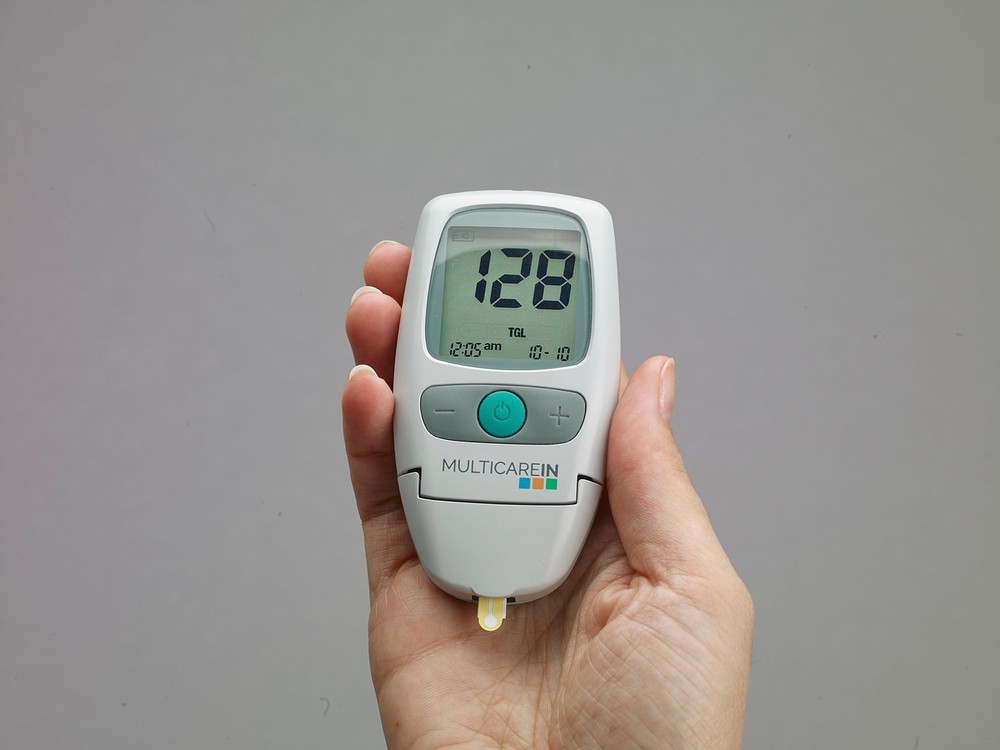
Living with diabetes often means walking a tightrope between blood sugar spikes and dangerous lows. While many resources focus on what to avoid, the other side of the coin is just as critical: knowing what to eat to keep your glucose steady, especially when medication like insulin or sulfonylureas is part of your daily routine. Hypoglycemia—when blood sugar dips below 70 mg/dL—can feel sudden and frightening, with symptoms ranging from shakiness and sweating to confusion. One of the most effective ways to build a safety net against these lows is to choose the right foods.
The foods on this list aren't just “safe” for diabetes; they are specifically selected for their ability to provide slow-release energy or stabilize blood sugar in the hours after a meal. They work well alongside medication by offering a buffer against the glucose-lowering action of your treatment. If you are managing diabetes on medication, these six foods deserve a spot in your regular rotation.
1. Steel-cut oats
Oatmeal is a breakfast classic, but the type you choose matters immensely. Steel-cut oats have a lower glycemic impact compared to instant oats or heavily processed cereals. Their intact grain structure means your digestive system has to work harder to break them down, leading to a slow, steady release of glucose into your bloodstream. This gradual energy helps prevent the mid-morning crash that can catch people off guard, especially if you take insulin before breakfast. To add another layer of stability, cook your oats with milk (instead of water) and top with a tablespoon of unsalted peanut butter for fat and protein.
2. Nuts and nut butters
Almonds, walnuts, and peanuts are small but mighty hypoglycemia prevention tools. They contain a strong combination of healthy unsaturated fats, protein, and fiber—all of which blunt the speed at which your body absorbs sugar from other foods. A handful of nuts as an afternoon snack or a thin layer of unsweetened peanut butter on whole-grain toast can provide several hours of steady energy. Because nuts don't rely on insulin for metabolism, they won't push your blood sugar up sharply, which reduces the chance of a reactive low later in the day. For best results, choose dry-roasted or raw varieties without added sugar or salt.
3. Eggs
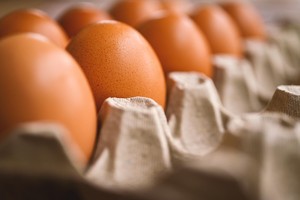
Eggs are a near-perfect protein source for blood sugar management. They contain almost zero carbohydrates, meaning they have an extremely low glycemic effect on their own. When you pair eggs with a small amount of a complex carbohydrate—like a slice of whole-grain toast or a sweet potato—the protein content moderates how fast that carb hits your bloodstream. This balance is especially useful for breakfast or a late-evening meal, times when medication can still be active in your system. A simple scramble or a hard-boiled egg can serve as a reliable anchor for a meal that helps you avoid dips.
4. Lentils and beans
Legumes like lentils, chickpeas, black beans, and kidney beans are rich in a special type of carbohydrate called resistant starch. Resistant starch resists digestion in the small intestine and moves to the colon, where it acts more like a fiber than a pure carb. This means that the calories in beans do not spike your blood sugar in the way that rice or bread might. Instead, they provide a low-and-slow fuel supply that can last for four to six hours. For anyone taking long-acting insulin or evening medication, adding a half-cup of cooked lentils to soup, salad, or a grain bowl can be a strategic way to prevent a fasting-related low overnight.
A simple rule of thumb: if you are eating something starchy, pair it with a lean protein or healthy fat. This one habit can dramatically reduce the chances of a hypoglycemic episode.
5. Berries
Fresh or frozen strawberries, blueberries, raspberries, and blackberries offer sweetness without the blood sugar volatility of tropical or dried fruits. Berries are exceptionally low on the glycemic index for a few reasons: They are packed with soluble fiber (pectin), their sugar content is relatively low per volume, and they contain polyphenols that have been shown in some studies to inhibit the absorption of sugar. A one-cup serving of raspberries contains about 8 grams of fiber and only 5 grams of natural sugar. For someone managing diabetes, a handful of berries can satisfy a sweet craving while providing that critical fiber buffer. Add them to yogurt, oatmeal, or eat them alone as a gentle snack that won't cause a dramatic drop.
6. Fatty fish
Salmon, mackerel, and sardines are more than just sources of omega-3 fatty acids. These fish provide high-quality, complete protein and are virtually carb-free, which means they have an extremely minimal impact on blood sugar. More importantly, the anti-inflammatory benefit of omega-3s may improve your body's sensitivity to insulin over time, making the whole system run more smoothly. While this is a long-term effect, the immediate benefit in a meal context is that fish replaces high-carb or high-sugar options. A grilled salmon fillet with a side of roasted broccoli and a small sweet potato is a dinner that provides lasting fullness and reliable blood sugar stability throughout the night.
Managing diabetes on medication is a balancing act that requires planning, but you do not have to live in fear of lows. The overarching strategy is to consistently pair carbohydrates with protein, fiber, or fat. By rotating these six foods into your meals and snacks, you give your body the steady fuel it needs to stay above the danger zone. Always consult your healthcare team before making significant changes to your diet, especially if you are on insulin or other glucose-lowering medications. Your diet is a powerful tool—keep these foods in your pantry, and they will help keep your numbers out of the red.