
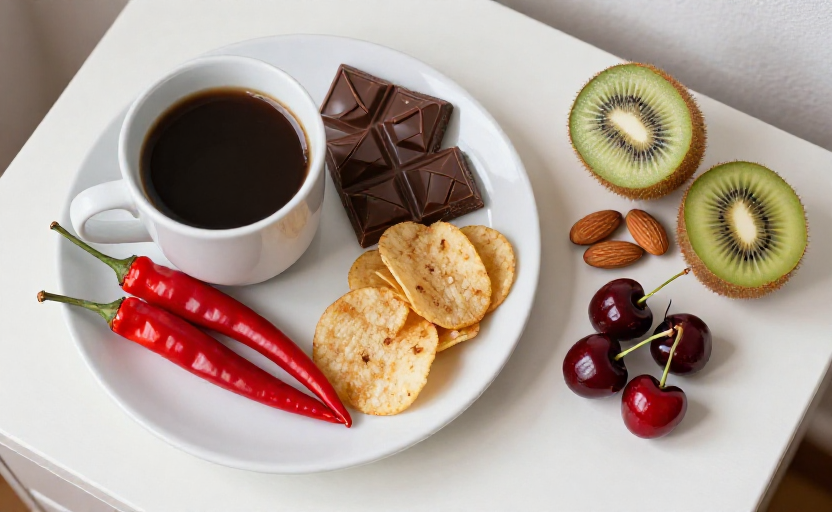
You’ve dimmed the lights, put your phone away, and settled into a comfortable routine, yet sleep remains elusive. As we get older, the relationship between what we eat and how we sleep often becomes more pronounced. Subtle shifts in metabolism, digestion, and even our circadian rhythms can make us more sensitive to foods that never seemed to cause a problem before.
It’s not about labeling foods as ‘bad,’ but rather understanding how certain choices, especially later in the day, can send signals that conflict with your body’s natural wind-down process. Here’s a closer look at six common dietary culprits that dietitians note can quietly chip away at sleep quality with age, and what to consider instead.
Why Does Aging Change How Food Affects Sleep?
Several natural changes make us more susceptible to sleep disruptions from our diet. Metabolism slows, meaning food and beverages may stay in your system longer. Production of melatonin, the sleep-regulating hormone, often decreases. Many also experience a natural decline in stomach acid and slower digestion, which can make heavy or spicy meals more problematic at night. Add in a potentially more sensitive bladder, and that evening cup of tea takes on new significance.
The goal isn’t perfection, but awareness. A small, thoughtful adjustment to your evening routine can make a profound difference in how you rest.
Foods and Drinks That May Interfere With Rest
1. High-Sugar Snacks and Desserts
That bowl of ice cream or handful of cookies before bed might feel like a comforting reward, but it can set off a cycle that disrupts sleep. A surge of refined sugar can cause a rapid spike and subsequent crash in blood sugar levels. This rollercoaster can trigger the release of cortisol, a stress hormone that promotes alertness, potentially waking you up in the middle of the night as your blood sugar dips.
Consider this: If you want something sweet, try pairing a small amount of natural sugar with protein or fat—like a few berries with a spoonful of plain yogurt or a square of dark chocolate with a handful of nuts—to help stabilize the response.
2. Caffeinated Beverages (Later in the Day)
This one seems obvious, but the nuance matters more as you age. Caffeine’s half-life—the time it takes for your body to clear half of it—can lengthen. A coffee at 3 p.m. might still be significantly impacting your system at 10 p.m. Beyond coffee, be mindful of hidden sources: black tea, green tea, many sodas, and even dark chocolate.
Tip: Experiment with a ‘caffeine curfew.’ If sleep is troubled, try moving your last caffeinated drink to before noon and observe any changes over a week.
3. Alcohol
While a nightcap might bring initial drowsiness, alcohol is a known sleep fragmenter. It suppresses REM sleep, the deeply restorative stage, and can lead to more frequent awakenings, especially in the second half of the night. As the body processes the alcohol, it can also cause dehydration and increased trips to the bathroom.
4. Heavy, High-Fat Meals
Digesting a large, rich meal requires significant energy and can keep your core body temperature elevated. For sleep to initiate smoothly, your core temperature needs to drop slightly. Lying down with a very full stomach can also exacerbate acid reflux or heartburn, making it uncomfortable to settle.
Aim for your largest meal earlier in the day and opt for a lighter, well-balanced dinner at least 2-3 hours before bedtime.
5. Spicy Foods
Capsaicin, the compound that gives chili peppers their heat, can interfere with sleep in two ways. First, it may raise body temperature. Second, and more commonly, it can trigger or worsen indigestion and acid reflux when lying down. This discomfort is a direct barrier to falling and staying asleep.
6. Salty, Processed Foods
Excess sodium can lead to dehydration and fluid retention. Your body may work to correct this balance overnight, potentially leading to thirst, dry mouth, and increased nighttime urination—all of which interrupt sleep continuity. Be mindful of salty snacks, canned soups, processed meats, and fast food in the evening.
Cultivating a Sleep-Supportive Evening Routine
Focusing on what you can add is often more sustainable than fixating on restrictions. A gentle evening nutrition approach emphasizes balance and timing.
- Prioritize consistency: Try to eat dinner around the same time each evening to regulate your body’s digestive clock.
- Build a balanced plate: Include a mix of complex carbohydrates (like sweet potato, quinoa, or oats), lean protein, and healthy fats. This combo supports steady blood sugar and the production of sleep-supportive neurotransmitters.
- Incorporate sleep-promoting nutrients: Foods containing magnesium (leafy greens, nuts, seeds), potassium (bananas, avocados), and natural melatonin sources (tart cherries, kiwi) can be helpful additions.
- Hydrate wisely: Shift the majority of your fluid intake to earlier in the day, tapering off in the two hours before bed to minimize disruptions.
Listen to your body. If you suspect a particular food is affecting your sleep, try eliminating it for a few nights and see if you notice a difference. The connection between your plate and your pillow is deeply personal, and a bit of mindful experimentation can reveal what works best for you.