
Social events can stir up a familiar kind of tension—your heart races, your palms get clammy, and the thought of small talk feels overwhelming. While therapy, breathing exercises, and lifestyle habits are the standard toolkit for managing social anxiety, the food you eat in the hours before an event can also play a subtle but real role in how steady you feel.
Certain foods contain nutrients that support the nervous system, help regulate cortisol (the stress hormone), and promote a sense of calm without making you drowsy. Here are six science-backed foods to consider adding to your pre-event routine if you deal with common social anxiety triggers.
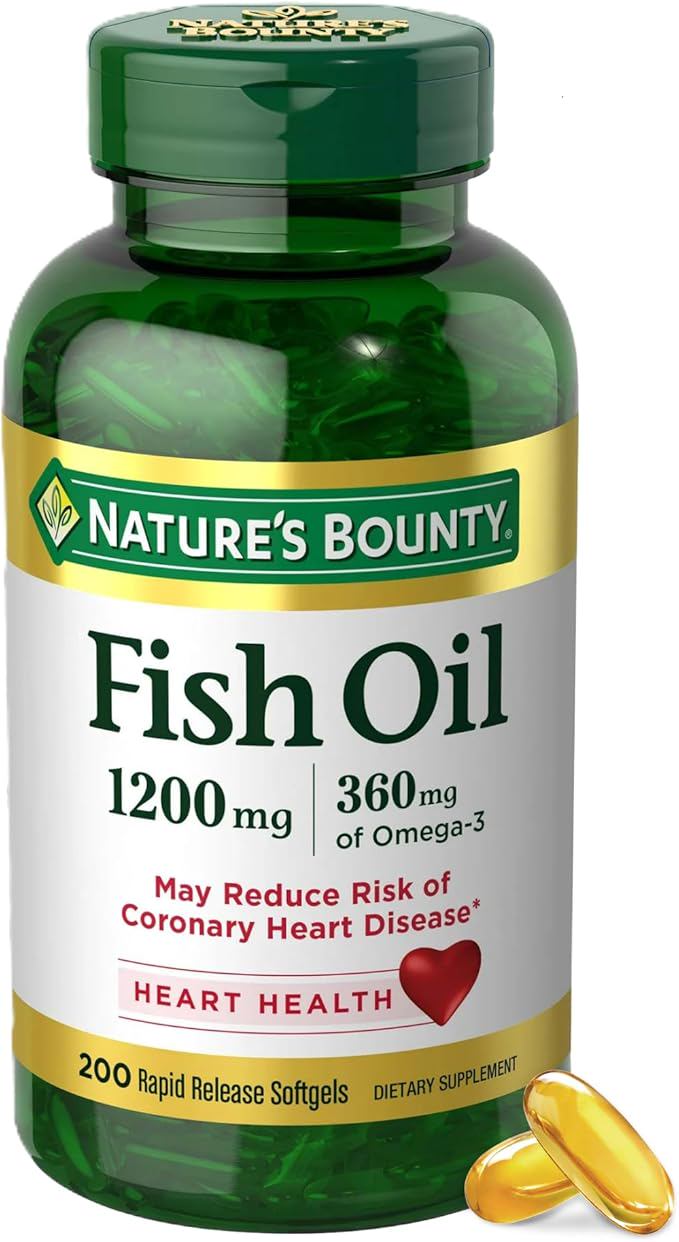
1. Fatty fish (salmon, mackerel, sardines)
Fatty fish are rich in omega-3 fatty acids, particularly EPA and DHA. These fats are essential for brain health and have been shown to reduce inflammation and support neurotransmitter function. A 2018 study in JAMA Network Open found that omega-3 supplementation helped reduce anxiety symptoms in medical students. Another meta-analysis of 19 clinical trials concluded that omega-3s have a moderate but consistent anxiety-reducing effect. For pre-event calm, a small serving of salmon or sardines a few hours before can help stabilize your mood.
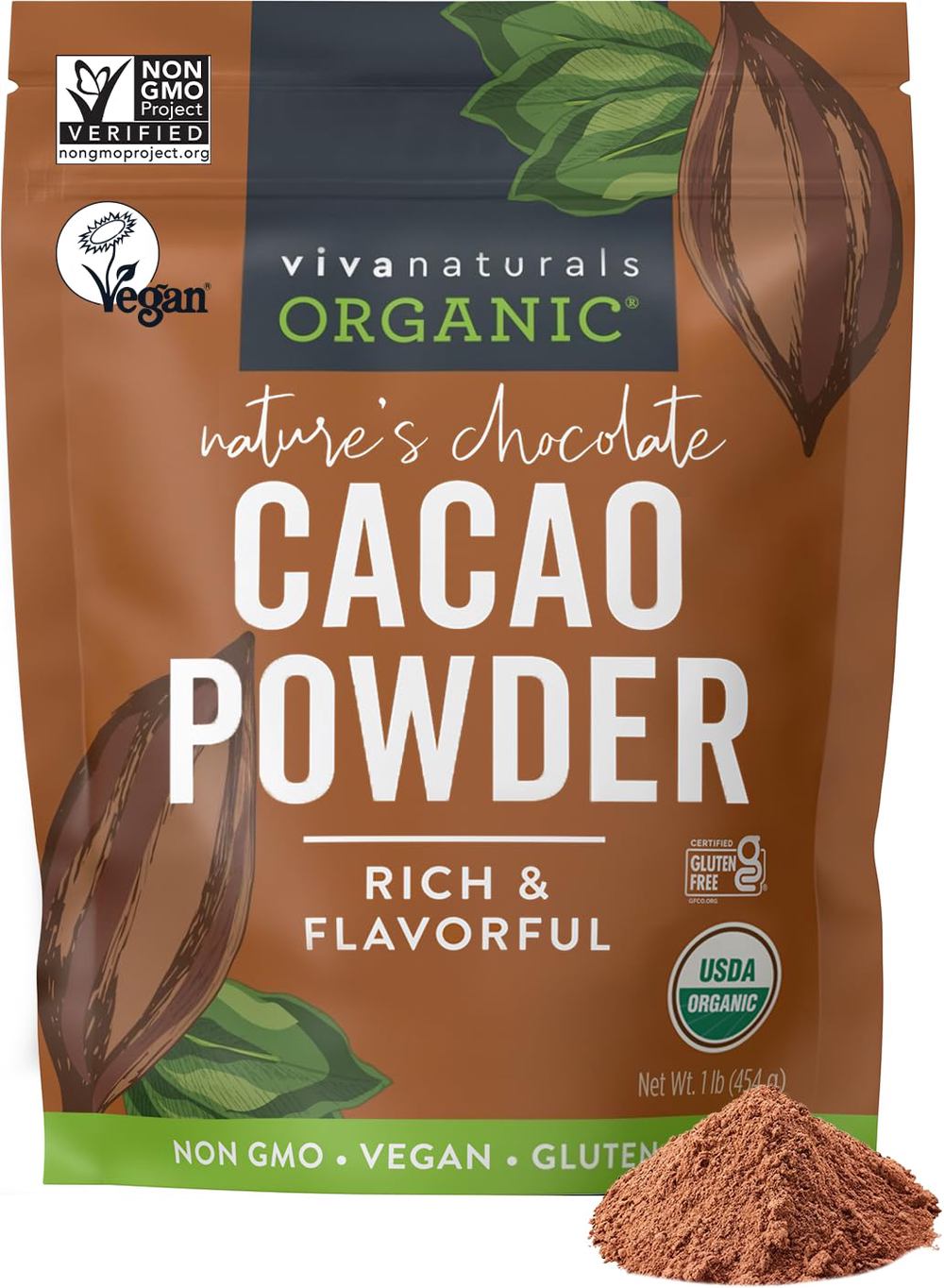
2. Dark chocolate (70% cacao or higher)
Dark chocolate is more than a treat—it's a source of magnesium, flavonoids, and small amounts of theobromine. Magnesium is sometimes called the "calming mineral" because it helps regulate the HPA axis, which controls your stress response. A 2019 study in the International Journal of Health Sciences found that magnesium supplementation reduced cortisol levels and improved anxiety ratings. A square or two of quality dark chocolate about an hour before an event may gently ease nervous tension.
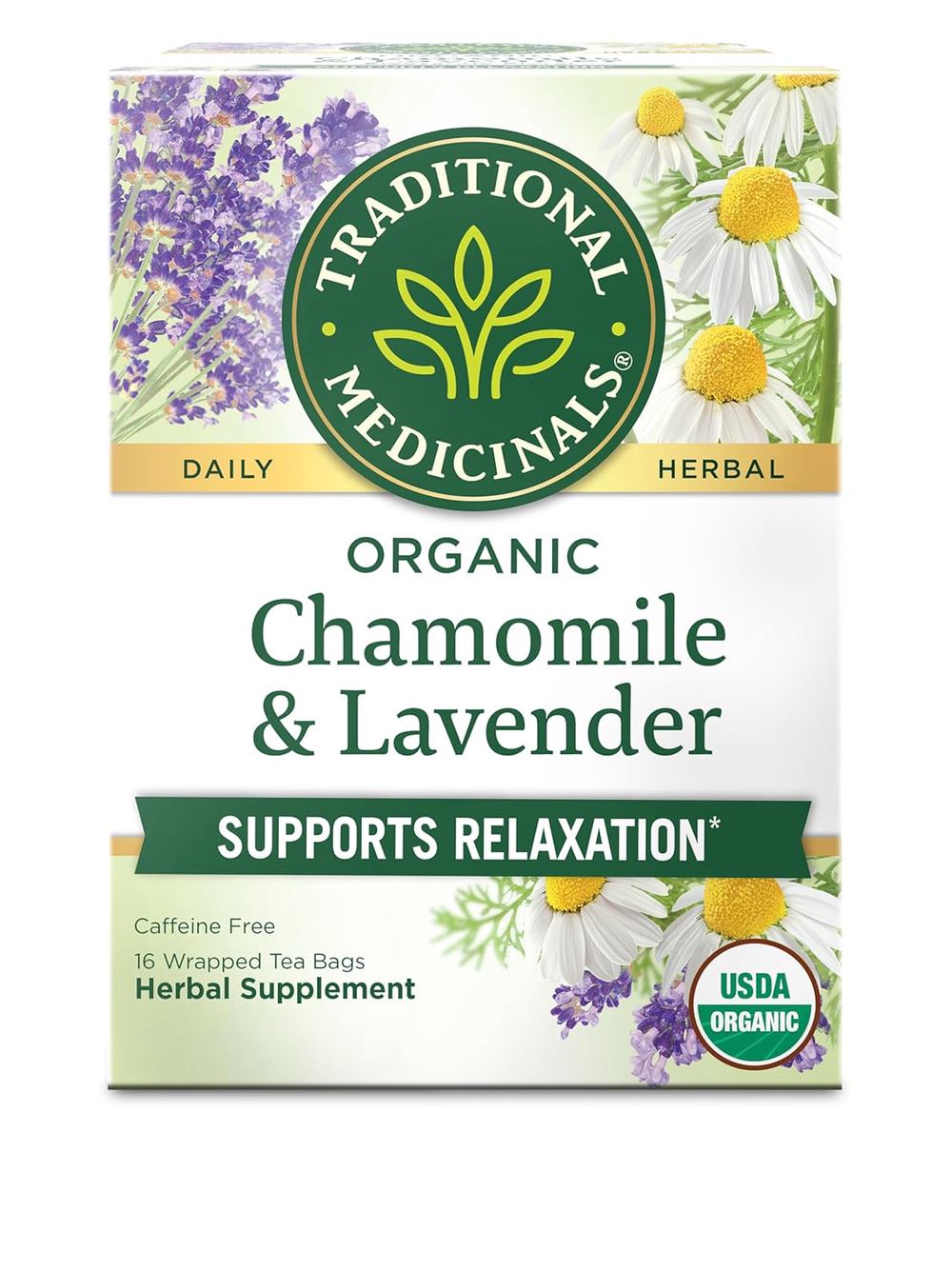
3. Chamomile tea
Chamomile has a long folk reputation as a mild sedative, and research backs it up. A 2016 randomized, double-blind, placebo-controlled trial in Phytomedicine found that long-term chamomile extract significantly reduced moderate-to-severe generalized anxiety symptoms. While chamomile isn't a fast-acting medication, sipping a warm cup about 30–45 minutes before you head out can create a ritual of calm and deliver subtle anti-anxiety compounds like apigenin that bind to GABA receptors in the brain.
4. Fermented foods (yogurt, kefir, sauerkraut, kimchi)
The gut-brain axis is a well-established pathway linking your digestive health to your mood. Fermented foods contain live probiotics that support a healthy gut microbiome. A 2015 study in Gastroenterology found that women who ate a serving of probiotic yogurt twice daily for four weeks had reduced brain activity in regions associated with anxiety and stress when shown fearful faces. For social-event prep, a small bowl of plain yogurt with berries or a forkful of sauerkraut as part of a pre-event meal may help tone down the gut jitters.
5. Green tea (especially L-theanine-rich varieties)
Green tea contains the amino acid L-theanine, which promotes alpha brain waves associated with a state of "alert calm." Unlike caffeine alone, L-theanine buffers the jittery side effects of caffeine and can improve focus without the crash. A 2019 systematic review in the Journal of Herbal Medicine noted that L-theanine at doses around 200–400 mg significantly reduced subjective stress and anxiety in human trials. A cup of high-quality matcha or sencha an hour before your event might take the edge off while keeping you clear-headed.
6. Complex carbohydrates (oats, quinoa, sweet potatoes)
Carbohydrates often get a bad rap, but complex carbs are your nervous system's ally. They help your body produce serotonin—the neurotransmitter that regulates mood and promotes a sense of well-being. A 2016 study in the American Journal of Clinical Nutrition found that diets higher in complex carbohydrates were associated with lower levels of depression and anxiety over time. A bowl of oatmeal or a small sweet potato a couple of hours before a social event can provide steady blood sugar and a mild, natural lift in mood.
A note from the editor: These foods can support a sense of calm, but they are not treatments for clinical anxiety. If social anxiety significantly interferes with your daily life, please consult a mental health professional for a personalized plan.
No single food will erase social anxiety, and you should never skip professional care in favor of diet alone. But when you're already doing the deeper work—therapy, medication if needed, breathing practice—the food on your plate can quietly tip the balance in your favor. Experiment with these options and notice how your body responds. A calmer stomach often leads to a calmer mind.