You might think you’re just a restless sleeper. Maybe you’ve always needed a nightlight, or you can’t fall asleep without the TV on. Perhaps you wake up at 3 a.m. like clockwork, mind already racing. These patterns feel normal after a while — just part of your routine. But if you look closer, some sleep habits are actually quiet signals from your nervous system. They can be early signs that anxiety is running the show, even when you feel calm during the day.
Here are five sleep habits that can mask an anxiety disorder, and what it means if they sound familiar.
1. You Can’t Fall Asleep Without Background Noise
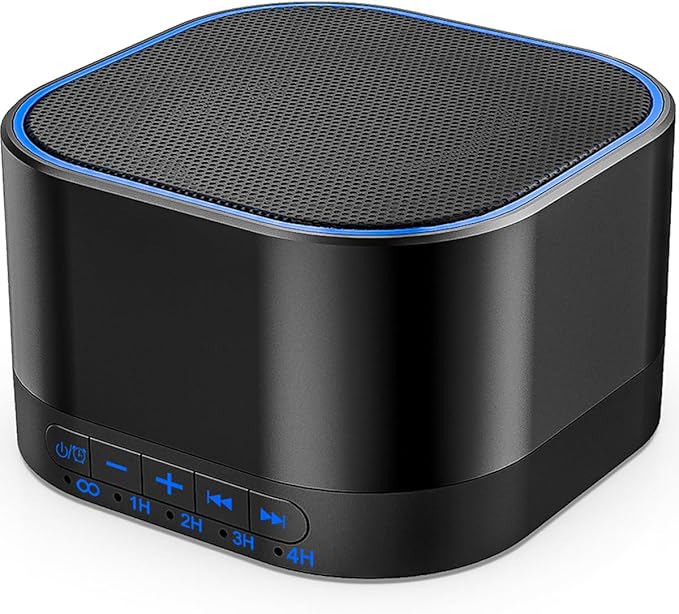
Lots of people use white noise or a fan. That’s not what we’re talking about here. This is the need for a podcast, a true-crime show, or a familiar audiobook — something that keeps your brain distracted. If silence feels unsettling, like something bad might surface, that’s often a sign of anticipatory anxiety. Your mind is trying to outrun its own thoughts by keeping them occupied. The problem? You never get the quiet mental space your brain needs to power down.
2. You Wake Up Between 2 and 4 a.m. and Can’t Fall Back Asleep
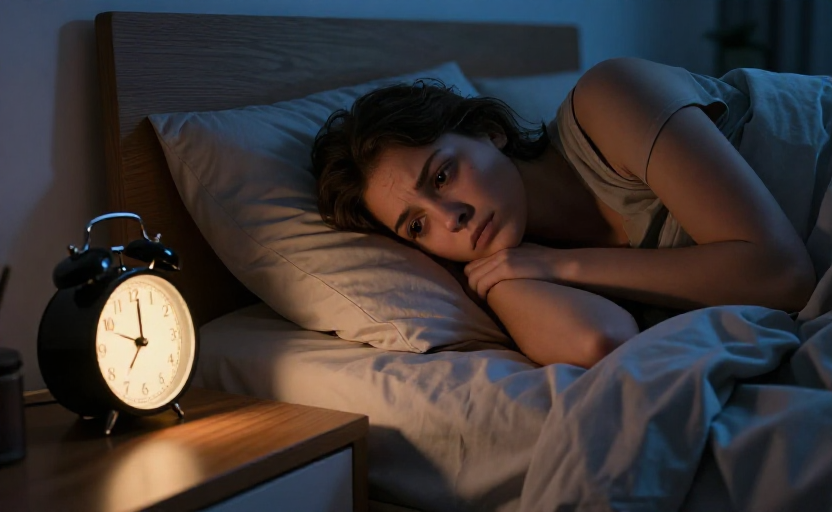
There’s a reason this is called “anxiety hour.” Your cortisol naturally rises in the early morning to help you wake up. But if your baseline stress is already high, that spike can jolt you awake — and your brain latches onto whatever worry is closest. You might lie there going over a conversation from three years ago or planning tomorrow’s schedule in nauseating detail. If this happens most nights, your sleep architecture is being interrupted by a hyperactive stress response.
Waking at the same time every night with a racing mind is not insomnia — it’s a sign your nervous system is on high alert.
3. You Sleepwalk Through Exhaustion, But Don’t Actually Recover
This one is tricky. You fall asleep immediately, you stay asleep for eight hours, and you still wake up tired. That’s not deep, restorative sleep — it’s collapse. When anxiety is high, your body can spend the night in a light, vigilant state. You’re getting the hours, but you’re not getting the slow-wave sleep or REM cycles that repair your brain. If you feel like you’re running on a low battery every morning, your sleep may be masking chronic hyperarousal.
4. You Check the Clock Repeatedly During the Night
A quick glance at the time is normal. But if you find yourself doing mental math — “If I fall asleep right now, I’ll get four hours and 17 minutes” — you’ve crossed into performance anxiety about sleep itself. This creates a feedback loop: you worry about not sleeping, which raises cortisol, which keeps you awake, which makes you worry more. The habit masks the underlying issue by focusing on the clock instead of the fear driving the behavior.
5. You Only Feel Safe Sleeping with a Partner or Pet in the Room
Preference is one thing; inability to sleep alone is another. If you genuinely feel unsafe or panicky without someone else nearby, that’s not a quirk — it’s a reliance on external soothing because your internal soothing system isn’t regulating. Anxiety can make the body feel physically threatened when it’s alone at night. This habit can hide the disorder because it looks like closeness or attachment, when it’s really a coping strategy for unprocessed fear.
What to Do If These Habits Sound Familiar
Recognizing these patterns is not a diagnosis — it’s a clue. If you see yourself in more than one or two, consider talking to a therapist who specializes in anxiety or sleep. Cognitive behavioral therapy for insomnia (CBT-I) and anxiety-focused approaches can help you untangle the loop. Small steps like setting a consistent wind-down routine, writing down worries before bed, or practicing a body scan can also help. The goal is not to fix your sleep overnight — it’s to understand what it’s telling you.
When you start treating the anxiety instead of just the sleep habit, rest often comes more naturally.