
You started taking a natural sleep supplement to get better rest, but lately you're dragging through the day. Your morning coffee barely helps, and by 2 p.m. you're fighting the urge to nap at your desk. The irony isn't lost on you: the very thing you take to sleep better might be making you tired during the day.
Natural sleep aids—melatonin, magnesium glycinate, valerian root, lavender, and others—are widely considered safer than prescription options, but they're not free of side effects. Daytime drowsiness is one of the most common complaints, yet many people don't connect their afternoon slump to the capsule they took the night before. Here are five signs that your natural sleep supplement could be the culprit.
1. You feel groggy for hours after waking
A healthy sleep cycle should leave you feeling refreshed after 7–9 hours. If you're waking up with a lingering fog that takes two or more hours to clear, the supplement you took may have a long half-life. Half-life is how long it takes for your body to eliminate half the substance. Melatonin, for example, has a half-life of 20 to 40 minutes, but some time-release formulas or high doses can keep active levels in your system well into the morning.
Other common culprits include:
- Valerian root—can cause morning grogginess, especially at higher doses.
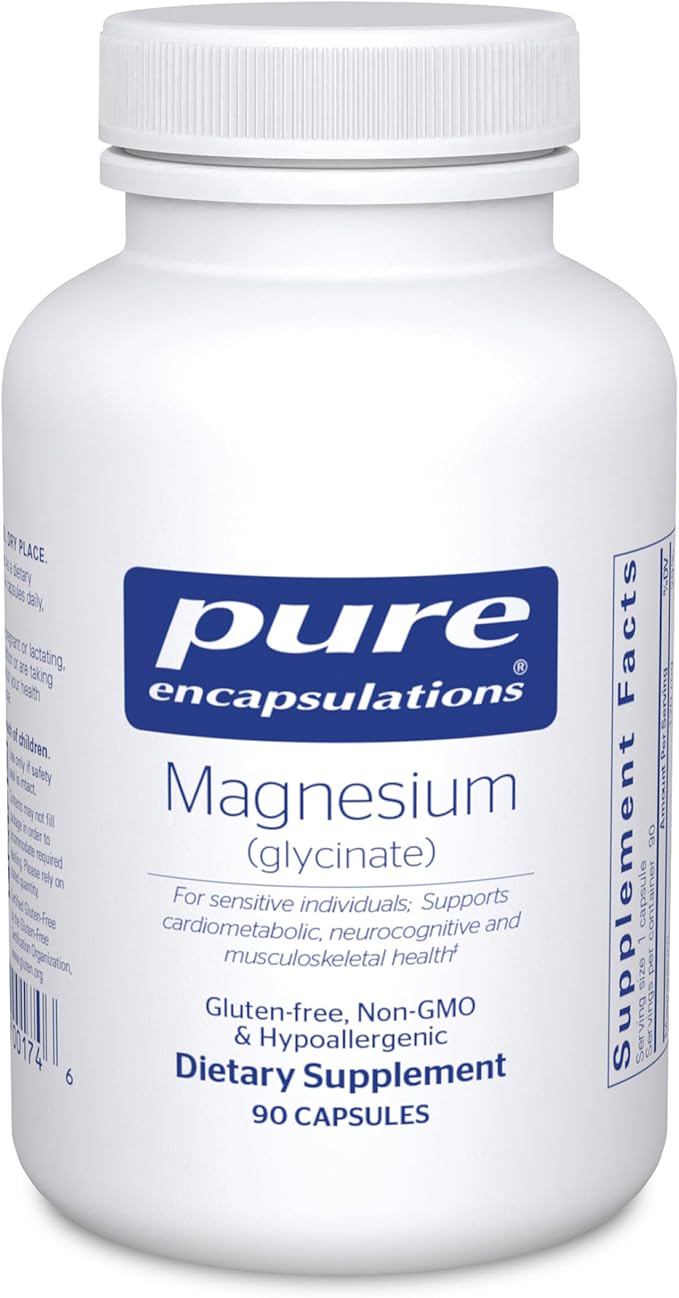
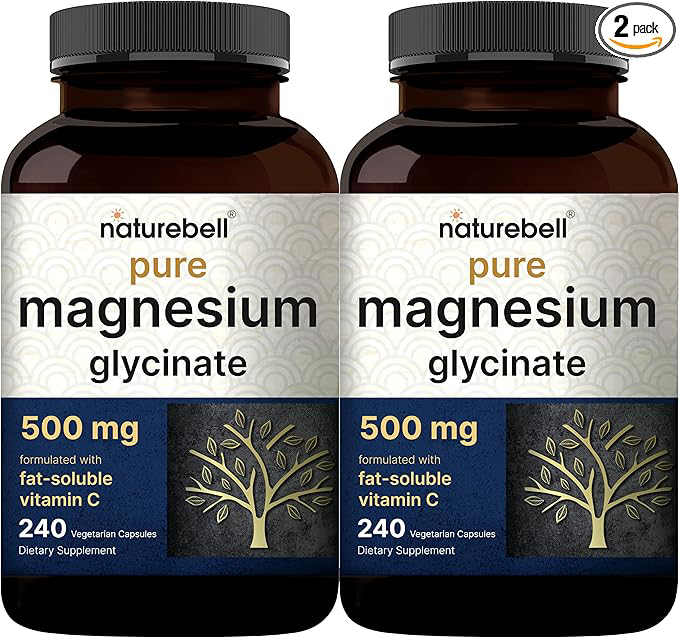
- Magnesium glycinate—while generally gentle, some people report drowsiness lasting into the next day.
- 5-HTP—a precursor to serotonin that can alter sleep architecture and leave you groggy.
If you're consistently hitting snooze and still waking up tired, check the half-life of your supplement's active ingredients.
2. Your reaction time feels slower during the day
Daytime drowsiness isn't just about feeling sleepy—it shows up in your performance. You might notice you're more clumsy, your typing has more typos, or you have to read a sentence twice to understand it. This is a classic sign of residual sedation, a side effect shared by many natural sleep aids.
Melatonin supplements, for instance, have been shown to impair performance on tasks requiring alertness for up to 6 hours after taking them. That means if you take your pill at 10 p.m. and have a morning meeting with a traffic commute in between, your decision-making may still be slightly dulled. Some antihistamine-based sleep aids, such as diphenhydramine or doxylamine—sometimes included in natural blends—are even longer-lasting.
3. You need more caffeine than usual to feel awake
A jump in your daily caffeine intake is often a coping mechanism for hidden drowsiness. If you used to be fine with one cup of coffee but now need three, or if you're reaching for energy drinks in the afternoon, it's worth examining your nighttime routine.
This cycle can become tricky: extra caffeine during the day can interfere with your sleep at night, making you think you need more of the sleep supplement. In reality, the supplement might be causing the fatigue, and the caffeine is just masking it. Try a weekend reset—skip the supplement for a couple of nights and see if your caffeine cravings drop.
4. You feel sharpest only late in the evening
Here's a paradoxical sign: if you feel most alert and productive at 9 p.m., right around the time you'd normally take your supplement, the drowsiness you experience during the day may be medication-related. Natural supplements that promote sleep can suppress your body's natural cortisol rhythm, which helps regulate energy throughout the day.
Some natural compounds, like ashwagandha or certain adaptogens, can also lower cortisol levels. While this can help with sleep onset, a less predictable cortisol curve may lead to an energy dip in the early afternoon and a surge late at night. If your best thinking happens when you should be winding down, your supplement might be pushing your sleep cycle out of alignment.
Tip: Keep a sleep diary for a week. Write down when you take your supplement, when you go to bed, when you wake up, and how you feel at mid-morning, lunchtime, and late afternoon. Patterns often reveal themselves faster than you'd think.
5. Your dreams are unusually vivid or disturbing
Intense dreams are a lesser-known clue that your supplement's dose may be too high. Melatonin, in particular, is associated with vivid, bizarre, or even disturbing dreams at doses above standard recommendations (typically 0.5–3 mg, though many supplements contain 5–10 mg). Valerian root and mugwort can also amplify dream intensity.
Why does this matter for daytime drowsiness? When your brain is overly active during REM sleep—churning through dramatic dreams—you don't get the same restorative deep sleep. You may sleep a full 8 hours on paper but wake up feeling unrefreshed because your sleep quality was poor. The vivid dreams aren't a problem by themselves, but they can be a flag that your dose needs adjusting.
What to do about it
If you recognize two or more of these signs in your own experience, you don't necessarily have to stop taking your supplement. Start by checking the dose. Many natural sleep aids on the market contain far more active ingredients than what has been studied most effectively. For example, melatonin works well at 0.3–1 mg for most people, yet common tablets are 5 or 10 mg.
You can also try taking your supplement earlier in the evening—perhaps 2–3 hours before bed instead of right at bedtime—to help the active compounds clear your system earlier. If you use a time-release formula, switch to immediate release to avoid residual morning levels.
Finally, speak with a healthcare professional. Daytime drowsiness can stem from many factors, including sleep apnea, thyroid issues, or nutritional deficiencies. A sleep supplement might simply be amplifying an existing problem. A professional can help you rule out other causes and guide you to a dose or alternative that supports rest without stealing your daytime energy.
Better sleep shouldn't come at the cost of your waking hours. With a small adjustment, you can keep the benefits and drop the drowsiness.