When premenstrual syndrome (PMS) arrives each month, reaching for an over-the-counter pain reliever feels like the obvious move. But PMS involves more than just cramps — it often brings fatigue, mood swings, headaches, back pain, and trouble sleeping. Fortunately, there are non-medication strategies that can help manage these symptoms from a different angle. Here are five approaches that go beyond the pill bottle, all backed by how the body naturally responds to stress, movement, and hormonal shifts.
1. Use an orgasm as a natural pain management tool
Sex or masturbation during your period may not be everyone’s preference, but the benefits are worth understanding. An orgasm triggers the release of three key hormones — serotonin, oxytocin, and dopamine — that act as natural pain relievers. According to Dr. Aruna Kalra, an OB-GYN at CK Birla Hospital, these chemicals help the body manage menstrual cramps by increasing blood flow to the uterus and raising your pain tolerance.
Endorphins, produced by the pituitary gland and nervous system, also play a role. They interact with the brain’s opiate receptors to raise your pain threshold and reduce how intensely you feel discomfort. The result is not just less pain, but also a sense of warmth, relaxation, and sleepiness — all helpful during a period when rest is often hard to come by.
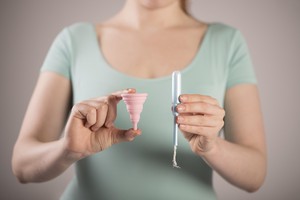
Tip: If you’re concerned about mess, a menstrual disc can be used during intercourse or masturbation to keep things cleaner and more comfortable.
2. Prioritize sleep with a consistent wind-down routine
PMS commonly disrupts sleep. Progesterone levels rise after ovulation and then drop sharply before your period, which can make falling or staying asleep harder. Instead of ignoring it, lean into a calming evening routine. Aim to go to bed at the same time each night, avoid screens for at least 30 minutes before sleep, and try gentle activities like reading or a warm bath. The hormonal release from an orgasm can also promote better sleep, making it a useful addition to your pre-bed wind-down.
3. Move your body in ways that feel good
Exercise doesn’t have to mean a high-intensity workout when you’re feeling low-energy. Gentle movement — like walking, stretching, or yoga — can help relieve bloating, improve circulation, and boost mood. Physical activity increases endorphin levels naturally, which works similarly to the pain-relieving effect of orgasm. Even 15 minutes of light movement can shift your energy and reduce the intensity of cramps for several hours.
4. Address mood swings with stress-reduction techniques
Serotonin and dopamine aren’t just released during orgasm; you can also support them through mindfulness, deep breathing, and social connection. When PMS makes emotions feel more intense, try short grounding exercises: five slow breaths, a walk outside, or a conversation with someone you trust. Avoiding caffeine and sugar spikes can also stabilize mood, as both can worsen anxiety and irritability during the luteal phase.
5. Use heat therapy for targeted cramp relief
Heat is one of the most effective non-drug tools for menstrual pain. A heating pad, warm compress, or hot water bottle applied to the lower abdomen relaxes contracting uterine muscles and improves blood flow. It’s simple, low-risk, and can be used alongside other strategies like rest or gentle movement. Many women find that combining heat with the natural pain relief from orgasm gives them the best symptom control without medication.
PMS doesn’t have to be managed solely with pain relievers. By tapping into your body’s own mechanisms — hormonal release, movement, heat, and rest — you can reduce discomfort and feel more in control each cycle. As always, if symptoms are severe or interfere with daily life, it’s wise to consult a healthcare provider to rule out conditions like PMDD or endometriosis.