
For many people, that mid-morning energy crash and brain fog isn't just about needing more sleep—it's a blood sugar signal. After you eat breakfast, your body breaks down carbohydrates into glucose, and the speed of that process determines whether your energy stays steady or comes crashing down by 10 a.m.
Dietitians emphasize that what you eat at breakfast can set the tone for your entire day's glucose regulation. The goal isn't to eliminate carbs, but to pair them strategically with nutrients that slow digestion and prevent sharp spikes. Here are five foods dietitians recommend adding to your breakfast to help stabilize blood sugar afterward.
1. Plain Greek Yogurt
Not all yogurts are created equal when it comes to blood sugar. Plain Greek yogurt is high in protein—typically 15 to 20 grams per serving—which slows gastric emptying and blunts the post-meal glucose response. Unlike flavored yogurts that often contain added sugars and syrups, plain Greek yogurt allows you to control sweetness by adding your own low-glycemic toppings like berries or cinnamon.
The protein in yogurt also promotes satiety, meaning you're less likely to reach for a sugary snack mid-morning. For an extra blood-sugar-friendly boost, choose a brand with live active cultures. Some research suggests probiotics may play a supporting role in glucose metabolism, though the primary benefit here remains the protein.
Dietitian tip: Pair plain Greek yogurt with a small handful of walnuts or almonds for healthy fat and additional protein.
2. Eggs
Eggs are a breakfast staple for good reason—they're one of the most effective protein sources for stabilizing blood sugar. A large egg contains about 6 grams of protein with virtually no carbohydrates, meaning they don't raise blood glucose on their own. When eaten alongside carbohydrates like whole-grain toast or oatmeal, the protein and fat in eggs slow the absorption of those carbs, preventing a rapid spike.
One study found that a protein-rich breakfast, including eggs, led to lower post-meal blood sugar levels compared to a carbohydrate-heavy breakfast with the same number of calories. The effect extended into lunch, suggesting that starting the day with adequate protein can improve glucose control for hours afterward.
3. Oats (Especially Steel-Cut or Rolled)
Oats offer beta-glucan, a type of soluble fiber that forms a gel-like consistency in the digestive tract. This gel slows the breakdown and absorption of carbohydrates, leading to a more gradual rise in blood sugar. Steel-cut oats and rolled oats retain more of their natural structure than instant oats, which are more processed and tend to be digested faster.
For best results, avoid pre-sweetened oatmeal packets. Instead, cook plain oats and add flavor with toppings that also support blood sugar stability—such as a sprinkle of cinnamon, a tablespoon of nut butter, or a handful of berries. The fiber from the oats combined with the protein and fat from toppings creates a balanced meal that sustains energy throughout the morning.
If you have diabetes or prediabetes, portion size matters here. A standard serving is about ½ cup of dry oats, which provides roughly 150 calories and 27 grams of carbohydrates.
4. Avocado
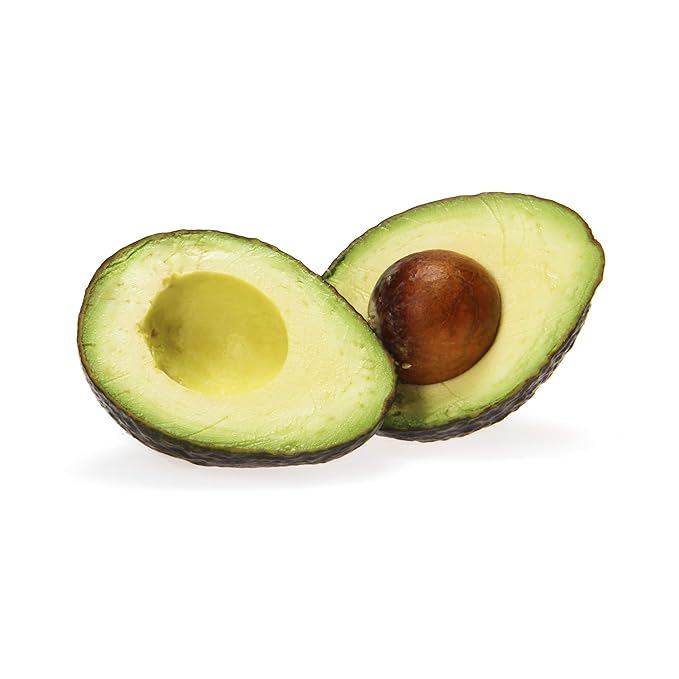
Avocado is rich in monounsaturated fats and fiber, both of which slow the digestion of carbohydrates. Spreading half an avocado on whole-grain toast or adding slices to an egg scramble provides a creamy texture while dramatically reducing the glycemic impact of the meal.
The combination of healthy fats and fiber also helps keep you full longer. Several studies have linked regular avocado consumption to improved blood sugar control and lower fasting glucose levels, likely due to its nutrient profile and ability to promote satiety. Unlike higher-carb fruits like bananas or mangoes, avocado has minimal impact on blood sugar, making it a strategic choice for breakfast.
Dietitians often recommend pairing avocado with a protein source, such as a poached egg or smoked salmon, to create a meal that addresses all three macronutrients: protein, fat, and fiber-rich carbohydrates.
5. Chia Seeds
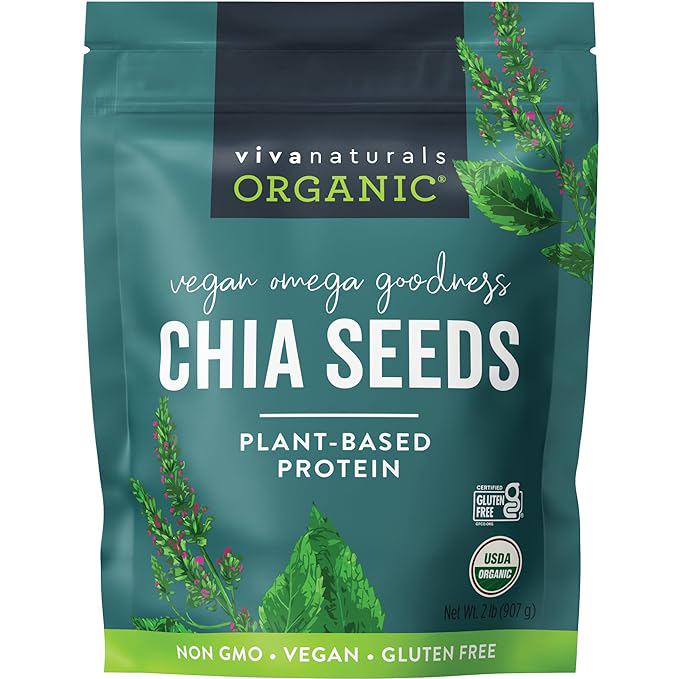
Chia seeds are tiny nutritional powerhouses. They contain an impressive combination of fiber, protein, and omega-3 fatty acids. When mixed with liquid, chia seeds form a gel-like consistency similar to oats—this gel slows digestion and helps moderate the release of glucose into the bloodstream.
Just two tablespoons of chia seeds provide about 10 grams of fiber and 5 grams of protein. They are virtually tasteless, making them easy to incorporate into smoothies, yogurt, oatmeal, or overnight chia pudding. Because they absorb liquid and expand, they also increase the volume of your meal without adding many calories, which can help with portion control.
Dietitian tip: Make a quick chia pudding by mixing 2 tablespoons of chia seeds with ½ cup of unsweetened almond milk and a dash of vanilla. Let it sit in the fridge overnight for a grab-and-go breakfast.
Putting It All Together
The most effective blood-sugar-stabilizing breakfast includes at least two of these foods. A sample meal might be steel-cut oats topped with chia seeds and a dollop of Greek yogurt, or two scrambled eggs with half an avocado and a side of berries. The key is to balance carbohydrates with protein, fat, and fiber at every meal.
It's also worth noting that the order in which you eat your food matters. Some research suggests eating protein and vegetables before carbohydrates can result in a lower post-meal blood sugar spike. If you're having oatmeal, eating the yogurt first could make a difference.
As always, individual responses to food vary. What works for one person may not work the same way for another. Keep a food and blood sugar log if you can, and work with a registered dietitian or healthcare provider to tailor these suggestions to your specific health needs.