For years, the conversation around anxiety has focused almost exclusively on the brain. But a growing body of research points to a quieter, more surprising player in mood regulation: the gut. The enteric nervous system, often called the “second brain,” lines your digestive tract and communicates directly with your central nervous system via the vagus nerve. When the gut microbiome—the trillions of bacteria living in your intestines—is out of balance, it can contribute to inflammation and stress signaling that may worsen feelings of anxiety.
This doesn’t mean food alone is a treatment for an anxiety disorder. But as part of a broader wellness plan, certain foods can support a healthier gut environment, which in turn may help calm your mind. Dietitians emphasize that consistency matters more than perfection. Adding these five foods to your regular routine is a practical, science-backed way to nourish both your microbiome and your mood.
Fermented Foods: Yogurt, Kefir, and Sauerkraut
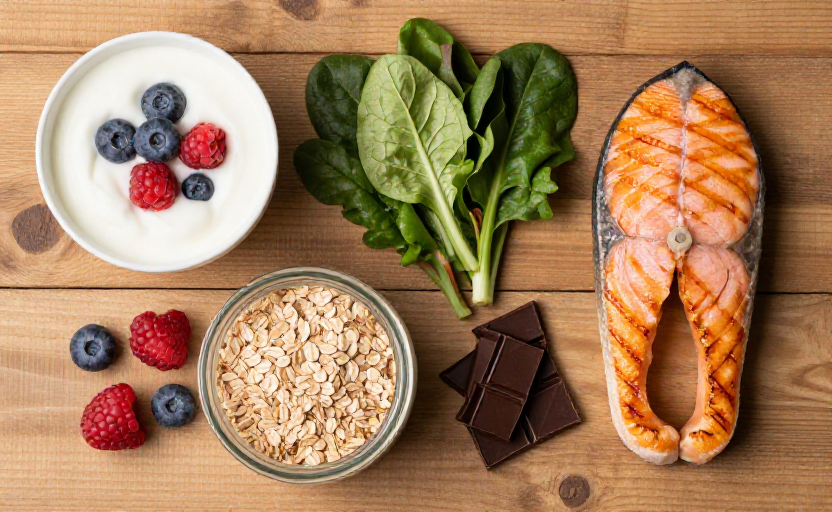
Fermented foods are one of the most direct ways to introduce beneficial live bacteria—probiotics—into your digestive system. Dietitians often recommend plain yogurt or kefir because they are versatile and well-tolerated by most people. These foods contain strains like Lactobacillus and Bifidobacterium, which have been studied for their ability to reduce cortisol levels and support the production of gamma-aminobutyric acid (GABA), a neurotransmitter that helps calm nervous system activity.
Tip: Choose plain, unsweetened varieties to avoid added sugars, which can counteract the anti-inflammatory benefits. Add fresh berries or a drizzle of honey for flavor.
Sauerkraut, kimchi, and miso are other excellent options—each brings a different strain profile to diversify your gut ecosystem. Just look for unpasteurized versions, as pasteurization kills the live cultures you're after.
Leafy Greens: Spinach, Swiss Chard, and Kale
Leafy greens are rich in magnesium, a mineral that plays a key role in regulating the body's stress-response system. Magnesium helps maintain healthy levels of GABA and supports the adrenal glands, which control the release of stress hormones like cortisol. When magnesium levels are low, the body may be more prone to anxiety symptoms, including muscle tension and sleep disruption.
Beyond magnesium, these greens provide fiber that feeds beneficial gut bacteria. When gut bacteria ferment fiber, they produce short-chain fatty acids (SCFAs) like butyrate, which strengthen the gut lining and reduce systemic inflammation—a known contributor to anxiety. Dietitians suggest aiming for at least one serving of dark leafy greens per day, whether in salads, smoothies, or lightly sautéed as a side dish.
Fatty Fish: Salmon, Sardines, and Mackerel
Fatty fish are among the few natural food sources of omega-3 fatty acids EPA and DHA, which are critical for both brain and gut health. Omega-3s help reduce inflammation throughout the body, including in the gut lining, and support the production of brain-derived neurotrophic factor (BDNF), a protein that promotes neuroplasticity and resilience against stress.
Research published in the journal Brain, Behavior, and Immunity found that omega-3 supplementation reduced anxiety symptoms in healthy adults, while dietitians point out that whole food sources offer additional benefits, such as vitamin D and protein. The American Heart Association recommends two servings of fatty fish per week—grilled, baked, or poached, not fried—to support both cardiovascular and mental health.
Oats and Whole Grains
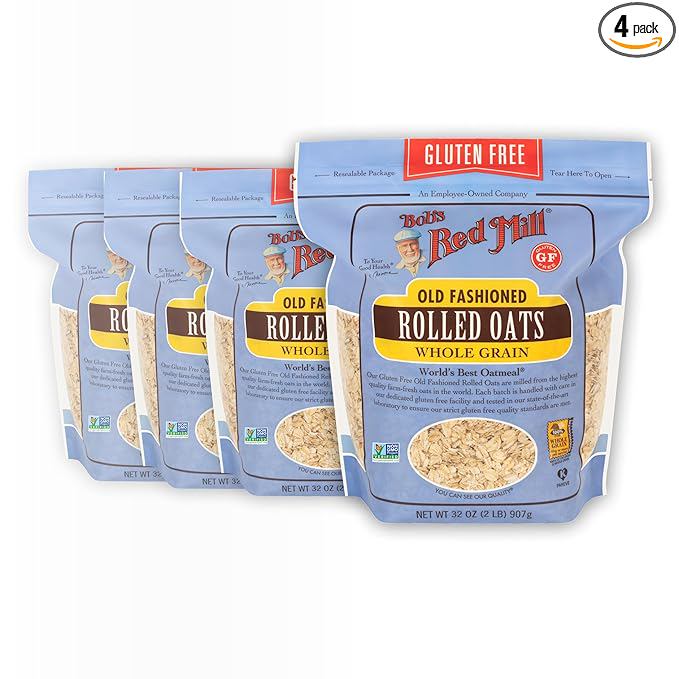
Whole grains like oats, quinoa, brown rice, and barley are packed with prebiotic fiber—the fuel that probiotics need to thrive. Fermentable carbohydrates in these grains stimulate the growth of beneficial bacteria, which in turn produce SCFAs that reduce gut permeability. A leaky gut has been linked to higher levels of inflammation and, in some studies, elevated anxiety.
Oats are particularly helpful because they also contain beta-glucan, a soluble fiber that helps stabilize blood sugar. Blood sugar spikes and crashes can mimic or trigger anxiety symptoms, such as shakiness, irritability, and rapid heartbeat. Starting your day with a bowl of steel-cut oats or overnight oats can provide steady energy and support a calm mood throughout the morning.
Dark Chocolate (70% Cacao or Higher)
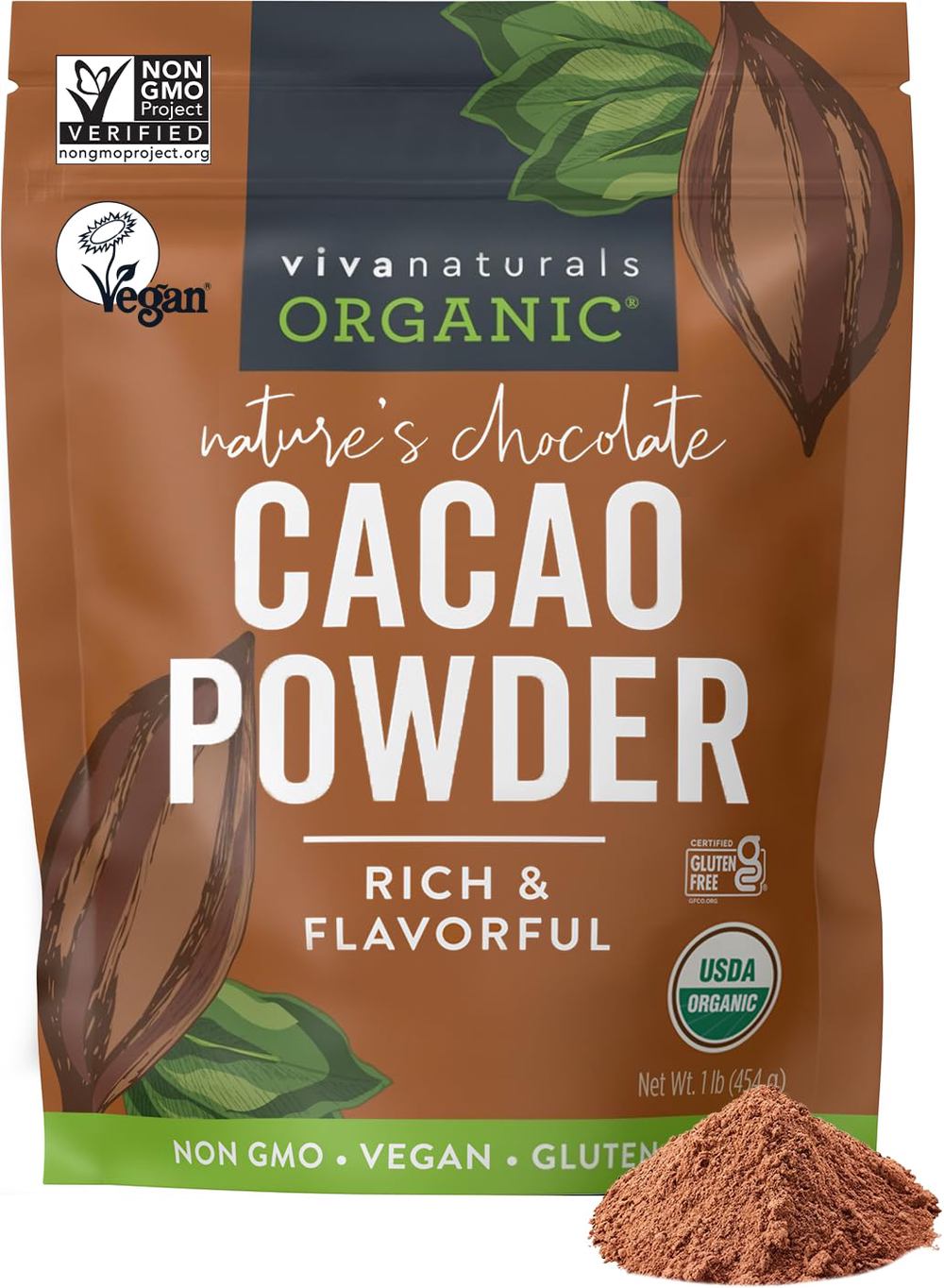
Dark chocolate earns its spot here for two reasons: it is a natural source of polyphenols, which act as antioxidants and prebiotics, and it contains a small amount of magnesium. Polyphenols stimulate the growth of beneficial gut bacteria while reducing inflammation, and the magnesium content may support the same GABA-related pathways mentioned earlier.
Dietitians caution that dark chocolate should be consumed in moderation—about one to two squares per day—because it still contains sugar and calories. Overdoing it can negate the benefits. When choosing dark chocolate, look for bars with 70 percent cacao or higher; the higher the percentage, the more polyphenols and the less sugar you get. A small piece after dinner can serve as both a treat and a mood-supportive snack.
While these five foods offer real gut-brain benefits, no single food is a magic bullet. Dietitians stress the importance of a varied, whole-foods diet paired with other lifestyle habits—like regular exercise, good sleep, and stress management—for meaningful anxiety relief. If you have specific digestive issues or a diagnosed anxiety disorder, consult a healthcare provider before making significant dietary changes.