
You carve out a precious 20 minutes in your afternoon, close your eyes, and hope to drift into a brief, restorative nap. Instead, you lie there feeling wired, your mind racing, or your stomach churning. The culprit might not be your schedule or stress—it could be what you ate or drank in the hours leading up to your rest.
Sleep experts point out that certain foods and beverages can significantly interfere with your body's ability to wind down, even for a short nap. They can disrupt digestion, spike your energy, or alter your sleep architecture, turning a potential power-up into a frustrating rest. Understanding these saboteurs is the first step toward crafting a nap-friendly routine that actually leaves you refreshed.
Why Food Timing Matters for Napping
Napping isn't just about closing your eyes. It's a biological process where your body and brain shift into a different state. For a nap to be effective—especially the short, 10- to 20-minute naps recommended to avoid sleep inertia—you need to be able to transition into sleep quickly. What you consume acts as a series of signals to your nervous system. Some signals say "calm down," while others shout "alert!" or "digest!" The wrong signal at the wrong time can block the path to rest entirely.
Think of your pre-nap snack as a direct message to your nervous system. You want to send one of calm, not chaos.
The Afternoon Nap Saboteurs
Here are five common dietary culprits that sleep specialists suggest being mindful of if you're planning an afternoon rest.
1. Dark Chocolate and Other Caffeine Sources
This one often surprises people. While you might wisely skip the coffee before a nap, a few squares of dark chocolate or a cup of green tea might seem harmless. However, dark chocolate contains both caffeine and theobromine, another stimulant. The amount varies, but even a modest serving can be enough to stimulate your nervous system, making quieting your mind nearly impossible. The effects of caffeine can begin within minutes and last for hours.
Be mindful of other hidden sources, too: some sodas, black tea, and even certain pain relievers contain caffeine. For a reliable nap, it's best to avoid caffeine for at least four to six hours beforehand.
2. Sugary Snacks and Refined Carbs
That mid-afternoon candy bar, pastry, or even a white bagel can lead to a rapid spike in blood sugar, followed by a sharp crash. While the crash might make you feel sleepy initially, the rollercoaster itself is disruptive. The spike can cause a burst of energy (or jitters), and the subsequent drop can sometimes trigger the release of stress hormones like cortisol and adrenaline as your body tries to stabilize, pulling you back into alertness just as you're trying to drift off.
This cycle can prevent the stable, relaxed state conducive to sleep and may lead to a groggy, unsatisfying nap if you do manage to fall asleep.
3. Heavy, High-Fat, or Fried Foods
A large, greasy lunch is a classic nap killer. Foods high in fat take longer to digest. If you lie down while your body is actively working to break down a heavy meal, you're likely to experience discomfort, bloating, or even acid reflux. Your body's energy is directed toward digestion, not toward the restorative processes of sleep. This can keep you in a light, unsettled state or prevent sleep altogether. Opting for a lighter lunch if you plan to nap later is a more strategic approach.
4. Spicy Foods
Spicy dishes, especially those containing capsaicin (found in chili peppers), can cause two major issues for nappers. First, they can raise your core body temperature. For sleep onset, your body needs to cool down slightly; adding heat works against this natural process. Second, spices are a common trigger for heartburn or indigestion, particularly when lying down. The discomfort from either effect is enough to sabotage any chance of peaceful rest.
5. Alcohol
While a glass of wine might make you feel drowsy initially, alcohol is notoriously disruptive to sleep architecture. It can help you fall asleep faster, but it severely fragments the quality of sleep, leading to frequent awakenings and preventing deeper, more restorative stages. For a nap, this means your rest is likely to be shallow and unrefreshing. You might wake up feeling worse than you did before—a phenomenon sometimes called "sleep drunkenness"—rather than recharged.
What to Reach for Instead
If you need a small bite before your nap, focus on foods that promote stability. A small portion of complex carbohydrates paired with a little protein or healthy fat can provide steady energy without the spike and crash. Think a few whole-grain crackers with a slice of turkey, a small banana with a spoonful of almond butter, or a handful of nuts. The key is to keep it light and easily digestible.
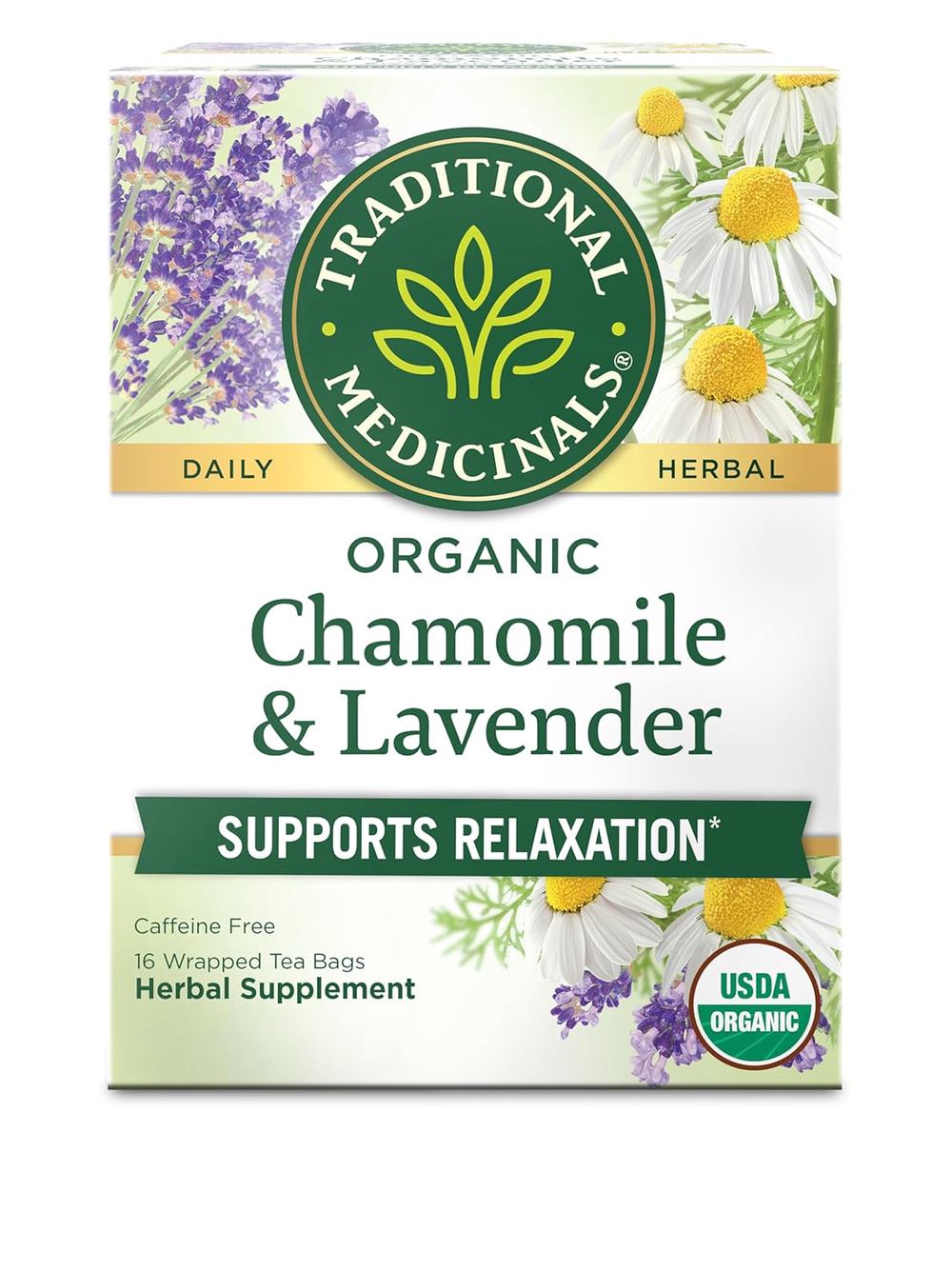
Hydration is also crucial, but opt for water or caffeine-free herbal teas like chamomile or peppermint instead of sugary drinks or caffeine.
Crafting Your Nap Ritual
Beyond food, consider your entire pre-nap routine. Give yourself at least 60-90 minutes after a meal before attempting to sleep. Find a cool, dark, and quiet spot. Even a short period of relaxation—like five minutes of deep breathing or listening to calming music—can signal to your body that it's time to shift gears, making your nap more likely to succeed regardless of what you ate earlier.
By being intentional about your pre-nap fuel, you transform your afternoon rest from a gamble into a reliable tool for renewal.