
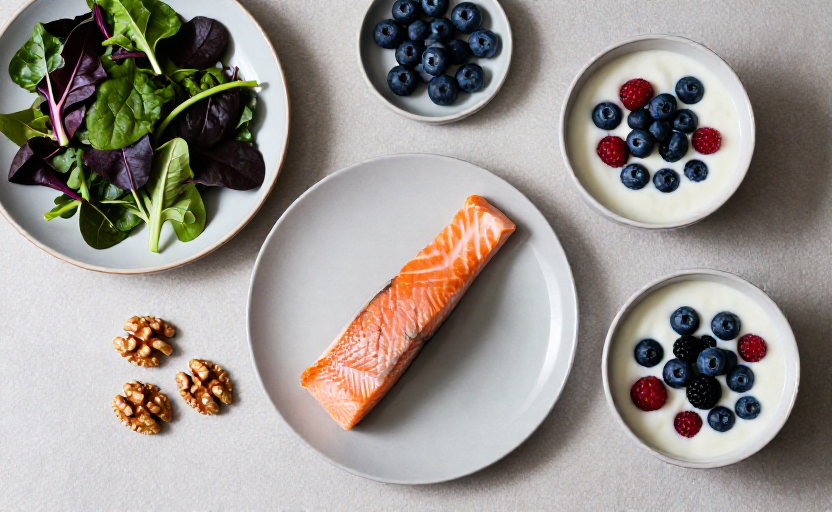
When a childhood trauma trigger surfaces, the body often reacts first. The heart races, the stomach clenches, and the mind can feel like it’s in a fog. While therapy and professional support are foundational for healing, what we eat can play a supportive role in calming the nervous system. Certain foods provide nutrients that help regulate stress hormones, support brain function, and promote a sense of physical stability, creating a more grounded internal environment to face difficult moments.
Think of it not as a cure, but as a form of gentle, daily nourishment for a nervous system that has learned to be on high alert. By choosing foods rich in specific vitamins, minerals, and healthy fats, we can offer our bodies the raw materials they need to build resilience from the inside out.
How can food affect trauma triggers?
Trauma, especially from childhood, can dysregulate the body's stress response system. This means the brain and nervous system may react to present-day reminders—triggers—as if the original threat were still happening. This reaction is deeply physiological, involving a cascade of stress hormones like cortisol and adrenaline.
Nutrition enters the picture by influencing this physiology. Foods rich in certain compounds can help modulate inflammation, support the production of calming neurotransmitters like serotonin, and protect the brain from oxidative stress, which is often heightened in states of chronic anxiety. It’s about creating a biochemical environment that is less reactive and more resilient.
Food is not a replacement for therapy, but it can be a powerful co-regulator for a nervous system shaped by past adversity.
Foods to incorporate for nervous system support
Focusing on whole, nutrient-dense foods is key. Here are five categories that offer specific benefits for soothing a triggered nervous system.
Fatty fish
Salmon, mackerel, sardines, and herring are exceptional sources of omega-3 fatty acids, particularly EPA and DHA. These fats are crucial building blocks for brain cell membranes and have potent anti-inflammatory effects. Chronic stress and trauma can increase inflammation in the brain, which is linked to anxiety and mood dysregulation. Regularly consuming fatty fish helps counter this inflammation and supports healthy brain signaling, which can lead to a less volatile emotional response to triggers.
Dark leafy greens
Spinach, kale, Swiss chard, and collard greens are packed with magnesium. This mineral is often called nature’s relaxant because it plays a vital role in regulating the nervous system. Magnesium helps calm the activity of the NMDA receptor in the brain, which is involved in the stress response. Many people are deficient in magnesium, and stress further depletes it. Adding a daily serving of dark greens can help replenish stores and promote a calmer baseline state.
Fermented foods
The connection between the gut and the brain—the gut-brain axis—is powerful. A significant portion of the body’s serotonin, a neurotransmitter that contributes to feelings of well-being, is produced in the gut. Fermented foods like yogurt (with live cultures), kefir, kimchi, sauerkraut, and kombucha introduce beneficial probiotics that support a healthy gut microbiome. A balanced gut environment can positively influence mood, stress response, and even how the brain processes emotional information.
Berries
Blueberries, strawberries, raspberries, and blackberries are rich in antioxidants, especially flavonoids. When we’re triggered, the body experiences oxidative stress, which can damage cells, including brain cells. The antioxidants in berries help neutralize these free radicals, protecting the brain. Some research also suggests that the flavonoids in berries may enhance neuroplasticity—the brain’s ability to form new, adaptive neural connections—which is a cornerstone of trauma recovery.
Nuts and seeds
Walnuts, almonds, pumpkin seeds, and flaxseeds are nutritional powerhouses for nervous system health. They provide a combination of magnesium, zinc, healthy fats, and tryptophan. Zinc is another mineral crucial for nervous system function and is often low in individuals with anxiety. Tryptophan is an amino acid that is a precursor to serotonin. A small handful of nuts or seeds as a snack can provide steady energy and a mix of nutrients that support emotional regulation.
Building a supportive eating pattern
Beyond specific foods, how you eat matters. For someone managing trauma triggers, extreme hunger or low blood sugar can mimic or exacerbate feelings of anxiety and panic.
- Prioritize regular meals: Aim for consistent nourishment throughout the day to maintain stable blood sugar levels, which helps keep mood and energy more even.
- Stay hydrated: Dehydration can increase cortisol levels. Sipping water regularly is a simple yet effective way to support physiological calm.
- Practice mindful eating: Try to eat without distraction when possible. Notice the colors, textures, and tastes of your food. This gentle practice can anchor you in the present moment, a helpful skill when dealing with triggers from the past.
It’s also wise to be mindful of foods that might have the opposite effect. High amounts of caffeine, refined sugars, and heavily processed foods can cause energy spikes and crashes, increase inflammation, and contribute to gut dysbiosis, potentially heightening nervous system reactivity for some people.
Remember, healing is multifaceted. Nourishing your body with these foods is one compassionate step you can take alongside other forms of care. It’s a way of sending a message of safety to your nervous system, bite by bite.