Bringing your newborn home is a moment of pure joy, mixed with a healthy dose of new-parent nerves. While love is the most important thing you’ll provide, having a few key items ready can make those first weeks smoother, safer, and a little less overwhelming. This isn’t about a long registry of gadgets; it’s about the fundamental tools that support daily care and comfort for your baby and peace of mind for you.
Think of it as a starter kit for the practical side of newborn life. By gathering these essentials beforehand, you can focus less on scrambling for supplies and more on the precious, fleeting moments of early bonding.
What should be in a newborn care kit at home?
A well-considered home care kit addresses the core needs of a newborn: safe sleep, gentle feeding, clean diapering, basic hygiene, and health monitoring. The goal is to have these items organized and within easy reach, whether in a caddy by your bedside or a dedicated drawer in the nursery.
Simplicity is key. Your baby’s needs are fundamental, and your kit should reflect that, helping you respond with confidence.
The 5 Essential Categories for Your Kit
1. A Safe Sleep Space
Your baby will sleep a lot, and where they doze is paramount. A firm, flat sleep surface is the non-negotiable foundation. This could be a bassinet that meets current safety standards, a crib, or a portable play yard with a firm mattress. The space should be completely bare—no pillows, loose blankets, stuffed animals, or crib bumpers. For warmth, use a wearable blanket or sleep sack instead of loose bedding. This single item does the most important job: providing a secure environment for unsupervised rest.
2. Gentle Feeding Supplies
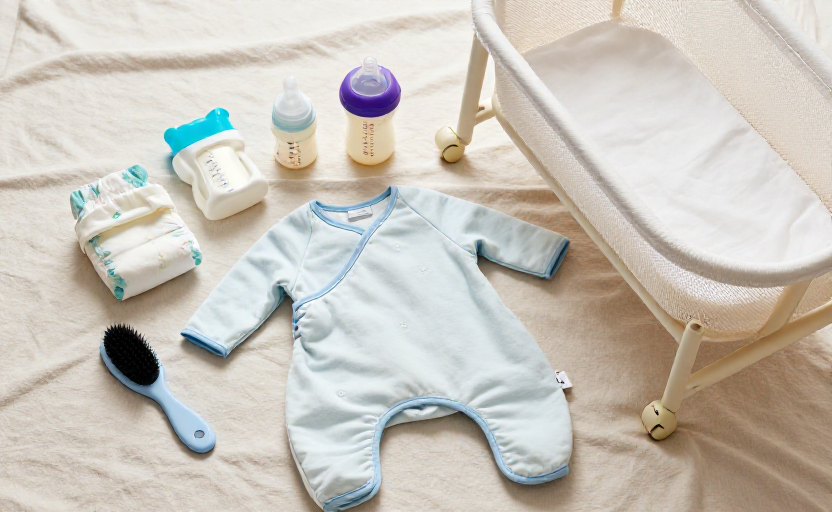
Whether you’re breastfeeding, formula-feeding, or combining both, having the right supplies on hand prevents stress during feedings. For nursing parents, this includes nipple cream, breast pads, and a comfortable nursing pillow for support. If you’re using formula or expressing milk, you’ll need bottles with slow-flow newborn nipples, a bottle brush, and a safe method for sterilization, like a steam bag or electric sterilizer. Having a few burp cloths within arm’s reach at all times is a universal necessity.
3. A Dedicated Diapering Station
You’ll change a diaper thousands of times in the first year, so setting up a simple, efficient station makes life easier. Essentials include:
- Newborn-sized diapers
- Hypoallergenic, fragrance-free wipes or soft washcloths and warm water
- A thick barrier cream or ointment to protect delicate skin
- A changing pad with a washable cover
Keep everything together in one spot. A caddy is useful if you plan to change the baby in different rooms.
4. Basic Bathing and Grooming Tools
Newborn skin is sensitive, and their grooming needs are minimal but specific. You don’t need a full spa setup. Focus on:
- A soft-bristled baby hairbrush or a fine-tooth comb for cradle cap
- Baby nail clippers or emery boards with a magnifying glass (tiny nails grow surprisingly fast!)
- A soft, hooded baby towel
- Gentle, tear-free baby wash and shampoo
- A bulb syringe or nasal aspirator for clearing a stuffy nose
A small, padded infant tub or a simple sink insert provides a safe place for those first few sponge baths until the umbilical cord stump falls off.
5. Health Monitoring Essentials
You don’t need a mini clinic, but a few basic items help you keep tabs on your baby’s well-being and communicate clearly with your pediatrician.
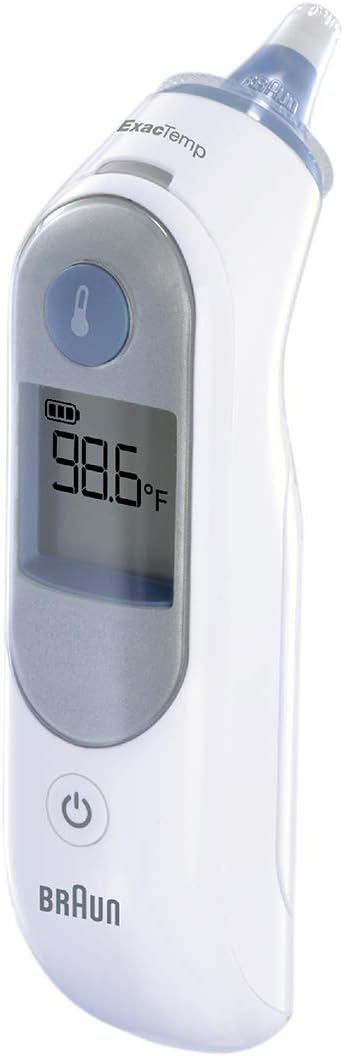
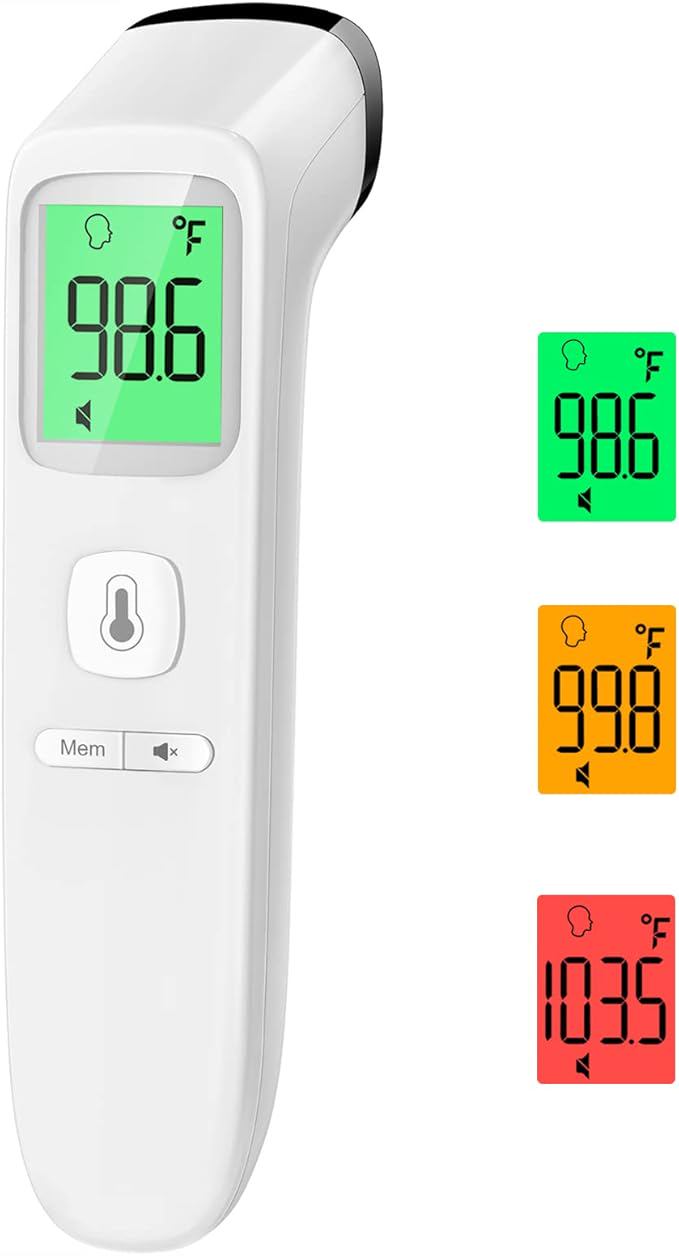
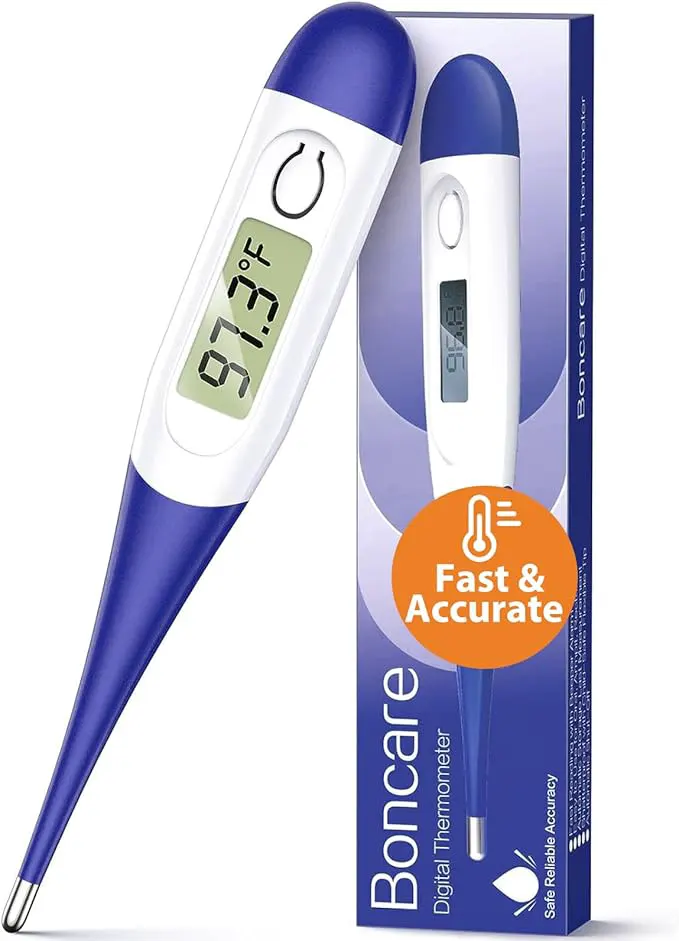
- A reliable digital thermometer designed for infants (rectal thermometers are considered most accurate for newborns).
- A baby-safe petroleum jelly if using a rectal thermometer.
- A notepad or app to track feedings, wet/dirty diapers, and sleep patterns—incredibly helpful for your own memory and for doctor’s visits.
- A working nightlight or dim lamp for checking on the baby without turning on bright overhead lights.
Remember, this kit is a starting point. As you learn your baby’s unique rhythms and preferences, you’ll naturally adapt and add to it. The true essentials are your attentive care, your intuition, and the support around you. With these few practical items gathered, you’ve laid a thoughtful groundwork, freeing yourself to soak in the wonder of your new baby’s first days at home.