
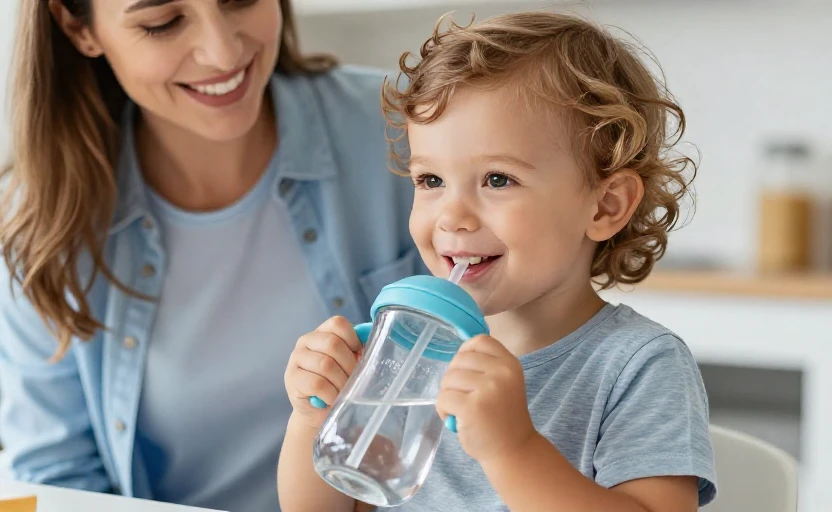
Watching your toddler discover the world is a joy, and that includes their first sips of new drinks. But what flows from their cup can have a lasting impact on the health of their emerging smile. The enamel on baby teeth is thinner and more porous than adult enamel, making those tiny teeth especially vulnerable to the acids and sugars found in many common beverages. By being mindful of what’s in the sippy cup, you can play a powerful role in preventing early cavities and setting the stage for a lifetime of healthy dental habits.
The goal isn’t to eliminate every fun drink, but to understand which ones pose the greatest risk and how to offer them thoughtfully. The real damage often happens through frequency and prolonged exposure—like sipping on a sugary drink throughout the day or at bedtime—rather than a single serving. Here are five drinks to be cautious with, along with practical strategies for protecting those precious teeth.
1. Fruit Juice (Even 100% Juice)
It’s easy to see juice as a healthy choice—it comes from fruit, after all. But nutritionally, juice is a concentrated source of sugar without the beneficial fiber of whole fruit. From a dental perspective, it’s also a source of natural acids and sugars that bathe the teeth with each sip.
The American Academy of Pediatrics advises no juice at all for children under one year, and for toddlers aged 1-3, a strict limit of no more than 4 ounces per day. Even within that small serving, the way it’s given matters.
Always serve juice in an open cup or straw cup (not a sippy cup that bathes teeth), only with a meal, and never as a bedtime drink.
Diluting juice with water can help reduce the sugar concentration, but it doesn’t eliminate the acid. The best habit is to make water and plain milk the primary drinks, with juice as an occasional treat rather than a daily staple.
2. Flavored Milk (Chocolate, Strawberry, etc.)
Milk provides essential calcium and vitamin D for strong teeth and bones. However, the flavored versions add significant amounts of added sugar. A cup of chocolate milk can contain as much added sugar as a can of soda. This creates a double challenge: the sugar feeds cavity-causing bacteria, while the liquid form allows it to coat all the surfaces of the teeth.
If your toddler is used to flavored milk, consider a gradual shift. You can start by mixing a small amount of chocolate milk with plain milk, slowly increasing the ratio of plain over time. The aim is to help their palate adjust to the less sweet taste of plain white milk, preserving the nutritional benefits without the sugary downside.
3. Soda and Sports Drinks
This category is the most straightforward to limit. Sodas, even diet varieties, are highly acidic and can directly erode tooth enamel. Sports drinks, often marketed as healthy, are typically loaded with sugar and acid. For a toddler’s small body and developing teeth, these beverages offer no nutritional benefit and pose a high risk for tooth decay.
The best approach is to simply not introduce them. Toddlers don’t need caffeine, carbonation, or the electrolyte replacement provided by sports drinks. Establishing water as the go-to thirst-quencher from an early age creates a healthy, tooth-friendly default.
4. “Toddler Formulas” or Sugary Nutritional Drinks
Some drinks are specifically marketed for toddlers as nutritional supplements or “growing-up” milks. It’s crucial to read the labels on these products carefully. Many contain added sugars, corn syrup, or other sweeteners to improve taste. If your child is eating a varied diet, they likely don’t need these supplemental drinks, and the extra sugar is an unnecessary risk to their teeth.
If a healthcare provider has recommended a nutritional supplement for weight gain or other medical reasons, discuss the options. Ask if there is a version with little or no added sugar, and be extra diligent about oral hygiene after consumption.
5. Dried Fruit Pouches & Smoothies
While not a drink in a cup, fruit pouches and thick smoothies consumed by sucking pose a similar threat. They are often high in sugar (natural and sometimes added) and have a sticky, clingy consistency that can adhere to teeth long after the pouch is empty. The act of slowly sucking on them prolongs the time teeth are exposed to sugar.
If you offer these, do so as part of a meal, not as a constant snack. Follow up with a few sips of water to help rinse the mouth. Better yet, offer the whole fruits themselves or a smoothie in a cup with a straw, consumed in a sitting rather than over a prolonged period.
Building Tooth-Healthy Habits
Knowing what to limit is half the battle. The other half is building positive routines that support dental health.
- Water is King: Make plain, fluoridated water the default drink between meals. It hydrates, helps rinse away food particles, and fluoride strengthens enamel.
- Mealtime-Only for Risky Drinks: When offering juice, flavored milk, or other sugary drinks, serve them only at mealtimes. The increased saliva production during a meal helps neutralize acids and wash away sugars.
- Use the Right Cup: Transition from a bottle to a sippy cup by age one, and from a sippy cup to a regular open cup or straw cup as soon as your toddler can manage it. Straws are particularly helpful as they direct liquid toward the back of the mouth, minimizing contact with teeth.
- Never at Bedtime: Never put your toddler to bed with a bottle or sippy cup containing anything other than water. Milk or juice pooling in the mouth overnight is a prime cause of severe early childhood cavities, often called “bottle rot.”
- Clean Those Teeth: Start brushing as soon as the first tooth appears. Use a tiny smear of fluoride toothpaste (the size of a grain of rice) until age 3, then a pea-sized amount. Make brushing twice a day a non-negotiable part of the routine.
Your choices today lay the foundation for your child’s dental health tomorrow. By thoughtfully managing these drinks and pairing those choices with consistent brushing, you’re not just protecting baby teeth—you’re teaching habits that will protect their permanent smile for years to come.