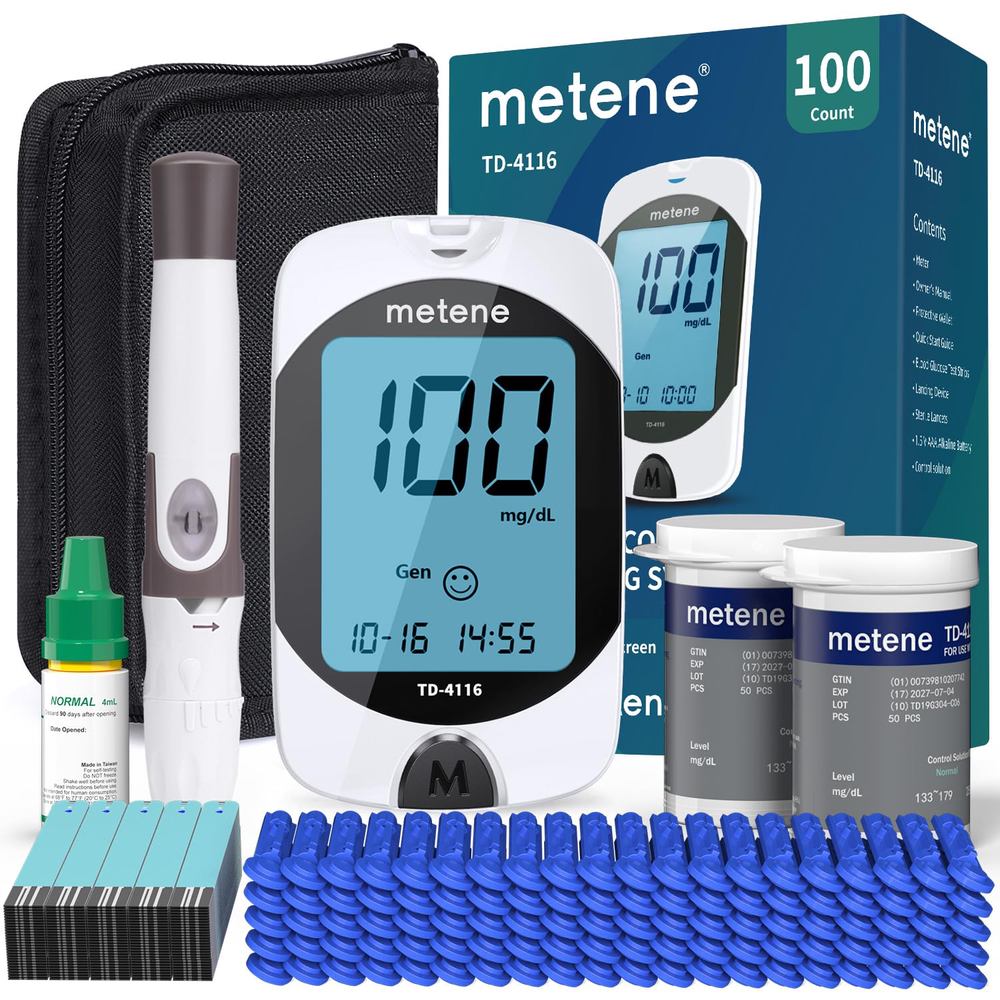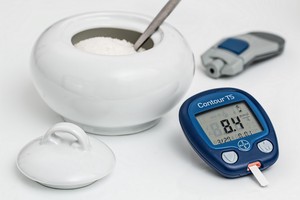

If you live with diabetes, you know that managing blood sugar is a constant push and pull. Most of the focus lands on foods and drinks that spike glucose. But the opposite — a sudden, unexpected drop — can be just as dangerous. Hypoglycemia can leave you shaky, confused, and weak, and it's often triggered by what you drink.
Here are five beverages that can cause a sharp decline in blood sugar, especially if you take insulin or certain oral diabetes medications.
1. Alcohol on an empty stomach
Alcohol is a tricky one because it doesn't behave like sugar or carbs. The liver's primary job when alcohol is present is to clear it from the bloodstream. During that process, the liver temporarily stops releasing stored glucose. If you haven't eaten, your blood sugar has no backup supply.
This effect can hit hours later — even in the middle of the night. A glass of wine or a light beer with dinner might be fine, but drinking the same amount on an empty stomach or after skipping a meal can lead to a significant drop. The risk is higher with spirits and low-sugar mixers, since there are no carbohydrates to buffer the effect.
2. 'Sugar-free' drinks with artificial sweeteners
This may sound counterintuitive — after all, sugar-free is the go-to for diabetes. But some studies suggest that certain artificial sweeteners, particularly saccharin and sucralose, can trigger an insulin response. The theory is that your taste buds signal the brain that sweetness is coming, and the pancreas releases insulin in anticipation — even though no glucose actually arrives. The result? Blood sugar can dip below normal.
Not everyone experiences this, and the research is still evolving. But if you notice low blood sugar after drinking diet soda, flavored sparkling water with artificial sweeteners, or zero-sugar energy drinks, it's worth testing your own response.
Caveat: This reaction varies widely. Some people drink diet soda daily with no effect. Pay attention to how your body responds within 30–60 minutes.
3. Coffee or tea before a meal
Caffeine affects each person with diabetes differently. For some, it raises blood sugar. For others, especially those accustomed to caffeine, it can cause a drop when consumed before food. Caffeinated beverages — black coffee, green tea, or black tea — can interfere with insulin sensitivity temporarily. If your morning coffee hits before breakfast, your glucose may fall faster once you do eat because insulin is working more efficiently.
This is more common when you drink coffee or tea on an empty stomach and then eat a meal with carbs. The timing matters. If you add milk or a sugar substitute, the effect might shift again. It's best to check your glucose before and after your usual coffee to see which camp you fall into.
4. Fruit juice — even 'no sugar added' varieties
Fruit juice is typically discussed as a blood-sugar raiser, and it is — unless something else is going on. Pure fruit juice (orange, apple, grape) is concentrated natural sugar. But in certain situations, particularly if you are on rapid-acting insulin or an insulin pump, the fast absorption of fruit sugar can cause a rapid spike followed by an overshoot from your medication. That overshoot crashes your blood sugar down just as quickly as it rose.
This is especially true if you drink juice to treat a mild low. Some people overtreat by drinking too much, then their insulin corrects too hard. A small amount of juice (about 4 ounces) can stabilize you. A full glass can create a rollercoaster.
5. Energy drinks and high-caffeine 'fitness' waters
Energy drinks are a triple threat. They combine high caffeine, artificial sweeteners, and often B vitamins or herbal stimulants. The caffeine can temporarily blunt your awareness of hypoglycemia symptoms (a condition called hypoglycemia unawareness). Meanwhile, the artificial sweeteners may trigger the insulin release mentioned earlier. Without real sugar to balance that insulin, your blood sugar can dip.
This is more pronounced with sugar-free energy drinks. Standard ones (with sugar) cause a spike, but the sugar-free versions can quietly drop your glucose 30 to 90 minutes later. The combination of stimulants and insulin response makes these drinks unpredictable for someone on glucose-lowering medication.
A note on individual response: Everyone's body reacts differently. What crashes one person's blood sugar may have no effect on another. If you have diabetes, the best approach is to test, test, test. Check your blood sugar before and after trying any new drink. Keep a log for a week. Patterns will emerge.