
You’ve dimmed the lights, put your phone away, and climbed into bed, yet sleep remains stubbornly out of reach. The culprit might not be your mattress or even your stress levels, but the subtle missteps woven into the hour before you try to rest. A bedtime routine is meant to be a bridge to sleep, but certain common habits can turn that bridge into a barrier.
These mistakes aren’t always obvious. They often masquerade as relaxation or productivity, quietly activating the very systems in your body and mind that need to wind down. Recognizing and adjusting them can transform your pre-sleep ritual from a source of frustration into a reliable path to deeper, more restorative rest.
Mistake 1: Using Your Bed for Everything Except Sleep
Your bed should be a powerful cue for sleep, but that association weakens when you use it as a home office, dining table, or entertainment center. When you work, scroll, or even eat in bed, your brain begins to link that space with alertness, problem-solving, and stimulation. The line between ‘awake’ and ‘asleep’ zones blurs, making it harder for your mind to switch off when you finally lie down for the night.
Think of your bed as a sanctuary for sleep and intimacy only. Its primary purpose should be clear to your nervous system.
The fix is straightforward but requires consistency. Reserve your bed strictly for sleep and intimacy. If you can’t fall asleep after 20 minutes, get up. Go to another room, read a dull book in dim light, or practice a quiet meditation in a chair—then return to bed only when you feel sleepy. This practice, called stimulus control, reinforces the powerful connection between your bed and sleep.
Mistake 2: The Late-Day Caffeine and Alcohol Trap
That afternoon latte or evening glass of wine feels like a treat, but it could be sabotaging your sleep architecture. Caffeine has a half-life of about 5-6 hours, meaning that half the caffeine from a 3 p.m. coffee is still in your system at 8 or 9 p.m. It blocks adenosine, a neurotransmitter that promotes sleepiness, keeping your engine idling when it should be shutting down.
Alcohol, while initially sedating, is a bigger sleep disruptor than many realize. It metabolizes into compounds that fragment sleep, often causing you to wake up during the second half of the night. It also suppresses rapid eye movement (REM) sleep, the stage crucial for memory consolidation and mood regulation.
- For caffeine: Observe a “caffeine curfew.” For most people, cutting off caffeine by early afternoon (around 2 p.m.) is a safe bet, but you may need to adjust based on your own sensitivity.
- For alcohol: If you choose to drink, do so at least 3-4 hours before bedtime to allow your body time to metabolize it before you try to sleep.
Mistake 3: Overloading Your Mind Right Before Bed
Diving into a gripping thriller, having a heated discussion, or finally tackling your to-do list for the next day might feel productive, but it’s like revving your car’s engine right before turning it off. These activities spike cognitive arousal and emotional engagement, flooding your system with cortisol and adrenaline—hormones associated with the “fight or flight” response.
Your brain needs a runway to descend into sleep, not a last-minute climb. This includes “productive” worrying, where you try to solve tomorrow’s problems from your pillow.
Instead, create a buffer zone. The last 60 minutes before bed should be for low-stimulation, low-stakes activities. This isn’t about being bored, but about being gentle. Try light stretching, listening to calm music or a boring podcast, or practicing a simple gratitude reflection. For worriers, keep a notepad by your bed to jot down any pressing thoughts, effectively outsourcing them from your mind so you can let go.
Mistake 4: Chasing Sleep with Rigid, Stressful Routines
This mistake is a paradox: turning your bedtime routine into a source of performance anxiety. If you’re anxiously watching the clock, stressing because you missed your “optimal” 30-minute reading window, or berating yourself for not being “perfect” at sleep, you’ve defeated the purpose. The goal is relaxation, not perfection.
Sleep is a natural biological process, not a task to be optimized with military precision. A rigid, high-pressure routine activates the same stress response you’re trying to avoid.
Focus on the quality of your wind-down, not the stopwatch precision. Some nights you might read for 20 minutes, other nights for 40. The key is that you’re engaged in something calming. Allow your routine to be a flexible framework, not a strict rulebook. If you miss a step, let it go. The gentler you are with yourself, the easier sleep will come.
Mistake 5: Ignoring Your Environment’s Hidden Signals
You might have the routine down, but your environment could be sending conflicting messages. The two biggest environmental saboteurs are light and temperature.
Light: Bright light, especially the blue wavelength from phones, tablets, and TVs, suppresses melatonin production, the hormone that tells your body it’s nighttime. Even the small LED on a charger or the streetlight peeking through a curtain can interfere.
Temperature: Your core body temperature needs to drop to initiate sleep. A room that’s too warm hinders this natural cooling process.
Simple Environmental Tweaks
- Use dim, warm-toned lights in the evening. Consider smart bulbs that shift to warmer tones after sunset.
- Enable night mode on devices hours before bed, or better yet, put them away.
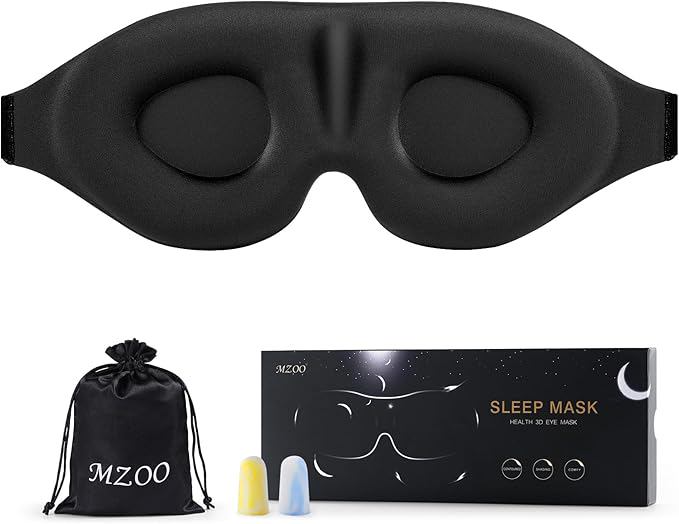
- Invest in blackout curtains or a comfortable sleep mask.
- Set your bedroom thermostat between 60-67°F (15-19°C). The ideal temperature is often cooler than people think.
- Choose breathable, natural-fiber bedding like cotton or linen to help regulate your body temperature throughout the night.
Fixing your bedtime routine isn’t about adding more to your plate; it’s often about subtracting the habits that quietly work against you. Start by picking one mistake that resonates most with your experience. Adjust it gently for a week, and observe the difference. Small, consistent shifts in how you approach the hour before bed can quiet the noise, lower the alertness, and finally signal to your whole being that it’s truly time to rest.