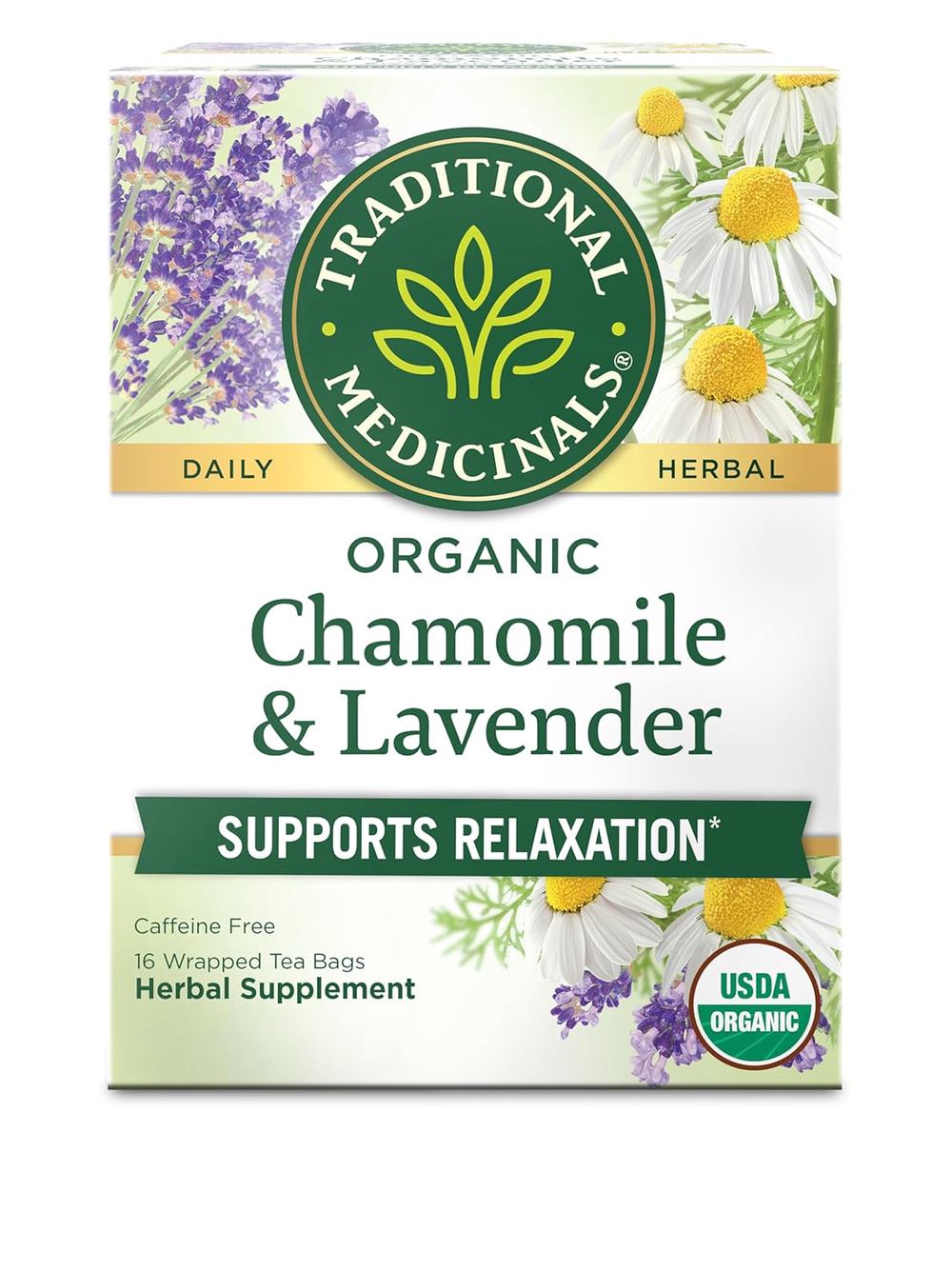

You pour yourself a warm cup of chamomile or a splash of tart cherry juice, settle into bed, and wait for sleep to arrive. But what if that nightly ritual is actually working against you? The line between a sleep aid and a sleep disruptor is thinner than most of us realize. Before you swear off your evening routine entirely, here are four specific signs that your go-to bedtime drink might be the reason you’re still counting sheep at 2 a.m.
You wake up feeling groggy, not refreshed
One of the most telling indicators is how you feel the next morning. If you’re logging seven or eight hours but still wake up with a heavy head and a foggy brain, your drink could be interfering with sleep architecture. Many popular nighttime beverages—especially those containing alcohol or high amounts of sugar—reduce the amount of time you spend in restorative deep sleep and REM cycles.
A single glass of wine or a nightcap might help you fall asleep faster, but it often leads to more frequent awakenings in the second half of the night. The result? You wake up feeling like you barely slept at all.
This phenomenon happens because alcohol suppresses REM sleep early in the night and causes a rebound effect later, fragmenting your rest. Even non-alcoholic drinks with added sugars or artificial sweeteners can spike your blood glucose, triggering a subtle stress response that lightens your sleep.
You have to use the bathroom in the middle of the night
Waking up once or twice to urinate—known medically as nocturia—is a clear sign that your bedtime beverage is too large in volume or contains a diuretic compound. Even seemingly harmless options like herbal tea or warm milk can backfire if you drink a full mug within an hour of bedtime.
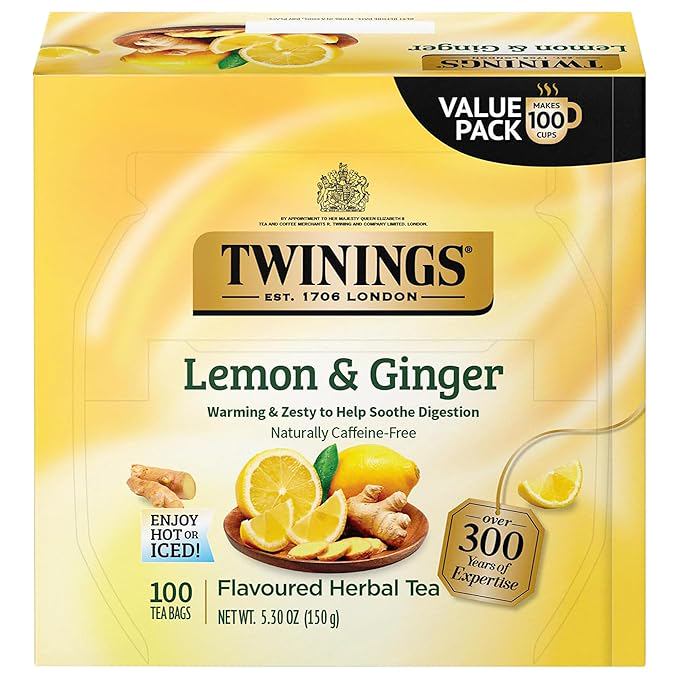
Some drinks are particularly sneaky. Green tea and black tea contain caffeine, but even decaffeinated versions retain trace amounts that can act as a mild diuretic. Similarly, beverages high in vitamin C, such as lemon water or certain fruit juices, can irritate the bladder and increase nighttime urgency. If you’re getting up multiple times to go, try reducing your drink to just a few sips or finishing it at least two hours before you hit the pillow.
Your heart races or you feel anxious as you lie down
That post-dinner latte might feel comforting, but caffeine has a half-life of roughly five to six hours. For many people, a moderate amount of caffeine consumed even six hours before bed can still disrupt sleep onset and cause palpitations, restlessness, or a racing mind at lights-out. Beyond caffeine, certain herbal ingredients can also stimulate rather than sedate.
Ginseng and guarana are common additions to “energy” teas or functional beverages, but they can appear unexpectedly in some relaxation blends. Even ingredients touted as adaptogens—like ashwagandha or rhodiola—may have stimulating effects for some individuals. Pay attention to how your body responds in the first 20 minutes after drinking. If you notice your heart beating harder, your mind spinning, or a sense of internal jitteriness, your drink is likely activating your nervous system rather than calming it.
You wake up with acid reflux or a sour stomach
Gastroesophageal reflux is a hidden sleep robber. If you routinely wake up coughing, with a burning sensation in your chest or throat, or with a bitter taste in your mouth, your bedtime drink might be relaxing the lower esophageal sphincter. Coffee, alcohol, citrus juices, and peppermint tea are all common triggers that can weaken this valve, allowing stomach acid to creep upward while you lie flat.
Even a seemingly innocent glass of orange juice or hot lemon water can cause problems if you have a sensitive digestive system. Reflux events often happen without you fully waking, but they can pull you out of deep sleep enough to leave you exhausted the next day. If you suspect reflux, stick to low-acid options like room-temperature water, a small cup of non-citrus herbal tea (rooibos or ginger are good choices), or plain oat milk.
What you can do instead
If any of these signs sound familiar, you don't have to give up the comforting ritual entirely. Start by adjusting the timing—move your drink to at least 90 minutes before bed. Then look at the ingredients: consider swapping for a very small serving (two to four ounces) of tart cherry juice diluted with water, or a warm cup of tulsi tea, which has a reputation for supporting rest without side effects. Finally, pay attention to volume—keeping your total fluid intake under eight ounces within the hour before sleep can make a surprising difference.
Your nightly drink should be a bridge to sleep, not a barrier. By noticing these four warning signs, you can fine-tune your routine and finally get the rest you’ve been looking for.