
You crush your workout, feel the burn, and walk out of the gym feeling accomplished. But a day or two later, your shoulders, back, or chest erupt in a fresh crop of bumps and breakouts. It’s frustrating, and you might blame your pre-workout or your protein shake. But there’s a very common, very mechanical cause sitting right in your gym bag: your tight workout clothes and the sweat they trap against your skin.
This isn't just about getting a little red from friction. What we’re talking about is a specific type of breakout often called acne mechanica—acne caused by heat, pressure, friction, and occlusion (lack of airflow). Your skin is a living organ that needs to breathe and sweat freely. When you wrap it in non-breathable, tight-fitting synthetic fabric during an intense workout, you create a perfect storm for clogged pores and inflammation.
But how do you know if your breakouts are actually caused by your gear, and not something else? Here are the four most telling signs that your tight workout clothes and sweat are the culprits behind your body acne.
1. The Breakouts Follow a Very Specific Pattern on Your Body
The location of your acne is the single biggest clue. This isn't random. Acne mechanica from workout wear appears precisely where your clothing applies the most pressure and traps the most moisture.
The Classic 'Gear Map'
- Shoulders and Upper Back: This is ground zero for anyone who wears a sports bra or a tight tank top with thin straps. The straps dig in, creating constant friction, while the fabric underneath holds sweat against your skin. Expect breakouts along the strap lines and in the central upper back where the garment is tightest.
- Chest and Sternum: If you wear a snug, high-neck workout top or a compression shirt, you'll often see bumps right in the center of your chest. This area gets hot and sweaty, and the tight fabric presses debris and sweat directly into your pores.
- Lower Back and Waistband: The elastic waistband of leggings or shorts is a major offender. It creates a tight seal that traps moisture and rubs relentlessly. This leads to a distinct line of breakouts right where the band sits.
- Inner Thighs and Glutes: Tight shorts or leggings create friction here with every rep of a squat or lunge. The combination of sweat, heat, and constant rubbing leads to clogged pores, often appearing as small, inflamed bumps.
If your body acne is concentrated in these specific zones—places where your clothing is tightest and your sweat pools—you are looking at a classic case of workout-gear-induced acne.
2. You Notice New Bumps Within 24 to 48 Hours of a Workout
Hormonal acne or dietary breakouts often have a longer, less predictable timeline. A breakout from a chocolate bar might not show up for days. But acne mechanica has a much faster, more direct cause-and-effect relationship.
Pay close attention to the timing. If you notice small, red bumps, whiteheads, or tender papules appearing on your shoulders, back, or chest within a day or two after a particularly sweaty or long workout, it’s a strong sign. The irritation sets in while you're still in the clothes. The bacteria that thrive in a warm, moist environment—like the one created by your soggy t-shirt—have a head start. By the next morning, your skin is already reacting. This fast turnaround is a hallmark sign. It’s not a delayed reaction; it's a direct consequence of the workout environment you created.
3. Your Acne Appears in the Same Spots, Session After Session
Does your skin break out in the exact same location every time you run or lift? Do the bumps on your right shoulder always flare up where your bag strap sits? Does a clear line of pimples appear where your headband or hat rests? This is a dead giveaway.
The telltale sign of friction acne is its predictability. It follows the path of your clothing, not the random distribution of hormonal acne.
Your favorite pair of leggings might have a seam that rubs your inner thigh in one precise spot. Your go-to sports bra might have a thick strap that presses on a certain part of your shoulder blade. Because you wear the same types of gear to the gym, the friction and pressure are applied to the same skin areas repeatedly. This chronic irritation doesn't give the skin a chance to heal, leading to a stubborn, recurring breakout in that specific spot. If you can literally point to the seam or strap that causes the breakout, you’ve solved the mystery.
4. The Breakouts Look Like Small, Red Bumps (Not Deep Cysts)
The texture and type of the breakout matters. Acne mechanica typically presents differently than cystic or hormonal acne.
- Appearance: It usually looks like a cluster of small, red, inflamed bumps or whiteheads. Think of it as a heat rash mixed with clogged pores. The skin can feel rough and bumpy to the touch, like sandpaper.
- Texture: This is often a superficial issue. The bumps are small, come to a head quickly, and are generally not the deep, painful, nodular cysts that are common with hormonal imbalances.
- Irritation: The area may feel itchy, stinging, or just generally irritated, not just sore. This is because the primary trigger is physical irritation (friction and heat), not an internal, systemic inflammatory process.
If your body acne looks more like a persistent, angry rash of small red bumps rather than a few deep, painful cysts, it's very likely being caused by your workout environment. This type of breakout is a clear signal from your skin that it's being suffocated and chafed.
What to Do About Workout-Induced Body Acne
Once you’ve identified that your workout clothes are the problem, the solution is thankfully straightforward. It’s not about giving up exercise; it’s about changing your gear and your post-workout routine.
- Change your fabric. Switch to moisture-wicking fabrics made from natural fibers like merino wool, or high-tech synthetics that are designed to pull sweat away from the skin. Avoid 100% cotton for intense workouts, as it holds moisture like a sponge.
- Fit matters. Your workout clothes should be snug but not restrictive. If you can see deep red lines on your skin after taking them off, they are too tight. Opt for looser fits where possible, especially for the upper back and chest.
- Shower immediately. This is non-negotiable. Rinse off all sweat and bacteria as soon as your workout is over. If you can't shower, at least change out of your wet clothes and use a gentle cleansing wipe on the affected areas.
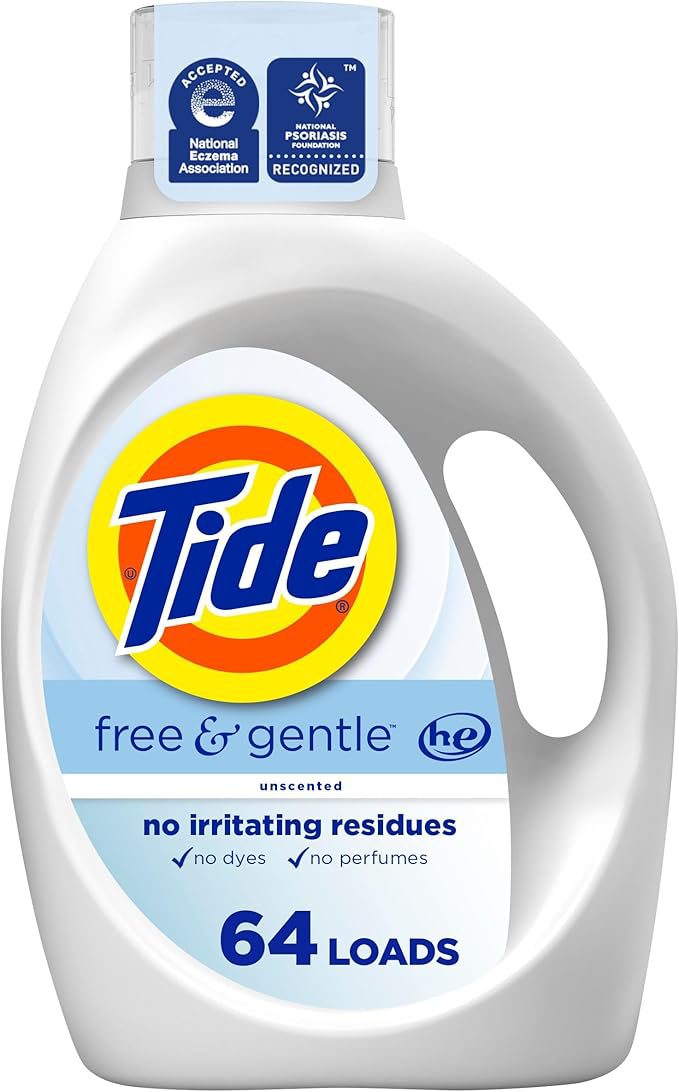
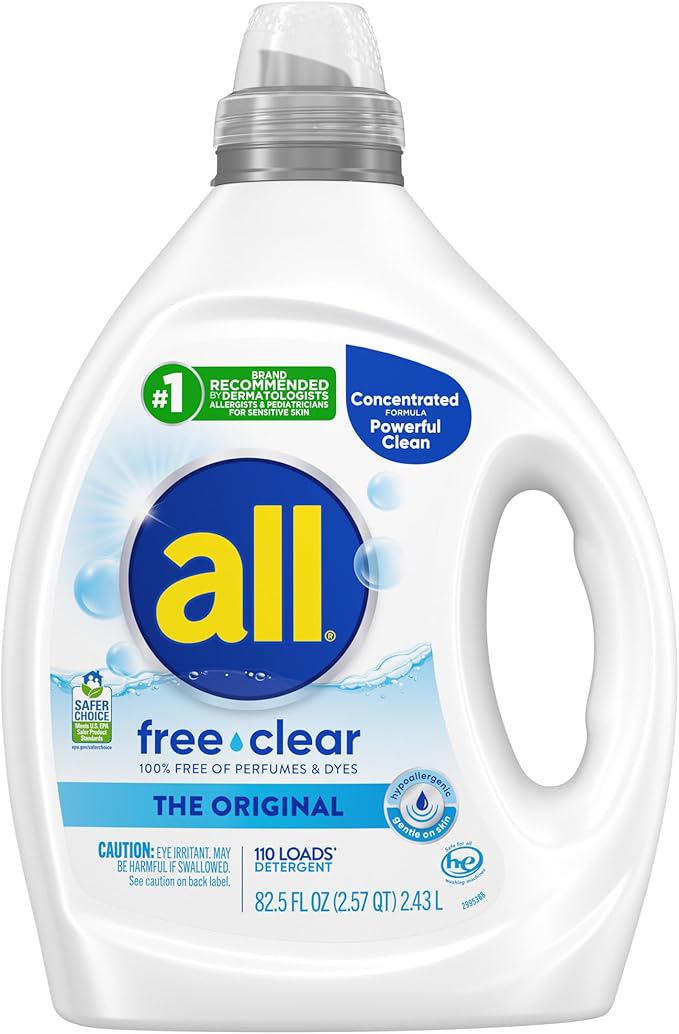
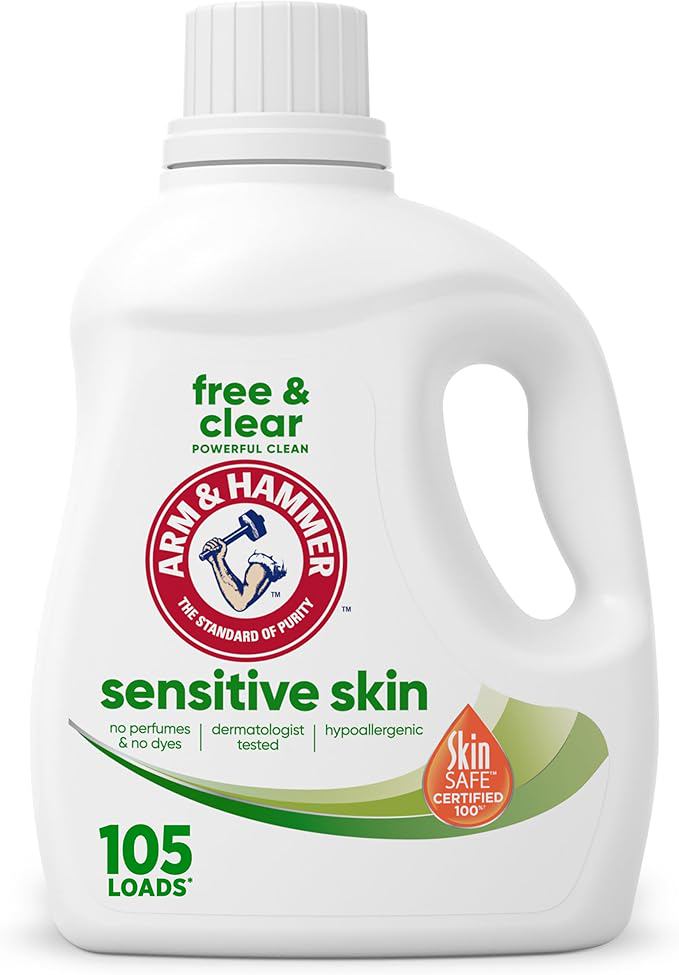
- Wash your gear after every single use. A pile of sweaty workout clothes is a breeding ground for bacteria. Use a gentle, fragrance-free detergent to avoid adding chemical irritants to the mix. Never re-wear a piece of workout clothing without washing it first.
Recognizing these four signs is the first step to clear skin. Your workout clothes are tools to help you perform, but they can also work against your skin if you don't manage the sweat and friction. Listen to your skin—it's telling you exactly what it needs.