
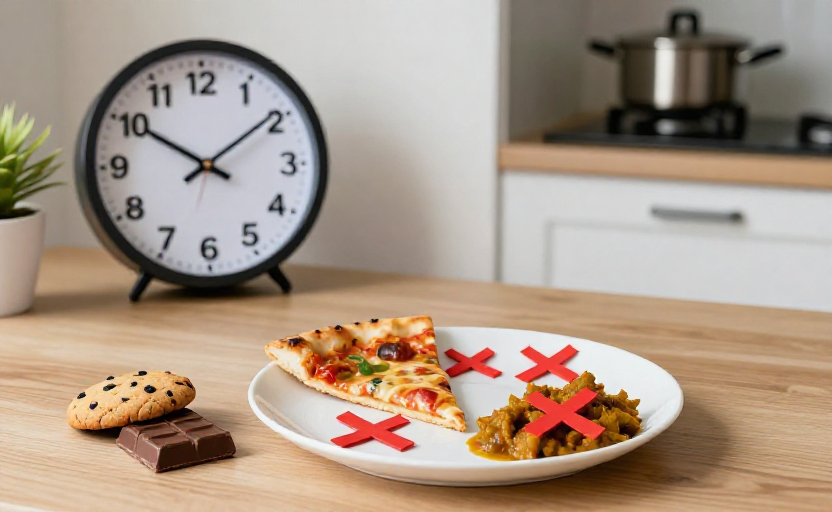
If your child tosses and turns at night, the culprit might be sitting on their dinner plate. What kids eat in the hours before bed can have a surprising impact on how quickly they fall asleep—and how well they stay asleep. While every child is different, certain foods are known to interfere with the natural sleep cycle. Below are four types of foods worth cutting from the evening menu if you want a smoother bedtime.
Sugary Snacks and Desserts
Cookies, candy, ice cream, and even seemingly innocent fruit juices can send a child’s blood sugar on a roller coaster. When blood sugar spikes quickly, the body releases insulin to bring it down—and that drop can trigger the release of stress hormones like cortisol and adrenaline. These hormones are the opposite of what you want at bedtime. Instead of winding down, your child may feel wired, restless, or even wake up in the middle of the night.
The fix is simple: save sweets for earlier in the day. If your child truly wants a treat after dinner, offer a small piece of fruit (like a banana or a few berries) paired with a protein, such as a spoonful of yogurt. The fiber and protein help keep blood sugar stable.
Caffeinated Drinks and Chocolate
Caffeine is a well-known stimulant, but it hides in places you might not expect. Soda, iced tea, energy drinks, and even chocolate contain caffeine. A small chocolate bar or a cup of hot cocoa can contain enough caffeine to keep a sensitive child awake for hours. The effects of caffeine can last for 6–8 hours, so anything consumed after 3 or 4 p.m. may still be active at bedtime.
Check labels carefully: some brands of chocolate milk, flavored waters, and even certain cereals have added caffeine. For a calm evening, stick with water or a warm, non-caffeinated drink like chamomile tea (if your child’s pediatrician says it’s fine).
Heavy or Greasy Foods
Fried chicken, pizza, burgers, and other fatty foods take longer to digest. When the body is working hard to break down a heavy meal, it’s harder to relax into sleep. Kids may feel uncomfortable, bloated, or even experience indigestion or heartburn. These physical sensations can keep them awake or cause them to wake up during the night.
Try to serve a lighter dinner with lean protein, vegetables, and a whole grain. If your child is hungry closer to bed, offer a small, easy-to-digest snack like a slice of turkey, a piece of whole-wheat toast, or a glass of warm milk.
Spicy Foods
Spices like chili powder, hot sauce, and curry can cause stomach discomfort and raise body temperature slightly—both of which are disruptive to sleep. For some children, spicy meals can also trigger acid reflux or an upset stomach, making it hard to get comfortable. Even if your child enjoys spicy food, it’s best to keep it to lunchtime rather than dinner.
If you’re making tacos or a spicy stir-fry for dinner, serve a milder version for your child or offer a cooling side like plain yogurt or a slice of bread to help neutralize the heat.
A Calming Bedtime Snack Option
If your child needs something before bed, think simple and sleep-friendly: a small bowl of plain oatmeal, half a banana, a handful of almonds (for older kids), or a glass of warm milk. These foods contain natural compounds like tryptophan, magnesium, or melatonin that may gently support sleep without overstimulating the digestive system.
Editor’s note: Every child’s tolerance to food is different. If you notice a pattern—better sleep after skipping certain foods, or worse sleep after eating them—trust your observations and adjust accordingly. For persistent sleep trouble, check with your pediatrician to rule out other issues like sleep apnea, allergies, or anxiety.