As we age, sleep patterns shift. Many older adults find themselves fighting afternoon fatigue, yet struggle to sleep through the night if they give in to a nap. It is a frustrating cycle: you need the rest, but you worry it will ruin your bedtime. The solution might not be about avoiding naps altogether, but about choosing the right foods to support a short, restorative rest without disrupting your body's natural sleep-wake rhythm.
Dietitians who specialize in geriatric nutrition point to four specific foods that can help older adults get the benefits of a daytime nap—without the nighttime penalty. These choices work with your body's biochemistry, promoting calm and stable energy rather than a crash or a spike. Below, we break down how each one helps and the best way to include them in your routine.
Why napping gets trickier with age
Before diving into the foods, it helps to understand what changes. Older adults produce less melatonin, the hormone that signals it is time to sleep. They also spend less time in deep sleep stages. This means a nap that is too long or poorly timed can eat into your sleep drive, making it harder to fall asleep at night. The goal is a short power nap (20–30 minutes) that refreshes you without putting you into deep sleep, and the right snack can support that delicate balance.
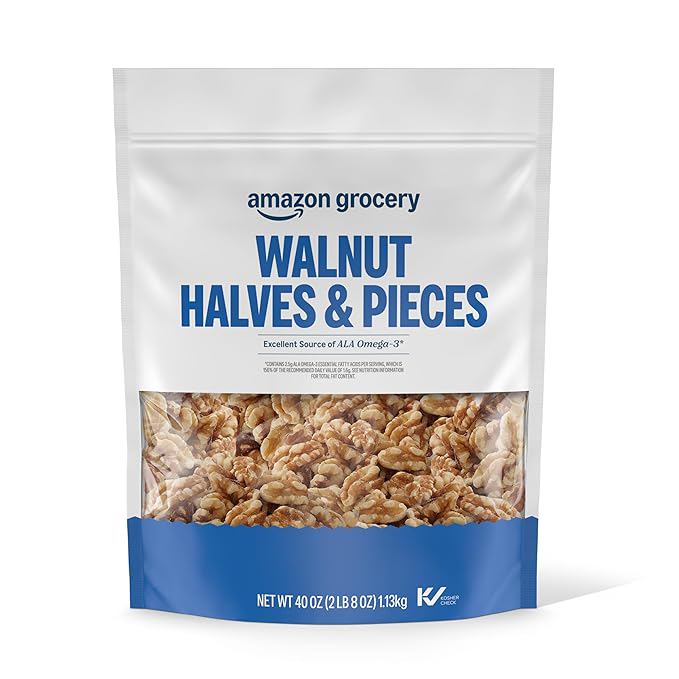
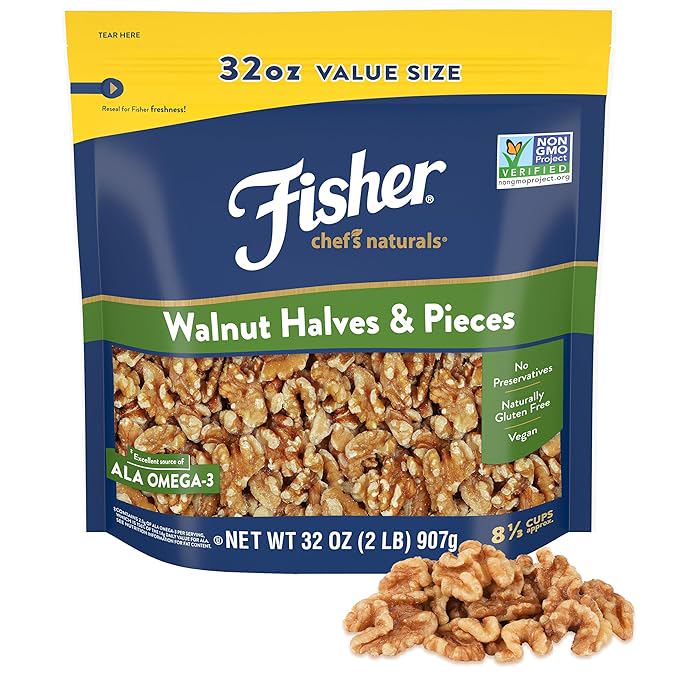
1. A small handful of walnuts
Walnuts are one of the best food sources of melatonin. Unlike synthetic melatonin supplements, the melatonin in walnuts is naturally present in small amounts, which is ideal. A study published in the Journal of Agricultural and Food Chemistry found that eating walnuts increases blood melatonin levels, which can improve sleep quality. For an afternoon nap, a small portion—about a quarter cup or 10 walnut halves—provides a gentle nudge toward drowsiness without overdoing it.
Walnuts also contain healthy omega-3 fatty acids, which support brain health and stable mood. Pair them with a small piece of fruit, like a banana, for a balanced mini-meal that provides steady energy and prevents a blood sugar spike.
Dietitian tip: Keep a small baggie of walnuts in your pantry. Eat them 30–45 minutes before your planned nap time for the best effect.
2. A glass of tart cherry juice
Tart cherries are one of the few natural food sources of both melatonin and tryptophan, an amino acid the body converts into serotonin and then into melatonin. A 2022 review in the European Journal of Nutrition concluded that tart cherry juice significantly improves sleep duration and quality. For napping, the key is to drink a small amount—about 4 to 6 ounces—about an hour before you plan to rest.
Because tart cherry juice is tart, it does not cause a rapid insulin spike like sweeter juices. This helps avoid the sudden energy crash that can leave you feeling groggy. Look for unsweetened, 100% tart cherry juice. If you find it too sour, dilute it with a little sparkling water.
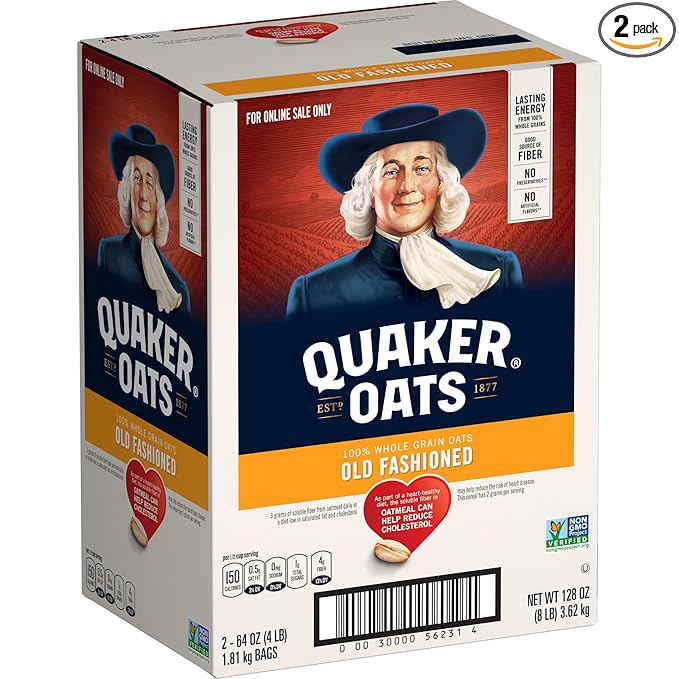
3. A bowl of oatmeal (the old-fashioned kind)
Oatmeal is not just for breakfast. Complex carbohydrates like oats increase the availability of tryptophan in the brain. When you eat a small bowl of whole-grain oatmeal, the carbohydrates help shuttle tryptophan across the blood-brain barrier, where it can be converted into sleep-promoting compounds. This makes oatmeal an excellent pre-nap food, especially in the early afternoon.
Keep the portion small—about half a cup of cooked oats—to avoid heavy digestion. Top it with a tablespoon of sliced almonds or a drizzle of honey for a touch of flavor. The key here is the type of oatmeal: instant flavored packets often contain added sugars, which can cause an energy roller coaster. Stick with rolled or steel-cut oats.
4. A single kiwi fruit
Kiwis are surprisingly potent when it comes to sleep. In a study published in the Asia Pacific Journal of Clinical Nutrition, adults who ate two kiwis one hour before bed fell asleep faster and slept more soundly. The fruit is rich in serotonin and antioxidants, including vitamin C and folate, which may help regulate the sleep cycle. A single kiwi before a nap provides a similar benefit without being too filling.
Kiwis are also easy to digest, making them a good choice for a light afternoon snack. You can eat it plain, slice it over a small piece of yogurt, or blend it into a smoothie with the tart cherry juice. One fruit is enough—more than that might be too much sugar before a nap.
Putting it together: a simple napping routine
The most effective approach is to combine one of these foods with a consistent timing strategy. Aim to eat your chosen snack about 45 minutes before you intend to nap. Set an alarm for 20 to 30 minutes, and nap in a quiet, dark room if possible. Avoid caffeinated drinks within four hours of your planned nap. If you are taking medications that affect sleep, check with your doctor before adding any of these foods in large quantities.
This combination of gentle nutrition and good napping habits can help you wake up feeling refreshed and still ready for a full night of sleep.