If you've been living with PCOS, you know it's not just about irregular periods. The hormonal shifts can affect everything from your energy levels to your mood, and many women turn to home remedies and self-care routines to find some relief. It's completely understandable to want to take control, especially when you're dealing with symptoms like cramps, fatigue, and cravings on a daily basis. However, well-meaning efforts can sometimes backfire when they're based on the wrong assumptions.
Working with your body's natural rhythms is a smart approach, but there are a few common pitfalls that can actually make it harder to manage PCOS symptoms at home. Let's walk through four mistakes you'll want to avoid so you can feel your best without the guesswork.
Managing PCOS is about consistency and listening to your body—not quick fixes or harsh restrictions.
1. Relying Only on Sugary Snacks and Simple Carbs to Boost Energy
It's easy to reach for a sweet treat or a bowl of refined rice when you're feeling sluggish from a PCOS flare. Quick-digesting carbohydrates spike your blood sugar and might give you a fast burst of energy, but they also trigger your body to release more insulin. For many women with PCOS, this can worsen insulin resistance and lead to a deeper energy crash, more intense cravings, and even more severe period pain later in the day.
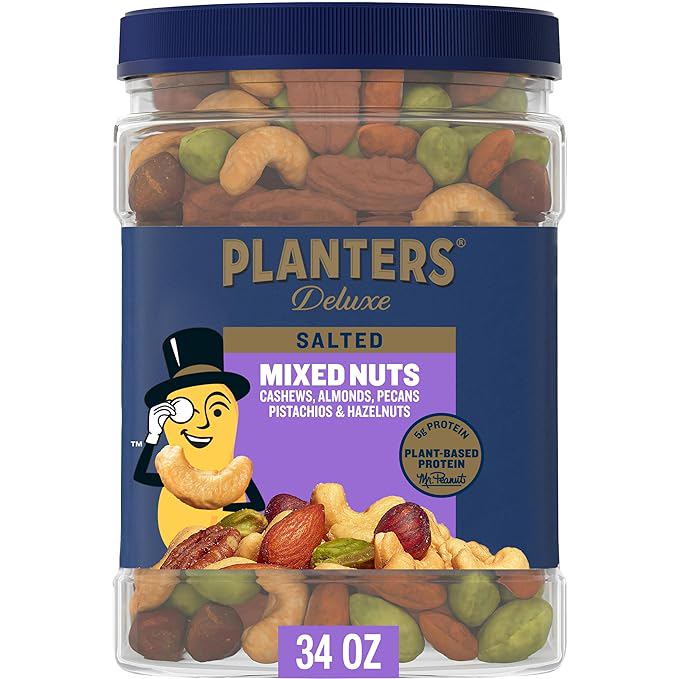
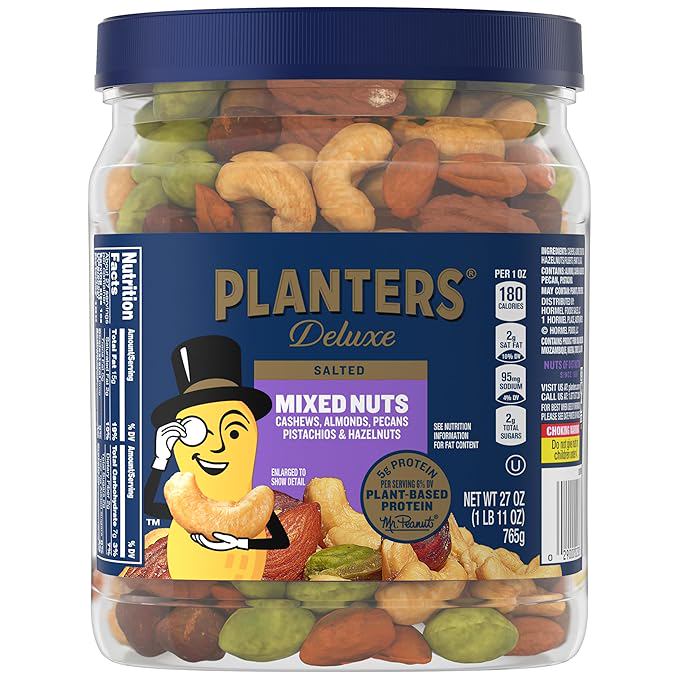
Instead of making white rice or sugary snacks a go-to during PMS, try pairing complex carbs with protein or healthy fats. A small handful of peanuts or cashews, for example, provides steady fuel without the sugar roller coaster. If you're craving something warm and grounding, think of a simple bowl of khichdi made with lentils and rice—it's a balanced choice that supports digestion and sustained energy.
2. Skipping Healthy Fats Because You Think They Cause Weight Gain
This is one of the most persistent misconceptions. Women with PCOS often cut out fats like ghee, avocado, or nuts, fearing they'll add to belly fat or worsen hormonal imbalances. In reality, your body needs certain healthy fats to produce hormones and absorb fat-soluble vitamins like A, D, E, and K. Without enough dietary fat, your cortisol levels can rise, which may increase inflammation and make period cramps and nausea worse.
Adding even one teaspoon of ghee to your meals throughout the day can help soothe your gut and support smoother hormonal function. It's not about liberally drenching everything in butter; a mindful drizzle or spread with your vegetables and rice can make a real difference in how you feel.
3. Forgetting to Stabilize Your Blood Sugar First Thing in the Morning
Many people skip breakfast or grab just a coffee when they're in a rush, but how you start your day sets the tone for your entire hormonal system. If your morning meal—or lack of one—causes a sharp blood sugar spike or crash, your ovaries can get the wrong signals, leading to more severe PMS symptoms and cramping.
Traditional approaches like eating soaked black raisins and a few threads of saffron on an empty stomach may offer gentle support for period pain and heavy bleeding. The key is consistency: pairing that with a small protein-rich breakfast can help keep your insulin levels stable and reduce that mid-morning fatigue that so many women with PCOS experience.
4. Ignoring the Mineral Connection in Your Favorite Comfort Foods
When you're bloated or cramping, foods like yogurt rice (dahi rice) with legumes can seem like a bland, no-brainer meal. But there's actual science behind why this combination works—or can fall short. Dairy products are a natural source of calcium, which helps your muscles relax and may reduce the severity of menstrual cramps. Rice provides magnesium and thiamine, nutrients that play roles in nerve function and pain modulation. Yet if you're eating these foods without any vegetables, legumes, or a source of iron, you could be missing key minerals that support ovarian health.
The best home PCOS management includes a variety of whole foods. For dinner, consider a grain like rajgira (amaranth) or kuttu (buckwheat) instead of always choosing the same refined grain. These ancient grains are nutrient-dense and are traditionally valued for their ability to support reproductive health.
Putting It All Together: Small Shifts, Real Results
The biggest mistake women make when managing PCOS at home is trying to overhaul their diet overnight with rigid rules. Your body responds better to small, sustainable tweaks. Prioritize blood sugar stability, include healthy fats mindfully, don't skip morning nourishment, and build meals around whole ingredients that naturally supply calcium, magnesium, and B vitamins.
No single food will cure PCOS—it's not that simple. But by avoiding these four common errors, you can create an environment in which your body feels more balanced, your cramps less overwhelming, and your moods steadier throughout your cycle.