
Working outside the traditional nine-to-five can feel like living in a different time zone from the rest of the world. While the schedule may be necessary for your job, your body and mind operate on a deeply ingrained internal clock, and fighting against it comes at a cost. It’s easy to dismiss fatigue or irritability as just part of the job, but some signals are your body’s way of asking for attention. Recognizing them is the first step toward finding a better balance.
Shift work, especially night shifts or rotating schedules, disrupts your circadian rhythm—the 24-hour cycle that regulates sleep, hormone release, digestion, and even body temperature. When this rhythm is constantly thrown off, it creates a state of internal misalignment, often called ‘social jet lag.’ The effects aren’t just about feeling tired; they can ripple through your physical and mental well-being in ways that become hard to ignore.
1. Your Sleep Feels Unrefreshing, No Matter How Long You’re in Bed
This is the most common and telling sign. It’s not simply about being sleepy; it’s a profound, bone-deep fatigue that a full eight hours of daytime sleep doesn’t fix. You might fall asleep quickly out of exhaustion, but the quality of that sleep is often poor.
Daytime sleep is typically lighter, with less restorative deep sleep and REM sleep, because your body is primed to be awake. Light, noise, and the general activity of the world intrude more easily. You may wake up frequently or struggle to stay asleep for a solid block of time. The result is waking up feeling groggy, foggy-headed, and as if you never truly switched off.
If you consistently wake up feeling more exhausted than when you went to bed, your schedule is likely working against your natural sleep architecture.
2. Your Digestion is Chronically Off
Your gut has its own robust circadian rhythm. Digestive enzymes, stomach acid secretion, and intestinal motility are all timed to be most active during the day. Eating a large meal at 2 a.m. is, from your body’s perspective, a major scheduling error.
When you eat during your biological night, digestion is less efficient. This can lead to a persistent pattern of discomfort—heartburn, indigestion, bloating, constipation, or a general feeling of sluggish digestion. You might also notice unpredictable appetite swings, craving heavy, sugary, or starchy foods for quick energy during odd hours, which further disrupts your metabolic health.
This isn’t just about occasional upset stomach. It’s a consistent pattern of digestive distress that aligns with your work schedule, a clear sign your internal systems are out of sync.
3. Your Mood and Mental Resilience Are Dwindling
The impact goes beyond the physical. Chronic circadian disruption is a significant stressor on your nervous system. You may find yourself feeling persistently irritable, short-tempered, or emotionally flat. Small frustrations feel magnified, and your capacity to handle stress feels depleted.
This can manifest as increased anxiety, a low-grade feeling of sadness or apathy, and a noticeable decline in motivation. Cognitive functions often suffer, too—trouble with concentration, memory lapses (like walking into a room and forgetting why), and slower reaction times. This ‘brain fog’ isn’t a personal failing; it’s a physiological consequence of sleep deprivation and circadian misalignment affecting your prefrontal cortex.
Moving Toward Better Balance
Acknowledging these signs isn’t about blaming your job, but about empowering yourself to mitigate the effects. While changing the schedule itself may not be possible, you can work to support your body within its constraints.
Protect Your Sleep Like It’s Your Job
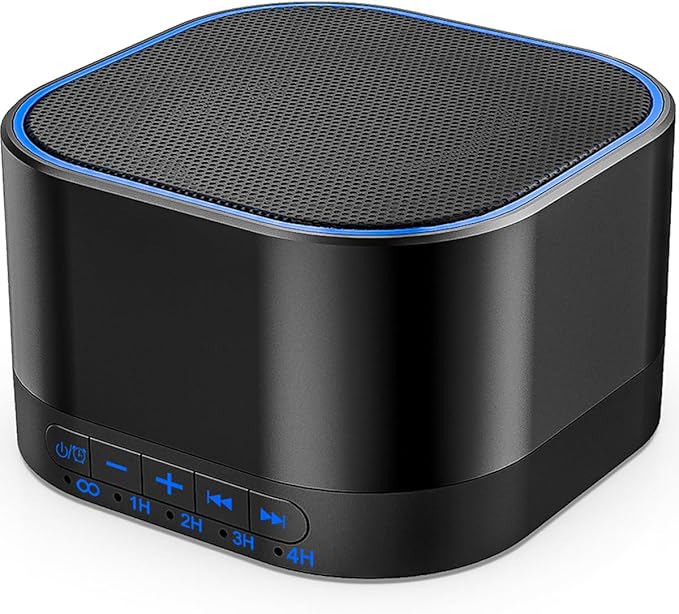
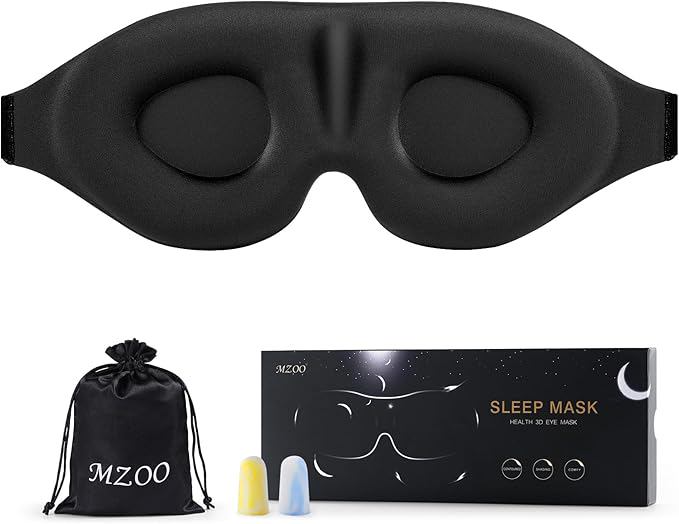
Since sleep quality is the battlefront, make your sleep environment a fortress. Use blackout curtains or a high-quality sleep mask to simulate darkness. A white noise machine or earplugs can buffer daytime sounds. Communicate your sleep schedule to household members so they know when you need quiet. Consistency is powerful—try to go to sleep and wake up at similar times even on your days off to reduce the jet-lag effect.
Be Strategic About Light and Food
Light is your circadian rhythm’s primary cue. After a night shift, wear blue-light-blocking sunglasses on your drive home to signal to your brain that it’s time to wind down. Conversely, when you need to be alert for a night shift, seek out bright light. Time your meals as consistently as possible, and try to make your largest meal before your shift, not in the middle of it. Keep nighttime meals lighter and easier to digest.
Listen and Advocate
Pay attention to which patterns make you feel worse and which help. If possible, discuss schedule options with your employer—fixed shifts are generally less disruptive than rotating ones. Remember, these warning signs are valid health concerns. Bringing them up with a healthcare provider can lead to supportive strategies tailored to you, ensuring you stay healthy and resilient for the long term.