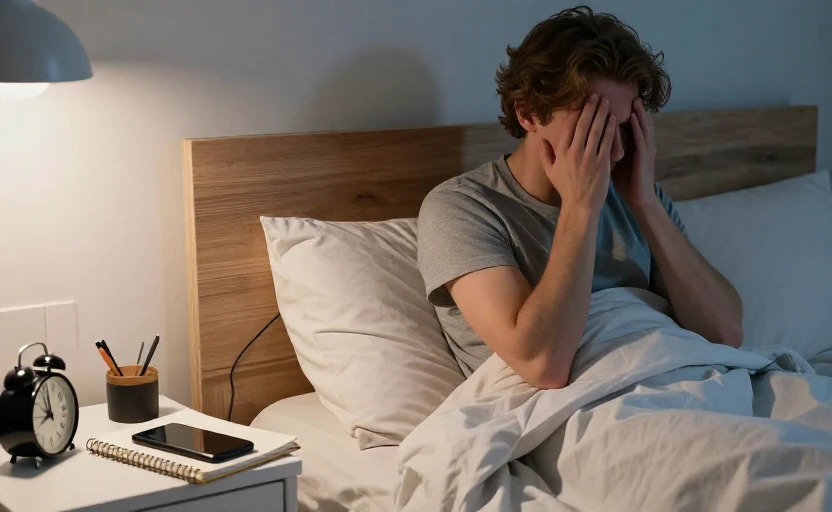
You turn off the lights, hoping for a peaceful transition into sleep, but instead, a familiar tension settles in. The very rituals meant to unwind you might be quietly working against you. A nighttime routine should be a sanctuary, a series of gentle cues that tell your body and mind it’s safe to power down. When it becomes a source of stress, the signs are often subtle, masquerading as simple restlessness or a bad day. Recognizing these signals is the first step toward reclaiming your evenings for true restoration.
1. You feel a sense of dread as your routine begins
Instead of looking forward to your evening wind-down, you notice a low hum of anxiety or obligation creeping in as you start. This isn’t about skipping a routine you enjoy; it’s about feeling pressured by a rigid checklist you’ve created. The goal of relaxation becomes another item to perform correctly, another chance to “fail” at self-care. You might find yourself watching the clock, calculating how long each step will take, or mentally rehearsing the tasks ahead instead of being present in the moment.
If your routine feels like a mandatory performance rather than a personal gift, it’s likely adding to your cognitive load.
This dread often stems from a routine that’s too long, too complex, or built on “shoulds” rather than genuine wants. Perhaps you read that you must journal, meditate, stretch, and read for an hour, so you try to cram it all in. The pressure to do it perfectly cancels out any potential benefit, leaving you more wound up than when you began.
2. Your mind races instead of quieting down
You’ve done everything “right”—you’re in bed, devices are away, the room is dark—but your thoughts are louder than ever. This mental chatter often focuses on the routine itself or the pressure to fall asleep. You might replay the day’s stresses, make tomorrow’s to-do list, or anxiously monitor your body for signs of drowsiness. The quiet space you’ve created has simply become a vacuum filled with worry.
This sign is a clear indicator that your routine is not effectively bridging the gap between daytime alertness and nighttime calm. The activities may be physically relaxing but lack the mental component needed to transition your nervous system from “go” to “slow.” A routine that increases stress keeps you in a state of low-grade alert, where even quiet moments feel threatening to a mind that’s been trained to solve problems all day.
3. You experience physical tension, not release
Pay attention to your body. Do you finish your routine with your jaw still clenched, shoulders hunched near your ears, or a knot in your stomach? Physical tension that persists or worsens during your wind-down is a direct signal from your nervous system. You might be going through the motions of a calming activity while your body remains in a state of fight-or-flight.
Common culprits include scrolling through stressful news or social media right before bed (even if it’s part of your “relaxing” scroll), engaging in intense debates or work discussions late in the evening, or doing a vigorous workout too close to bedtime without adequate cool-down. Even a warm bath can be stressful if you’re rushing through it or thinking about everything you didn’t get done. The body doesn’t lie; if it’s holding tension, your routine isn’t fully hitting the mark.
How to recalibrate your evening for true calm
The good news is that a stressful routine can be gently reshaped. The goal isn’t to add more rules, but to introduce flexibility and intention. Start by asking one simple question each evening: “What would feel genuinely soothing to me right now?” Some nights that might be a long bath with a book; other nights it might be simply sitting quietly with a cup of tea for five minutes.
Focus on incorporating one or two activities that promote a physiological shift. These are actions that directly signal safety to your nervous system:
- Breath awareness: Try a few minutes of simply noticing your breath without trying to change it. Placing a hand on your chest can help anchor your attention.
- Gentle movement: Slow, mindful stretches or a short, leisurely walk can help release physical tension stored from the day.
- Sensory grounding: Engage one sense deeply. Notice the warmth and weight of a blanket, the scent of a calming lotion, or the taste of a caffeine-free tea.
Most importantly, grant yourself permission for the routine to be short, simple, and sometimes skipped. Consistency is helpful, but rigidity is the enemy of calm. When you release the pressure for your evening to look a certain way, you create space for authentic relaxation to find its way in.
Your nighttime hours are precious. They don’t need to be optimized or perfected. By watching for these three signs—dread, mental chatter, and physical tension—you can begin to discern between a routine that serves you and one that subtly strains you. The path to better sleep and lower stress isn’t about doing more; it’s often about letting go of the things that, despite good intentions, are quietly keeping you on edge.