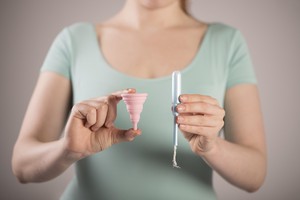
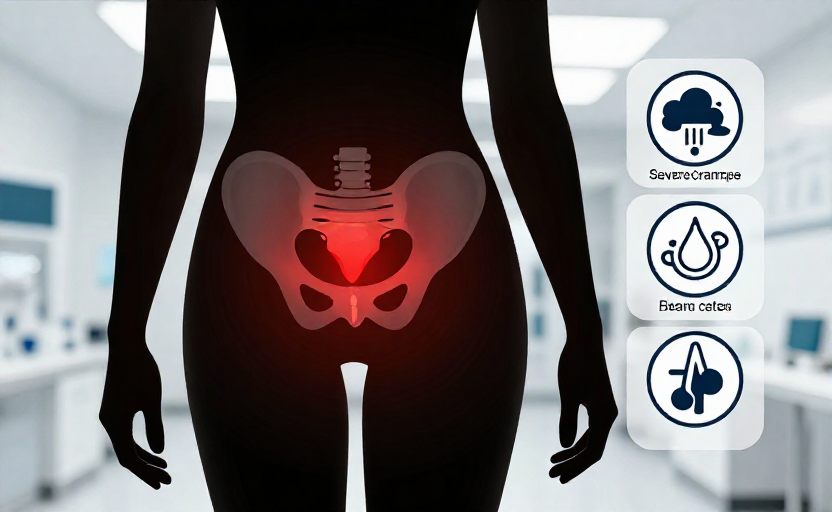
For many women, severe period pain is treated as just another monthly inconvenience. But when cramps go beyond dull aches and start interfering with daily life, they may be signaling something more than a normal cycle. Endometriosis affects roughly 1 in 10 women of reproductive age, yet it often goes undiagnosed for years because its symptoms closely mimic ordinary menstrual discomfort. Here are three warning signs that suggest your cramps might actually be endometriosis.
1. Pain That Gets Worse Over Time or Does Not Respond to OTC Pain Relievers
Normal menstrual cramps typically respond well to over-the-counter anti-inflammatories like ibuprofen or naproxen. If you find that your go-to pain relievers are no longer touching the pain, or if the intensity of your cramps has been escalating over several cycles, that is a red flag. Endometriosis pain is driven by inflammatory lesions that produce prostaglandins and other chemical irritants well beyond what a standard dose of ibuprofen can manage. This type of pain often feels deeper, more widespread, and may radiate into the lower back, thighs, or rectum.
2. Pain That Extends Beyond Menstruation
One of the clearest distinctions between primary dysmenorrhea (normal cramps) and endometriosis is the timing. Ordinary cramps usually begin a day or two before menstruation and taper off within the first 48 hours of bleeding. In endometriosis, pain can start a week before your period, continue through the entire flow, and linger for days or even weeks after it ends. You may also experience pain during or after sex, pain with bowel movements or urination, and a persistent dull ache in your pelvis that never fully goes away. This chronic pattern is what sets endometriosis apart from a typical monthly cramp.
3. Heavy Bleeding, Clots, or Spotting Between Periods
Endometriosis does not just cause pain—it can also alter the bleeding pattern. While heavy flow varies from woman to woman, soaking through a pad or tampon every hour, passing clots larger than a quarter, or needing to change protection overnight are all signs of abnormally heavy bleeding. Spotting or breakthrough bleeding between periods, especially in the days leading up to ovulation, is another clue. These bleeding irregularities often accompany the pain because the endometrial-like tissue growing outside the uterus can cause local inflammation and bleeding that irritates surrounding organs.
When to See a Doctor
If any of these signs sound familiar, especially if they have persisted for several cycles or are getting worse, it is worth discussing with a gynecologist. There is no simple blood test for endometriosis—diagnosis usually involves a pelvic exam, imaging such as ultrasound or MRI, and sometimes laparoscopic surgery for a definitive look. Early diagnosis does not just help manage pain; it can also protect fertility, since untreated endometriosis can cause scarring and adhesions that affect the ovaries and fallopian tubes.
The average time to diagnosis for endometriosis is still seven to ten years. Many women are told their pain is normal or that they have a low pain tolerance. Trust your instincts. If your cramps feel different from what you have experienced before, or if they match any of the patterns above, do not dismiss it. Your symptoms are real, and they deserve a thorough evaluation.