
That familiar ache in your breasts and the bone-deep tiredness that descends like clockwork each month can make the premenstrual phase feel like a second job. While many of us have learned to simply push through it, there are specific, natural ways to ease these two particularly stubborn symptoms—PMS breast tenderness and fatigue—starting with what you sip.
The hormonal shifts of the luteal phase, particularly the drop in progesterone and fluctuations in estrogen, affect how your body holds fluid, handles inflammation, and manages energy production. Instead of reaching for another cup of coffee to fight fatigue (which can actually worsen symptoms by spiking cortisol), these three targeted drinks address the underlying mechanisms of discomfort directly.
Why your breasts hurt and you feel drained
Before we get to the drinks, it helps to know what you're dealing with. Breast tenderness (cyclical mastalgia) is largely driven by estrogen dominance and fluid retention in the breast tissue. At the same time, your energy dips because magnesium levels—which help cells produce energy and calm the nervous system—are at their lowest right before your period. Prostaglandins, the hormone-like compounds that cause uterine cramps, can also amplify systemic fatigue and achiness.
Better nutrition, especially the right key minerals and anti-inflammatory compounds, helps your body maintain hormonal balance. But when you're already feeling run down, the easiest change you can make is what you put in your glass.
The three symptom-relief drinks to try
These three drinks are not complicated concoctions. They're made from everyday ingredients that have been used in traditional health systems for generations, and modern research supports their benefits for PMS breast tenderness and fatigue.
1. Magnesium-rich warm golden milk
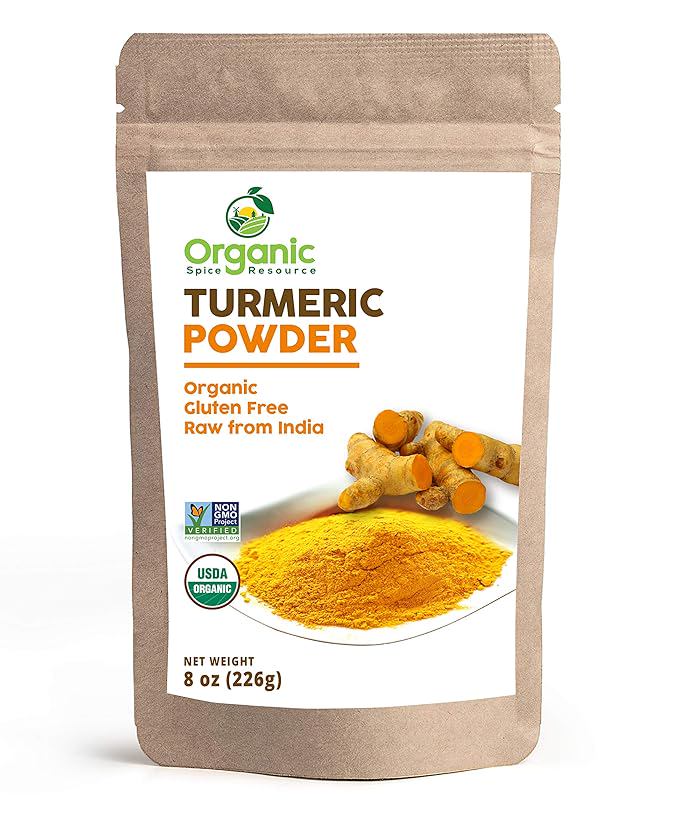
Golden milk—a warm blend of turmeric, milk (dairy or unsweetened almond milk), black pepper, and a touch of cinnamon—is one of the most effective options for PMS. Turmeric is a potent anti-inflammatory and works with the piperine in black pepper to reduce the prostaglandins that contribute to breast pain and overall achiness.
Make your golden milk with a magnesium-rich base like real cow's milk or an unsweetened oat milk fortified with magnesium, as magnesium helps relax muscle tissue and supports better sleep.
Drinking this in the evening supports the nervous system and helps relieve the deep fatigue of the luteal phase. The warmth itself is calming, promoting the relaxation that your adrenal glands need when they're taxed by hormonal changes.
2. Chamomile tea with a squeeze of lemon and a pinch of sea salt
Plain chamomile tea is well known for its mild calming properties, but it's the addition of lemon and a tiny pinch of (very small) high-quality sea salt that makes this drink particularly effective for PMS breast tenderness. Chamomile has anti-inflammatory flavonoid compounds that gently reduce swelling and fluid retention in the breast tissue. The lemon provides vitamin C, which also helps reduce inflammatory prostaglandins.
The sea salt (just a few crystals) provides trace electrolytes that help your body manage fluid balance more efficiently, reducing the edematous feeling in your chest. This drink is also caffeine-free, which is critical: avoiding additional coffee will help keep your adrenal glands from spiking cortisol and worsening fatigue.
3. Magnesium-infused tart cherry nightcap
Tart cherry juice has gained attention for its natural melatonin content and its ability to improve sleep quality and duration. For women facing PMS fatigue, sleep disruption is a major contributor to daytime exhaustion. A small glass of unsweetened tart cherry juice (about 4 ounces) in the evening helps regulate the sleep-wake cycle at a time when progesterone's natural sleep-promoting effects are waning.
You can boost this drink's benefits by mixing it with a magnesium glycinate supplement powder (always check the label for appropriate use) or simply stirring it into a glass of milk. The dual effect—improved sleep and magnesium's muscle-relaxing action—takes direct aim at the fatigue and physical tension that accompany PMS breast tenderness.
What to avoid (and why)
Equally important to what you drink is what you don't. Caffeine is a major aggravator of PMS breast tenderness because it can increase the glandular tissue's sensitivity to hormonal fluctuations. Alcohol, too, disrupts sleep architecture and adds to fluid retention. During the luteal phase, opt for these three drinks instead of coffee or wine, and you may notice a significant shift within a cycle or two.
These drinks are not a cure for severe PMS or PMDD (Premenstrual Dysphoric Disorder). They are supportive, gentle strategies that help your body handle the natural hormonal low tide with more ease. If your symptoms include extreme mood changes, pain that keeps you from functioning, or heavy bleeding that disrupts your life, please reach out to a healthcare provider for a full assessment.
How consistency makes a difference
Start incorporating these drinks a few days before you expect PMS symptoms to begin—typically around ovulation or day 14 of your cycle—and continue until your period starts. The anti-inflammatory and mineral-rich compounds work best when they have time to build up in your system. Within one to three cycles, you may find that the familiar ache and exhaustion are noticeably less intense.
Listen to your body. If any of these drinks feel too sweet, tart, or stimulating (even the mild ones), adjust proportions. The goal is relief, not a new source of stress.