
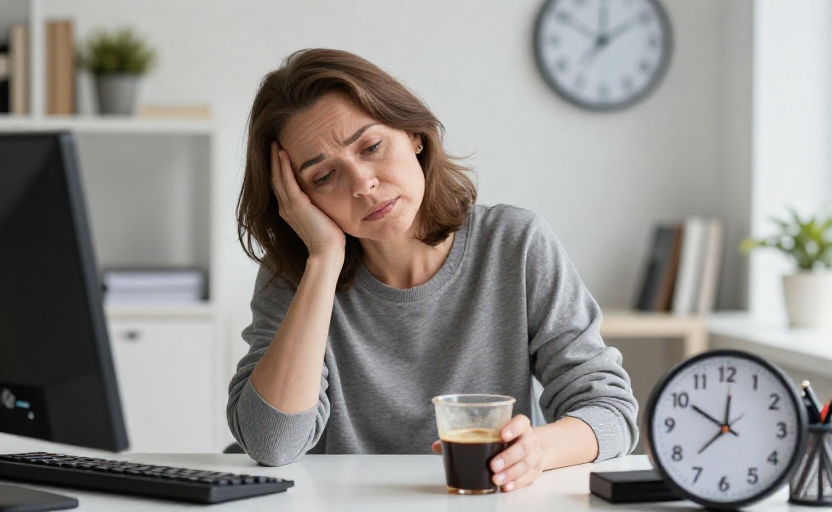
That afternoon latte or energy drink is a ritual for millions, a reliable bridge over the 3 p.m. slump. But as the years pass, you might notice your once-solid sleep isn’t what it used to be. The connection isn’t always obvious—after all, you’ve been drinking coffee for decades. Yet, the way your body processes caffeine and regulates sleep evolves with age, turning a harmless habit into a potential thief of restful nights.
Recognizing the subtle signs that your afternoon pick-me-up is interfering with sleep is the first step toward reclaiming your energy naturally. It’s not necessarily about giving up caffeine entirely, but about understanding its new relationship with your changing biology.
Why Caffeine Hits Differently as You Age
Caffeine works by blocking adenosine, a neurotransmitter that builds up in your brain throughout the day to promote sleepiness. When you’re younger, your body may clear caffeine more efficiently and maintain robust sleep drive, making you less susceptible to its lingering effects. With age, several shifts occur. Metabolism slows, meaning caffeine can linger in your system longer. You may also experience a natural advance in your circadian rhythm, feeling sleepy earlier in the evening and waking earlier in the morning. Furthermore, sleep architecture becomes more fragile, with lighter, more easily disrupted sleep.
An afternoon caffeine habit can directly clash with these changes, amplifying age-related sleep vulnerabilities rather than just masking afternoon fatigue.
The First Sign: You’re Tired but Wired at Bedtime
This is the classic, yet often-misread, signal. You feel physically exhausted, your mind is foggy, but the moment your head hits the pillow, a low-grade alertness kicks in. You can’t settle. Your thoughts may race, or you simply lie there in a state of quiet wakefulness. This is the “tired but wired” paradox.
It happens because the sleep pressure from adenosine is high, but the caffeine you consumed hours earlier is still partially blocking its receptors. Your body is receiving mixed signals: deep fatigue from the day competing with chemical-induced alertness. You might blame stress or an overactive mind, but the culprit could be that 4 p.m. coffee whose effects are stretching far into your evening.
If you feel exhausted in your body but alert in your mind at bedtime, consider your afternoon caffeine intake as a possible cause.
The Second Sign: Frequent Nighttime Awakenings
Falling asleep isn’t the only measure of good rest; staying asleep is critical. As we age, sleep naturally becomes lighter and more fragmented. Caffeine can exacerbate this significantly. Even if it doesn’t prevent you from dozing off, its continued presence in your system can reduce your sleep depth and increase arousals.
You might find yourself waking up at 2 a.m. or 3 a.m. for no apparent reason, struggling to fall back asleep for a long period. This is because caffeine can suppress the deeper, more restorative stages of sleep (slow-wave sleep) and increase lighter stage 1 and 2 sleep. The result is a night that feels choppy and unrefreshing, even if you clocked seven or eight hours in bed.
The Third Sign: Morning Fatigue Despite “Enough” Sleep
This sign closes the loop on a vicious cycle. You go to bed at a reasonable time, you might even sleep through the night, yet you wake up feeling unrefreshed, groggy, and reliant on—you guessed it—morning caffeine to jumpstart your day. This non-restorative sleep is a hallmark of poor sleep quality, not just short sleep duration.
When afternoon caffeine disrupts your sleep architecture, you miss out on the deep, reparative stages. Your body doesn’t complete the necessary cycles for physical repair and cognitive consolidation. So, you wake up feeling like you barely slept, reaching for coffee again, which sets the stage for another afternoon dose and another compromised night. The habit becomes self-perpetuating.
How to Adjust Your Habit for Better Sleep
If these signs resonate, the goal isn’t to instill panic but to encourage mindful experimentation. The solution is often about timing and observation, not absolute deprivation.
1. Gradually Push Your Cutoff Time Earlier
The half-life of caffeine (the time it takes for your body to eliminate half of it) averages 4-6 hours, but it can be longer. For older adults, it’s often on the longer end. If you currently have caffeine at 4 p.m., half of it may still be in your system at 9 p.m. or 10 p.m. Try moving your last cup to 2 p.m., then to noon, over a couple of weeks. Observe if your sleep onset or nighttime awakenings improve.
2. Audit All Your Sources
Caffeine isn’t just in coffee. It’s present in many teas, sodas, dark chocolate, and even some medications like pain relievers. That afternoon green tea or piece of chocolate could be contributing to the load. Keep a casual log for a few days to see your total intake.
3. Redefine Your Afternoon Boost
Often, the afternoon slump is about dehydration, blood sugar dips, or simply monotony. Before automatically reaching for caffeine, try:
- A large glass of cold water
- A 5-10 minute walk outside in natural light
- A handful of nuts or a piece of fruit for stable energy
- A few minutes of deep breathing or stretching
These interventions can provide a genuine reset without the sleep-disrupting side effects.
Listening to your body’s changing needs is a cornerstone of well-being. Your afternoon caffeine ritual might have served you well for years, but if sleep issues are emerging, it’s a relationship worth reevaluating. Small, thoughtful adjustments can break the cycle of daytime caffeine and nighttime wakefulness, leading to more sustained, natural energy and truly restorative sleep.