
When your alarm goes off at 3:00 AM and the rest of the world is asleep, your body knows something is off. Shift work sleep disorder (SWSD) isn't just about feeling tired—it's a legitimate circadian rhythm misalignment that affects millions of nurses, factory workers, emergency responders, and warehouse employees. And while your schedule is largely non-negotiable, certain daily habits can make the sleep disruption significantly worse.
Let's look at three specific lifestyle factors that commonly worsen SWSD, plus practical adjustments that can help you recover more effectively between shifts.
1. Erratic meal timing and heavy eating before sleep
What you eat matters, but when you eat might matter even more for shift workers. When you consume a large, heavy meal close to the end of your shift—especially one high in fat or refined carbohydrates—your digestive system has to work hard right when your body temperature should be dropping in preparation for sleep. This can delay sleep onset, reduce deep sleep quality, and increase nighttime awakenings.
Research suggests that eating within two hours of your intended sleep time can elevate core body temperature and trigger insulin responses that interfere with melatonin production. For a night shift worker trying to sleep at 9:00 AM, that post-shift breakfast burrito or pizza might feel like a reward, but it's actively working against your sleep drive.
What to do instead
- Front-load your calories. Eat your largest meal early in your shift, then taper down. Aim to stop eating solid food at least two to three hours before your designated sleep window.
- Choose lighter pre-sleep snacks. If you must eat something before sleeping, keep it small and protein-forward—think Greek yogurt, a banana, or a handful of almonds. Avoid sugary or greasy foods that spike blood sugar.
- Stay hydrated but time it right. Drink water steadily through your shift, but reduce fluid intake in the last two hours of work to minimize middle-of-sleep bathroom breaks.
2. Using bright, blue-enriched light at the wrong times
Light is the strongest signal your circadian rhythm receives. For a night shift worker, bright light exposure during your shift helps keep you alert and safe—but exposing yourself to that same type of light when you're trying to wind down can trick your brain into thinking it's daytime. The problem is that many of us reach for our phones, tablets, or television screens immediately after getting home, which delays melatonin release and makes it harder to fall asleep.
Compounding this, some shift workers drive home in bright morning sunlight, then wonder why they feel wired when they hit the pillow. The combination of post-shift screen use and natural morning light exposure can keep your internal clock locked to a daytime schedule.
What to do instead
- Create a light-blocking routine for your commute. If you drive home after a night shift, wear blue-blocking glasses or sunglasses—even if it's overcast. Keep the car's interior lights dim. Consider using a sleep mask for the last portion of your commute if you're a passenger.
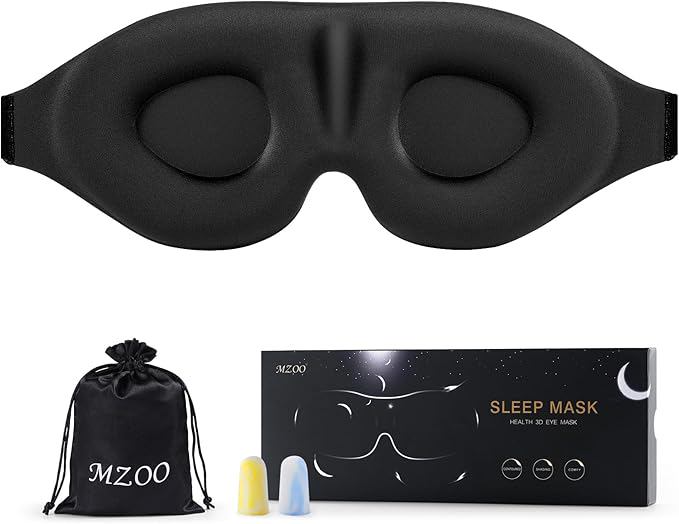
- Use blackout curtains without compromise. Ordinary curtains often leak enough light to disrupt deep sleep. Install blackout blinds or use a high-quality sleep mask. Your bedroom should be pitch black—no charger lights, no streetlight gaps.
- Set a screen curfew. Stop using phones, tablets, and laptops at least 30 minutes before sleeping. If you need to wind down, try reading a physical book or listening to an audiobook or podcast with a low-volume, low-blue-light device.
3. Inconsistent shift schedules and erratic sleep windows
This one is partly systemic, but there's often more flexibility than people realize. Rotating shifts—especially those that rotate forward (morning to evening to night) rather than backward—are known to be harder on the body. But even within a fixed night shift schedule, many workers make the mistake of drifting their sleep window by several hours on days off, effectively giving themselves jet lag twice a week.
Think of your sleep anchor point as a fixed appointment. If you normally sleep from 9:00 AM to 4:00 PM after night shifts, try to stay within an hour of that window—even on your first day off—to protect your circadian alignment.
When you jump back to a daytime schedule on weekends and then return to night shifts Monday morning, your body never fully adapts to either schedule. This pattern, sometimes called "social jet lag," can worsen the severity of SWSD symptoms like excessive sleepiness, insomnia, and difficulty concentrating.
What to do instead
- Choose a consistent sleep anchor. Pick a sleep window that works for your typical shift pattern and stick to it within about 60 to 90 minutes, even on days off. If you're a permanent night shift worker, that might mean sleeping from 8:00 AM to 3:00 PM every day.
- Use strategic napping. A short nap (20 to 30 minutes) before your shift can improve alertness without interfering with your main sleep block. Avoid naps longer than 90 minutes, which can leave you groggy and disrupt your anchor sleep.
- Negotiate shift rotation direction. If you have input into your schedule, ask for forward-rotating shifts (day to evening to night) rather than backward rotations. The body adapts more easily to a later schedule than an earlier one.
These three lifestyle factors—meal timing, light exposure, and schedule consistency—are all within your sphere of influence. While shift work will always pose challenges for sleep, small adjustments in each area can meaningfully improve your sleep quality and daytime alertness. Focus on one change at a time, and give your body a few weeks to adjust before adding another modification.