In the quiet moments of the day, when the mind feels crowded and the shoulders are tight, a simple ritual can offer a profound pause. Reaching for a warm cup of herbal tea is more than just hydration; it’s an act of gentle, deliberate self-care. For centuries, cultures around the world have turned to specific plants not just for flavor, but for their calming properties, using the ritual of steeping and sipping as a way to slow down and soothe the nervous system.
While no cup of tea can erase life’s pressures, certain herbs have a long-standing reputation for helping to support the body’s natural relaxation response. The key lies in choosing the right herb for your moment and knowing how to prepare it to get the most from its subtle benefits. Here, we’ll explore three of the most trusted herbal teas for stress support and how to integrate them thoughtfully into your routine.
Chamomile: The Classic Calmer
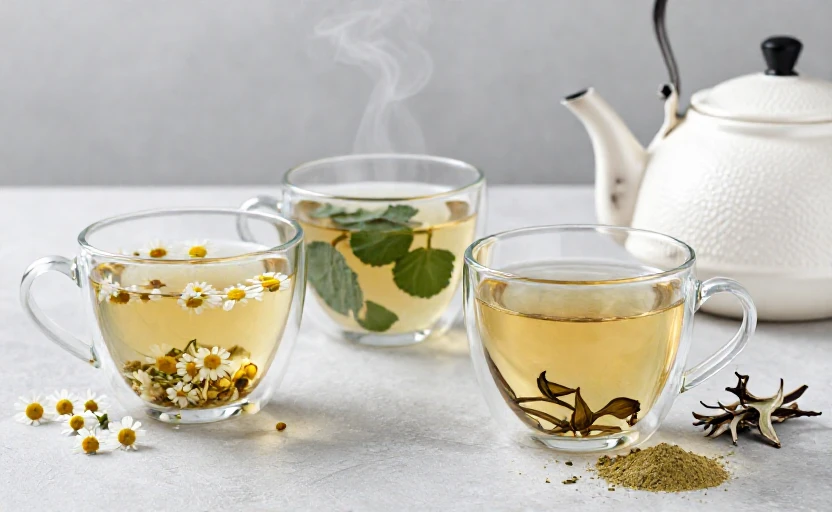
Often the first herb that comes to mind for relaxation, chamomile is like a soft blanket in a cup. Its gentle, apple-like flavor and delicate aroma are deeply familiar. The calming effect is primarily attributed to an antioxidant called apigenin, which may help promote a sense of tranquility.
Chamomile shines as an evening companion. Its mild, soothing nature makes it an ideal choice for unwinding after a long day or preparing for rest.
For a more effective brew, cover your cup while it steeps to trap the volatile essential oils that carry much of the benefit and aroma.
Steep one to two teaspoons of dried chamomile flowers in just-boiled water for 5 to 10 minutes. A longer steep yields a stronger, slightly more bitter tea, which some prefer for its potency.
Lemon Balm: The Uplifting Soother
Lemon balm offers a different kind of calm. With its bright, citrusy scent and flavor, it feels both calming and mildly uplifting. Historically used to ease tension and support a positive mood, lemon balm is for those moments when stress feels tangled with restlessness or low spirits.
This herb pairs beautifully with a few minutes of quiet breathing or light stretching. Its refreshing quality makes it suitable for daytime use when you need to reset without becoming drowsy.
Use one tablespoon of fresh leaves or one to two teaspoons of dried leaf per cup. Pour hot (not boiling) water over the leaves and steep for 5 to 7 minutes. Lemon balm can also be enjoyed as a cool infusion; simply steep it in room-temperature water for several hours in the refrigerator.
Ashwagandha: The Adaptogenic Ally
Ashwagandha stands apart as an adaptogen—a class of herbs believed to help the body better cope with physical and mental stressors. Unlike the immediate, situational calm of chamomile or lemon balm, ashwagandha is often used consistently over time to help support the body’s resilience to stress. Its earthy, slightly bitter taste is distinctive.
Because adaptogens work with the body’s systems, their effects are typically subtle and cumulative, noticed more over weeks of regular use rather than in a single cup.
Ashwagandha root is usually simmered, not steeped. Add about a teaspoon of powdered ashwagandha root (or a few slices of dried root) to a cup of water or milk of your choice. Gently simmer for 5 to 10 minutes, then strain. A pinch of cinnamon or cardamom can help mellow its earthy flavor. Many find taking it in the morning or early afternoon supports sustained energy and calm throughout the day.
How to Use Herbal Teas Effectively
The ritual is as important as the herb itself. Herbal teas work best when sipped mindfully, not gulped on the go. Create a small pocket of peace: put the kettle on, choose your cup deliberately, and take those five to ten minutes to just be with the warmth and the aroma.
Listen to your body. Notice how you feel before and after your tea. Does chamomile make you pleasantly sleepy, or does lemon balm better suit your afternoon slump? Your personal response is your best guide.
Consider consistency. For herbs like ashwagandha, daily use for several weeks may be needed to notice an effect. For chamomile or lemon balm, you might use them as needed when you feel tension rising.
Quality matters. Seek out organic herbs from reputable sources to ensure purity and potency. Loose-leaf herbs often provide a fresher, more flavorful cup than pre-bagged teas.
Remember, these herbs are gentle supports, not cures. They are one piece of a holistic approach to managing stress, which includes good nutrition, movement, sleep, and social connection. If you have any health conditions or are pregnant, breastfeeding, or taking medications, it’s wise to consult with a healthcare provider before making herbal teas a regular part of your routine. In the simple, ancient act of brewing a cup of tea, you are honoring your need for a moment of calm—and that in itself is a powerful step.