
If your family medical history suggests a pattern of frequent infections or slow recovery, you may wonder whether your diet can help shift the odds. While no single food rewrites your genetic script, certain nutrients are known to support the immune system by strengthening cell membranes, regulating inflammation, and feeding the beneficial bacteria that guard your gut. Here are three foods worth prioritizing when your lineage points to weaker immunity.
Why family history matters for immune health
Your genes influence how your body produces antibodies, manages inflammation, and repairs tissues. If close relatives have dealt with recurrent colds, autoimmune conditions, or poor vaccine responses, you may have inherited variants that make your immune system less efficient. The good news? Nutritional choices can influence gene expression. Consuming targeted foods helps create an environment where your immune cells can function at their best, even when genetics stack the odds against you.
1. Fatty fish: a direct source of immune-regulating fats
Salmon, mackerel, sardines, and herring are rich in omega-3 fatty acids—specifically EPA and DHA. These fats help reduce chronic inflammation, which can otherwise suppress immune activity. Omega-3s also enhance the function of B cells (which produce antibodies) and T cells (which destroy infected cells). For someone with a family tendency toward sluggish immunity, adding two servings of fatty fish per week provides a steady dose of these protective compounds. If you do not eat fish, a high-quality algae-based omega-3 supplement may offer similar benefits, though whole foods remain the preferred source.
How to include more fatty fish
Try grilled salmon over a bed of leafy greens, sardines mashed on whole-grain toast, or canned mackerel mixed into a salad. To preserve the delicate oils, cook fish gently—poaching or baking at moderate heat works better than deep-frying.
2. Fermented foods: support the gut-immune connection
The gut houses roughly 70 percent of your immune cells. Fermented foods such as yogurt, kefir, sauerkraut, kimchi, and miso contain live probiotics that help maintain a diverse microbiome. When family history includes weak immunity, an imbalanced gut flora can worsen the problem by allowing harmful bacteria to thrive and by reducing the production of short-chain fatty acids that calm inflammation. Regular consumption of fermented foods has been linked to fewer respiratory infections and a stronger antibody response.
A practical caveat: If you are new to fermented foods, start with one tablespoon of sauerkraut or a small serving of yogurt per day. Increasing fiber intake alongside fermented foods (think vegetables, legumes, and whole grains) feeds the good bacteria and maximizes the benefit.
3. Zinc-rich foods: a mineral that immune cells depend on
Zinc is essential for the development and function of neutrophils, natural killer cells, and macrophages—your frontline defenders. A deficiency, even a mild one, can slow immune response and increase infection risk. Oysters are the richest dietary source, but other reliable options include beef, pumpkin seeds, chickpeas, cashews, and fortified cereals. If your family history suggests poor immunity, paying attention to zinc intake is a simple, evidence-based step.
Getting enough zinc from your plate
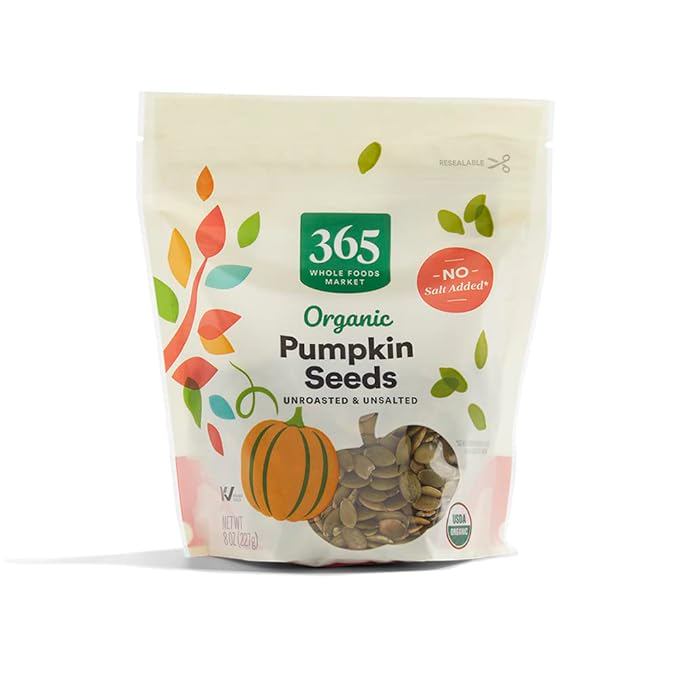
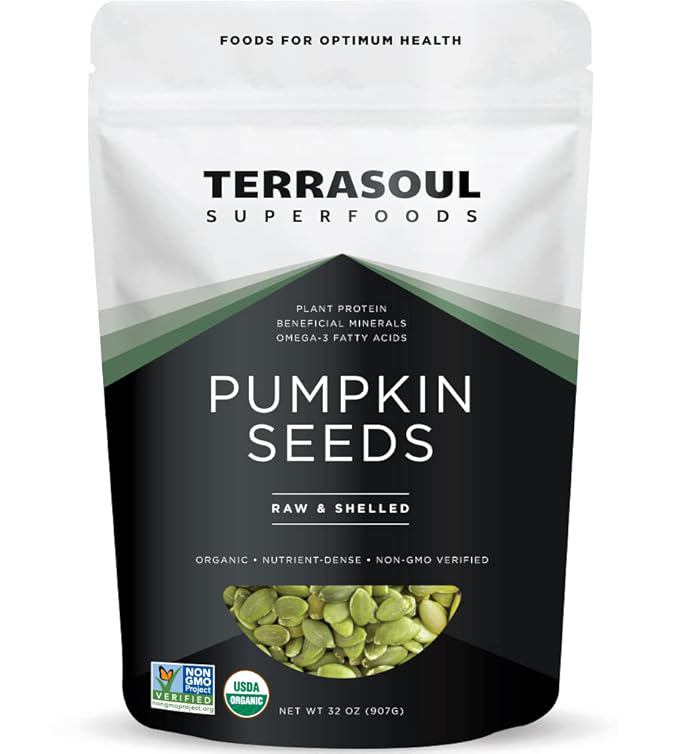
Include a handful of pumpkin seeds on oatmeal or salad, add chickpeas to stews, or enjoy a lean beef stir-fry with vegetables. Because zinc absorption can be blocked by the phytates in whole grains and legumes, soaking or sprouting those foods before cooking improves mineral availability. Aim to meet the recommended dietary allowance (11 mg per day for adult men, 8 mg for adult women) through food rather than high-dose supplements unless a healthcare provider identifies a deficiency.
Putting it together: a sample eating pattern
A day focused on immune support might look like breakfast with plain yogurt and a tablespoon of pumpkin seeds, lunch with a spinach salad topped with grilled salmon and a side of sauerkraut, and dinner featuring a lentil stew with a squeeze of lemon (vitamin C further aids zinc absorption). This pattern supplies omega-3s, probiotics, zinc, and vitamin C without requiring complicated recipes or expensive ingredients.
The foods you choose daily cannot erase your genetic inheritance, but they can shift the terrain your immune system operates in. Fatty fish, fermented foods, and zinc-rich ingredients each target a different aspect of immune function. When family history suggests you need extra help, these nutrient-dense options offer a practical place to start. As always, consult a registered dietitian or your primary care provider before making major dietary changes, especially if you take medications or have existing health conditions.