
After a heated argument or a tense disagreement with your partner, your body doesn't just feel emotionally drained—it often feels physically wound up. Stress hormones like cortisol spike, your heart rate stays elevated, and your nervous system is on high alert. While taking deep breaths or going for a walk can help, what you put on your plate matters too.
We asked dietitians which foods can help calm your nervous system and restore a sense of balance after relationship conflict. Here are three evidence-backed options they recommend including in your next post-argument meal or snack.
Why food matters after a fight
A relationship conflict triggers your body's fight-or-flight response. This stress reaction depletes key nutrients and can leave you feeling jittery, irritable, or mentally foggy. Instead of reaching for a sugary drink or a bag of chips, dietitians suggest foods that help lower cortisol, replenish magnesium, and support the production of calming neurotransmitters like serotonin and GABA.
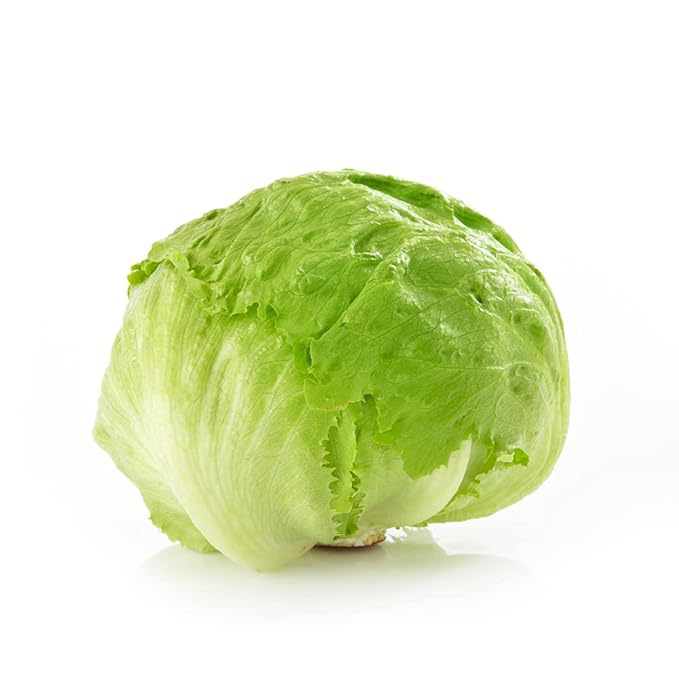
1. Dark leafy greens (spinach, kale, or Swiss chard)
Dark leafy greens are rich in magnesium, a mineral that often gets depleted during high-stress periods. Magnesium helps regulate the hypothalamic-pituitary-adrenal (HPA) axis, which controls your cortisol response. Without enough magnesium, your body stays stuck in stress mode. Adding a simple side of sauteed spinach or a kale salad to your meal can replenish this calming mineral and help your muscles physically relax after tension. Many of us are low in magnesium anyway, so eating greens after an argument is a gentle way to help your nervous system reset.
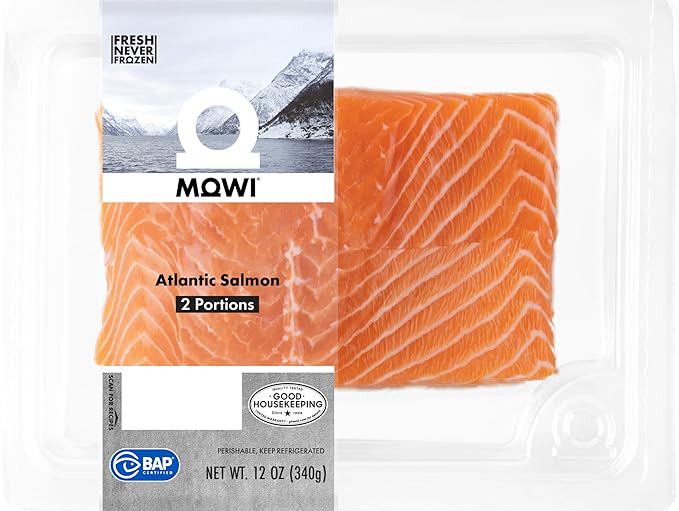
2. Omega-3-rich fatty fish (salmon, sardines, or mackerel)
Omega-3 fatty acids can reduce inflammation paired with chronic stress and have been shown to lower levels of cortisol and adrenaline. After an emotional fight, your body's inflammatory markers can rise, which contributes to that lingering feeling of being unsettled. A portion of grilled salmon or a tin of sardines on toast provides DHA and EPA, which support brain health and mood regulation. One study in older adults found that omega-3 supplementation decreased anxiety and inflammation. Dietitians note that if you have fish on hand for dinner, it may help you feel steadier emotionally by the time you sit down to talk things through.
3. Fermented foods (yogurt, kefir, or sauerkraut)
The gut-brain axis plays a major role in how you handle stress. Fermented foods contain probiotics that support a diverse gut microbiome, which helps produce neurotransmitter precursors. The gut actually manufactures about 90 to 95 percent of your body's serotonin, the key to stable mood and calmness. When you eat plain yogurt or a serving of sauerkraut after a relational conflict, you are directly helping your gut bacteria produce more of the compounds that put you at ease. Dietitians recommend pairing fermented foods with a meal to improve absorption and reduce any bloating that might add to physical discomfort. Some research suggests that women who consumed probiotics daily experienced less activation in brain regions tied to emotional reactivity, making it easier to re-engage with your partner calmly.
How to combine these foods after an argument
You do not need an elaborate recipe—just a smart pairing. A bowl of spinach sauteed in olive oil with a piece of wild salmon and a side of plain Greek yogurt with berries offers a full stress-reduction plate. The magnesium from the greens calms your nervous system, the omega-3s quell inflammation, and the probiotics from the yogurt help regulate mood. If you are not hungry for a full meal, a quick smoothie made with kefir, frozen spinach, and a handful of berries works too. The key is to choose foods that nourish rather than stimulate. Avoid heavy caffeine, refined sugar, and alcohol, which can spike cortisol and leave you feeling more on edge.
Keep in mind that no food is a cure-all. These choices are meant to support your body while you do the relational work of repairing trust and understanding. Over time, using nutrition as a tool during moments of stress can help build a healthier baseline for both your mental and physical well-being.