
Working through the night and sleeping during the day is a tough rhythm for any body. Your internal clock is fighting biology, and what you eat right before bed can make the difference between four hours of fitful rest and seven hours of real recovery. The wrong foods don't just keep you awake—they actively sabotage your sleep quality by disrupting digestion, spiking blood sugar, or overstimulating your nervous system.
If you're a night-shift worker trying to get quality daytime sleep, here are three foods to steer clear of before you pull the curtains closed.
Heavy, high-fat meals
A burger and fries at 6 a.m. might feel like a reward after a long shift, but it's one of the worst things you can eat before daytime sleep. High-fat foods take hours to digest. Your body uses significant energy to break down that meal, which raises your core temperature and keeps your metabolism active when you need it to wind down.
This directly interferes with your ability to reach deep, restorative sleep stages. The result is fragmented sleep, more nighttime awakenings, and waking up feeling groggy even if you were in bed for eight hours.
Think rich, greasy options like fried chicken, pizza with extra cheese, or creamy pasta dishes. If you're genuinely hungry at the end of a shift, opt for something light—lean protein like turkey or chicken, a small serving of yogurt, or a banana. Keep the fat content low.
Caffeine-loaded or sugary drinks
This one can be tricky because many night-shift workers rely on coffee or energy drinks to get through the last few hours of a shift. But drinking them too close to your bedtime creates a measurable problem. Caffeine blocks adenosine, the neurotransmitter that builds sleep pressure over time. If you've had a latte or a soda within four hours of your planned sleep time, you're essentially blocking yourself from falling asleep naturally.
Sugar plays a different role. High-sugar drinks like sweetened iced tea, sports drinks, or soda cause a rapid spike in blood glucose, followed by a crash. That crash can produce a jolt of cortisol and adrenaline, waking you up or making your sleep restless. Even if you fall asleep, your body is fighting hormonal swings instead of resting.
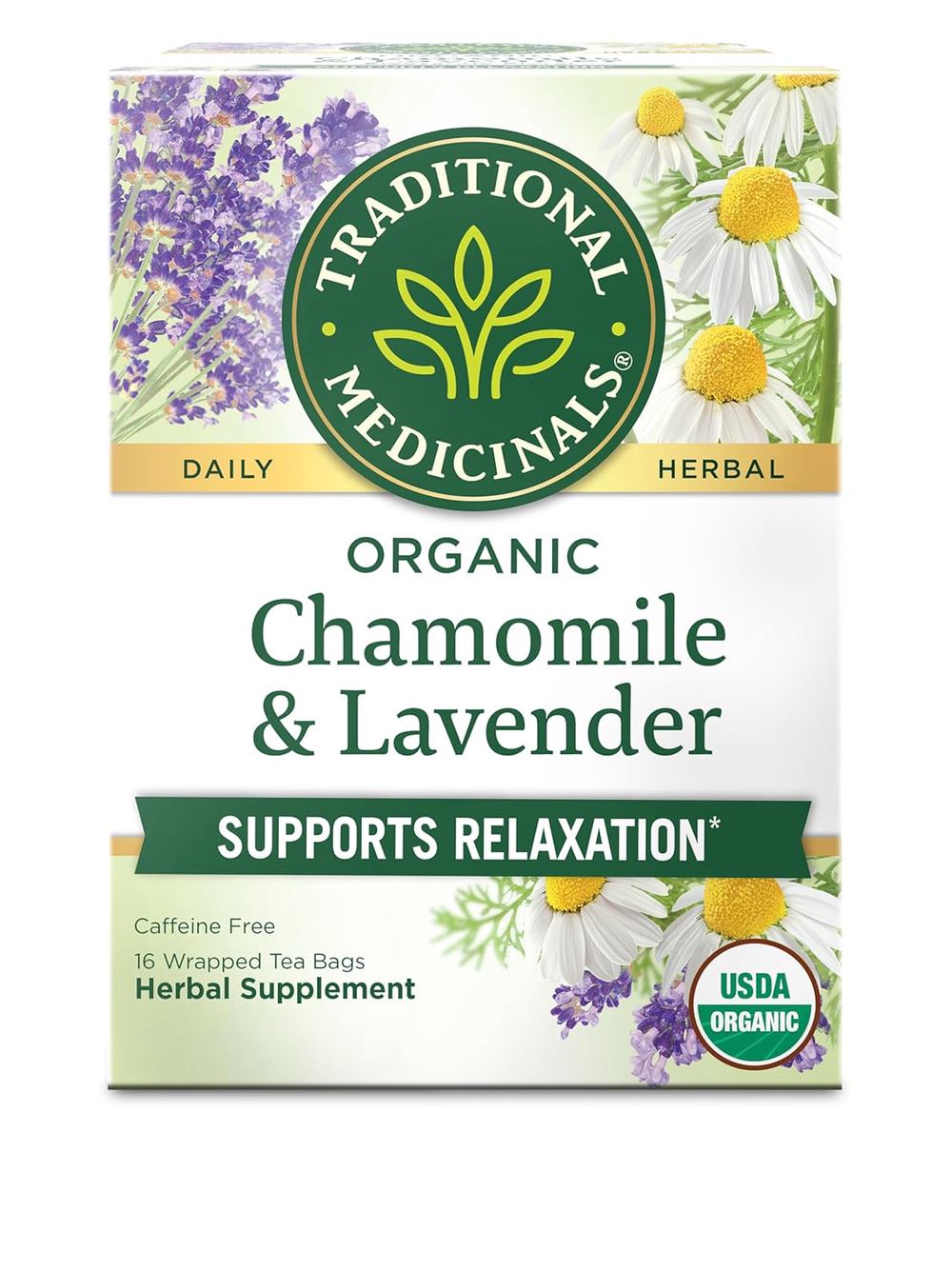
A better approach: If you need a drink to stay alert in your final shift hours, choose water or an herbal tea like chamomile or peppermint. Switch away from anything with caffeine or added sugar at least three hours before your daytime bedtime.
Spicy foods
A bowl of chili or a spicy curry might sound comforting at 5 a.m., but the capsaicin in chili peppers and similar compounds in other spices can raise your body temperature and trigger heartburn or acid reflux—both of which make falling asleep much harder.
Your body naturally cools down as it prepares for sleep. Spicy foods temporarily reverse that process by increasing thermogenesis, essentially heating you up from the inside. Add to that the risk of gastric discomfort when you lie down horizontally, and you have a recipe for tossing and turning.
Even if you don't feel obvious heartburn, the digestive irritation can be enough to shift you out of deep sleep cycles. This is especially problematic during daytime sleep, when your circadian rhythm is already working against you.
Beyond avoiding these specific foods, the timing of your last meal matters. You may find that eating a small, balanced snack about 30 to 60 minutes before you sleep works better than going to bed either full or starving. Pay attention to what your body actually tolerates—we're all a little different.
Making a small adjustment to what you eat before daytime sleep can increase your total sleep time and improve how rested you feel when you wake. The best sleep strategy for a night-shift worker is simple: a calm stomach, stable blood sugar, and no unnecessary stimulants.