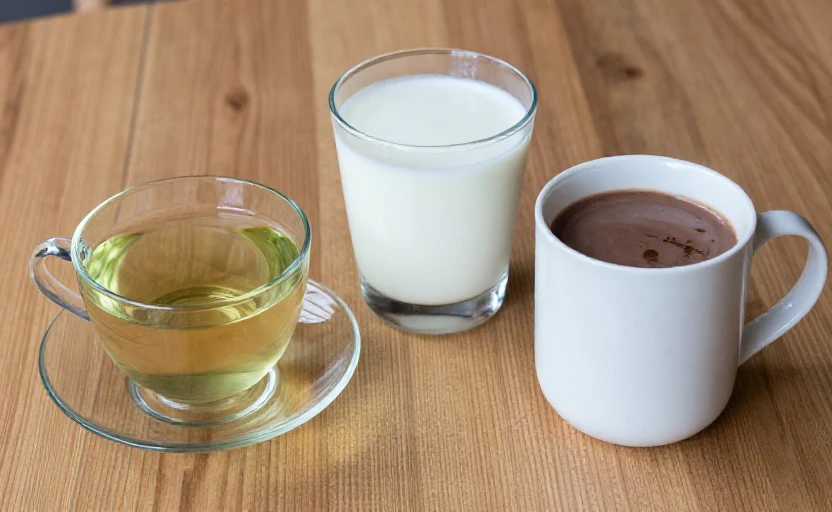
When we think about supporting our mood, we often focus on therapy, exercise, or meditation. But what we choose to drink throughout the day can also be a simple, accessible part of a holistic mood management strategy. Emerging research suggests certain beverages contain compounds that may positively influence brain chemistry, offering a gentle, complementary layer of support alongside other healthy habits.
It’s crucial to frame this correctly: no drink is a magic potion for happiness or a substitute for professional mental healthcare. Instead, think of these as evidence-backed options that may help create a more supportive internal environment. They’re about nourishment, not medication. Here, we explore three beverages with promising research behind them, looking at how they might fit into your daily routine.
Green Tea: The Calm Focus
Beyond its reputation as a healthful antioxidant powerhouse, green tea offers a unique combination of compounds that may support a steady, alert, yet calm state of mind. The key players are L-theanine and a modest amount of caffeine, which appear to work in concert.
L-theanine is an amino acid found almost exclusively in tea leaves. Studies suggest it can promote relaxation without drowsiness, a state sometimes described as “calm alertness.” It’s thought to do this by influencing levels of certain neurotransmitters in the brain, including GABA, serotonin, and dopamine. Meanwhile, the modest caffeine content in green tea (about 20-45 mg per cup, compared to 95 mg in coffee) provides a gentle lift.
The interesting part is their interaction. Research indicates that L-theanine may help smooth out the potential jittery effects of caffeine. Instead of a sharp spike and crash, you might experience a more sustained and focused sense of energy. For someone managing mood, this can mean avoiding the anxiety or irritability that sometimes comes with high caffeine intake, while still benefiting from improved attention.
Tip: For the potential mood-supportive benefits, look for traditional, high-quality loose-leaf or bagged green tea. Matcha, a powdered form where you consume the entire leaf, provides a more concentrated source of L-theanine.
Fermented Drinks: The Gut-Brain Connection
The idea that gut health is linked to mood is more than a wellness trend—it’s a growing field of scientific study called psychobiotics. The gut and brain communicate via the vagus nerve and through neurotransmitters produced in the digestive system. Fermented drinks, which contain live probiotics, may play a role in supporting this gut-brain axis.
Kefir, a tangy, yogurt-like drink, and certain kombuchas are rich in diverse strains of beneficial bacteria. While research is still evolving, some studies have linked probiotic consumption to modest improvements in mood and stress response. The theory is that a healthier gut microbiome may help regulate inflammation and support the production of mood-influencing neurotransmitters like serotonin, a significant amount of which is actually made in the gut.
It’s a subtle, foundational approach. You’re not drinking kefir for an immediate mood shift, but rather to help cultivate an internal environment that’s more resilient to stress. Consistency is key here, as with most probiotic benefits.
- Choose wisely: Opt for unsweetened or low-sugar versions of kefir and kombucha to avoid the energy crashes associated with high sugar intake, which can negatively impact mood.
- Start slow: If you’re new to fermented foods, begin with a small serving (like 1/2 cup) to allow your digestive system to adjust.
Dark Cocoa Beverages: A Rich Source of Flavanols
There’s a reason a cup of rich hot chocolate can feel like a comforting hug. Beyond the psychological comfort of a warm, sweet treat, dark cocoa (with a high percentage of cocoa solids) is a source of compounds called flavanols. These plant nutrients have been studied for their potential benefits on blood flow, including to the brain.
Improved cerebral blood flow is thought to support cognitive function and may have downstream effects on mood. Some research suggests that regular consumption of cocoa flavanols is associated with improved self-reported calmness and contentedness. The experience of savoring a deeply flavorful, minimally sweetened cocoa drink can also be a mindful, pleasurable ritual in itself, which is its own form of mood support.
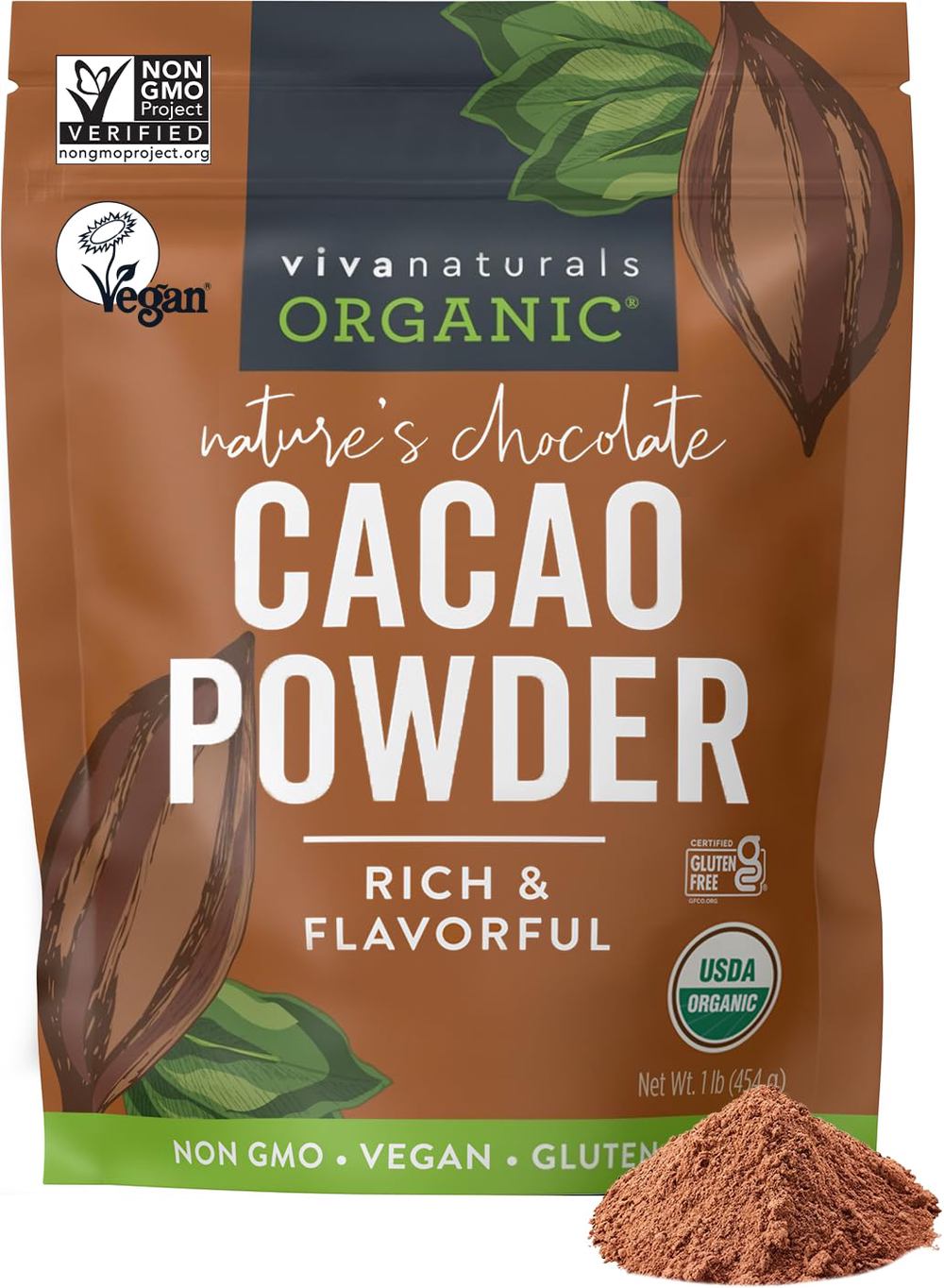
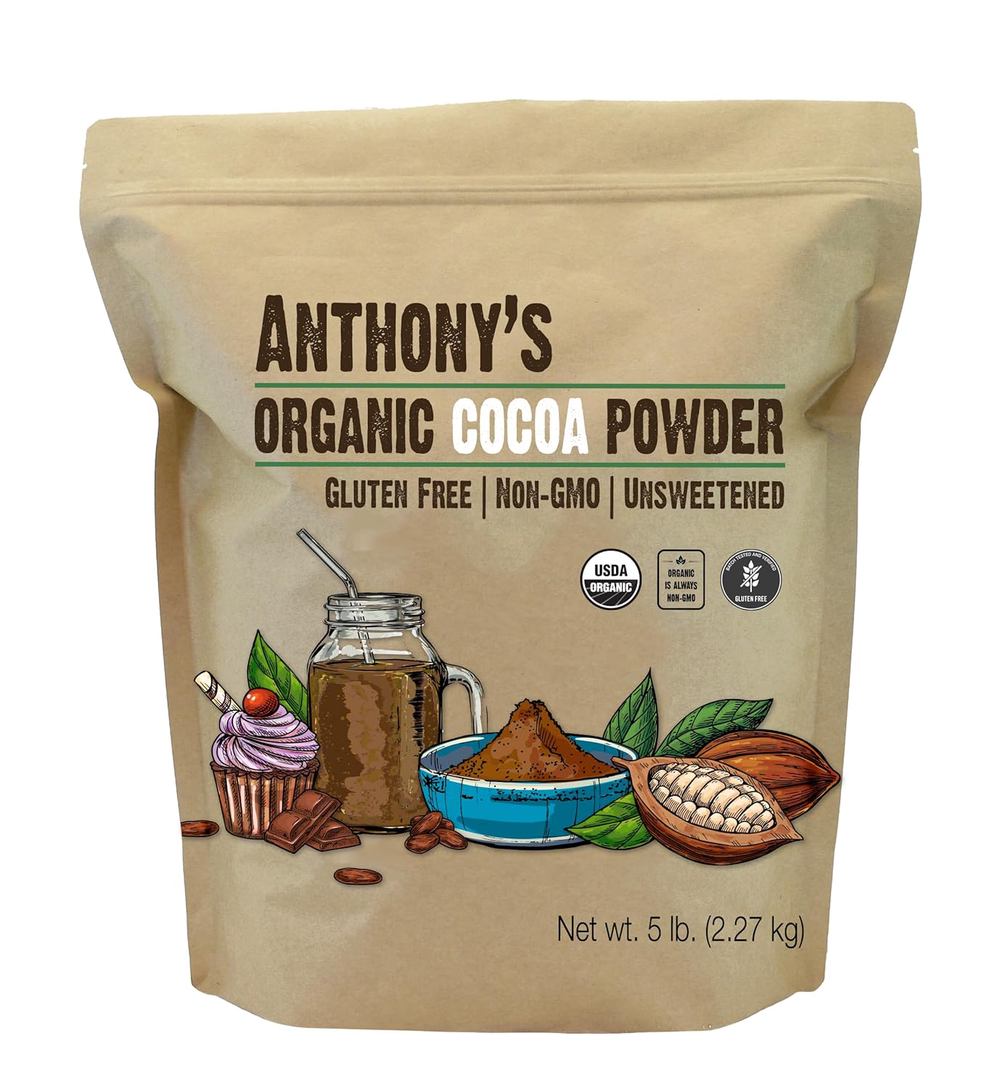
The critical detail is the cocoa content. A sugary, low-cocoa powder mix won’t offer the same potential benefits. Look for unsweetened cocoa powder or dark chocolate bars with 70% cocoa or higher to make your drink.
Integrating Drinks Into Your Mood Strategy
Viewing these drinks as tools means using them intentionally. A morning cup of green tea might set the tone for focused calm. A small serving of kefir could be part of a daily gut-health habit. An evening cup of dark cocoa might serve as a caffeine-free, comforting ritual to signal the end of the day.
Remember, hydration itself is foundational for mood. Even mild dehydration can lead to fatigue, difficulty concentrating, and irritability. Plain water should always be your primary beverage. These three options are best considered as occasional, mindful additions—ways to add both potential physiological benefits and simple moments of pleasure to your routine.
If you are navigating significant mood challenges, these beverages are not a treatment. They are one small piece of a much larger puzzle that should include professional guidance, social connection, proper nutrition, sleep, and movement. But sometimes, small, consistent, and pleasurable habits can help us feel more anchored and nourished as we manage our overall well-being.