When stress feels like a constant companion, what you choose to drink can be a simple, tangible way to offer your nervous system some support. While no beverage is a magic cure, certain drinks contain compounds that can promote a sense of calm, while others might subtly amplify anxiety. We spoke with dietitians to understand which sips can help soothe stress and which ones you might want to approach with caution.
The connection between what we consume and how we feel is well-established. Hydration alone plays a critical role in cognitive function and mood regulation. Beyond water, specific herbs and nutrients interact with our body's stress-response systems, helping to moderate the production of stress hormones like cortisol. The goal isn't to numb feelings but to provide nutritional support that helps your body and mind find a more grounded state.
What makes a drink "stress-soothing"?
Stress-soothing drinks typically work in a few key ways. Some contain amino acids like L-theanine, which promotes relaxation without drowsiness. Others feature adaptogenic herbs, which may help the body adapt to stress, or magnesium, a mineral crucial for nerve function that is often depleted during stressful times. The warmth and ritual of preparing a calming drink can also be a mindful pause in itself, creating a moment of quiet that disrupts the cycle of anxious thoughts.
The ritual of preparing a warm, calming drink forces a pause, turning a simple act of consumption into a moment of mindful self-care.
Three drinks dietitians recommend for stress
Here are three beverages that consistently come up in conversations with nutrition professionals for their potential to ease tension and promote relaxation.
1. Chamomile Tea
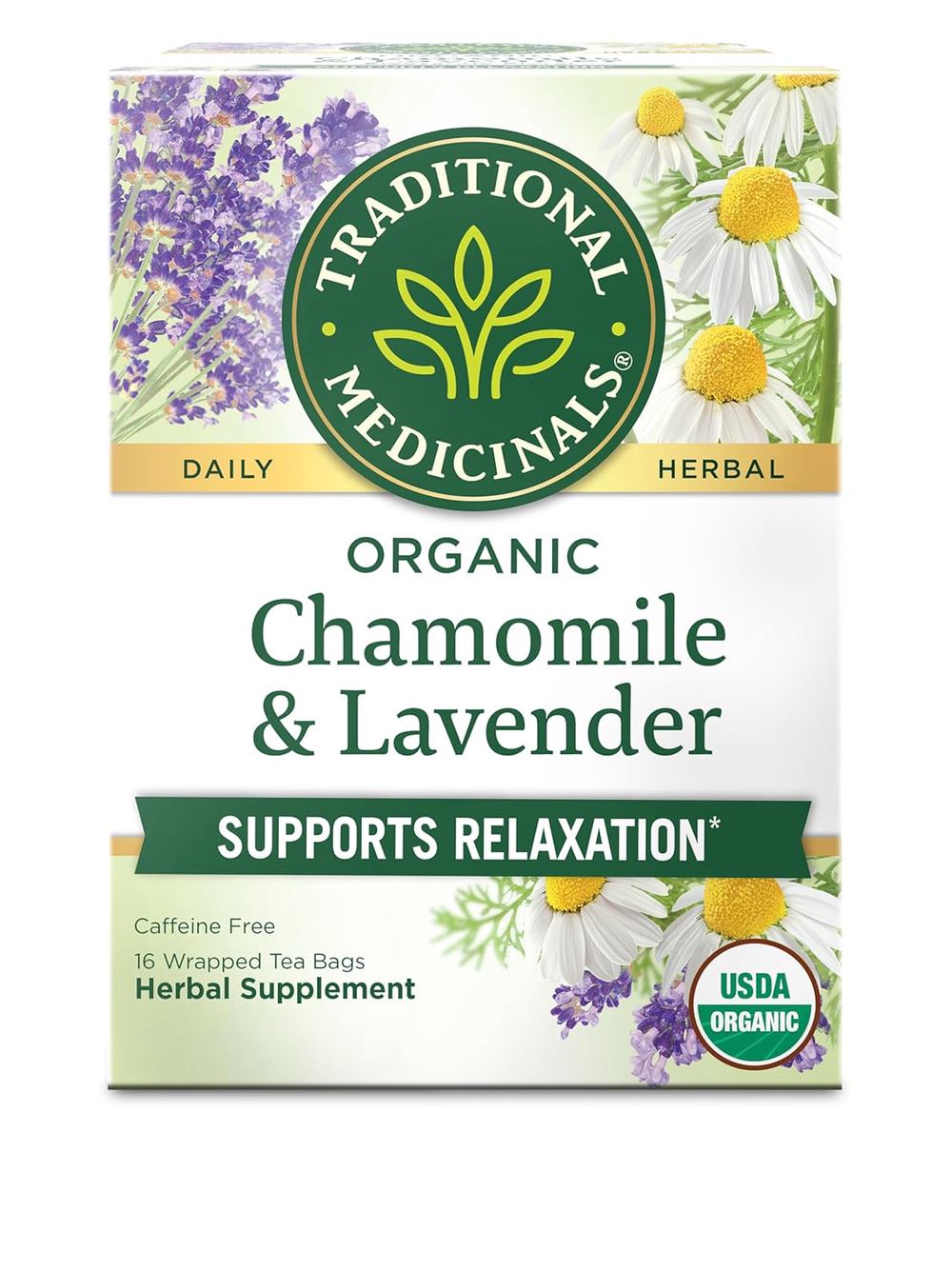
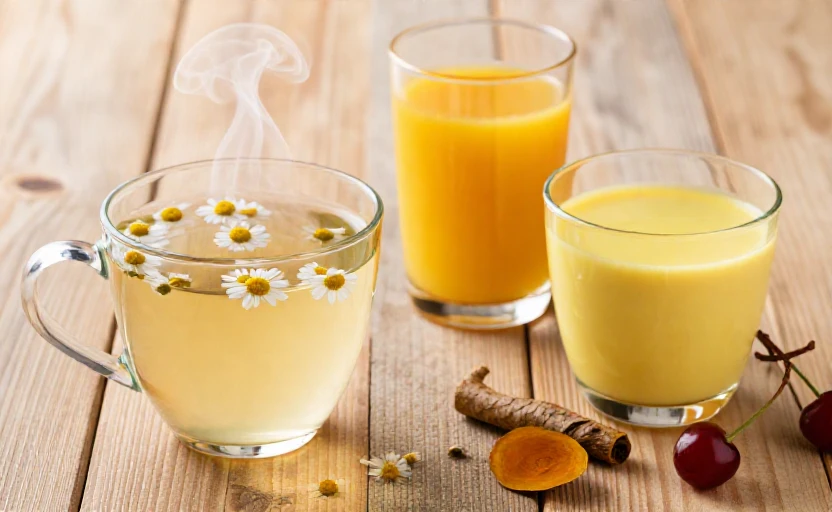
This classic herbal tea is a go-to for a reason. Chamomile contains apigenin, an antioxidant that binds to certain receptors in your brain that may help reduce anxiety and initiate sleep. It’s not a sedative, but rather a gentle relaxant. Think of it as a signal to your body that it’s time to wind down. A warm cup in the evening can be a powerful cue to transition from the busyness of the day into a more restful state.
2. Tart Cherry Juice (Unsweetened)
While often noted for sleep support, tart cherry juice's benefits extend to stress. It’s a natural source of melatonin, the hormone that regulates sleep-wake cycles, and contains anti-inflammatory compounds. Since stress and poor sleep create a vicious cycle, supporting sleep quality indirectly helps manage stress. Opt for an unsweetened, 100% juice version and consider a small glass in the evening rather than drinking it throughout the day.
3. Warm Milk with a Pinch of Turmeric
This combines two supportive elements. Warm milk provides tryptophan, an amino acid involved in serotonin production. The fat in whole milk can aid in the absorption of turmeric’s active compound, curcumin, which has been studied for its anti-inflammatory and potential mood-modulating properties. The warmth is inherently comforting. For a dairy-free version, try almond or oat milk warmed gently with a dash of turmeric, black pepper (to enhance curcumin absorption), and a hint of cinnamon.
What to avoid when you're feeling stressed
Just as some drinks can support calm, others can undermine it. Being mindful of these can be just as important as reaching for the helpful ones.
High-Sugar Energy Drinks and Sodas: The massive spike and subsequent crash in blood sugar can mimic feelings of anxiety—jitteriness followed by fatigue and irritability. This physical rollercoaster makes it harder for your body to find equilibrium.
Excessive Caffeine: While a morning coffee is fine for many, overdoing caffeine (from coffee, strong black tea, or pre-workout drinks) can increase heart rate, trigger jitters, and even induce panic-like symptoms in sensitive individuals. It also can interfere with sleep, setting you up for a more stressful tomorrow.
Alcohol: It’s a common but flawed coping mechanism. Alcohol is a depressant that may initially take the edge off, but it disrupts sleep architecture and can increase anxiety as it wears off—a phenomenon often called "hangxiety." Relying on it regularly to unwind can create a dependency that worsens overall stress.
Building a stress-supportive routine
Incorporating these drinks isn't about strict rules, but about creating supportive habits. You might start your day with a large glass of water to rehydrate, enjoy your coffee mindfully in the morning, and then switch to herbal teas like chamomile or lemon balm in the afternoon. An evening ritual could be a cup of tart cherry juice or golden milk. Listen to your body; the drink that feels calming to one person might not resonate with another. The key is intentionality—using these moments of consumption as opportunities to check in with yourself and offer a small gesture of care.
Remember, these beverages are tools within a larger framework of stress management that includes nutrition, movement, sleep, and social connection. If stress feels overwhelming or unmanageable, reaching out to a mental health professional is the most important step you can take.